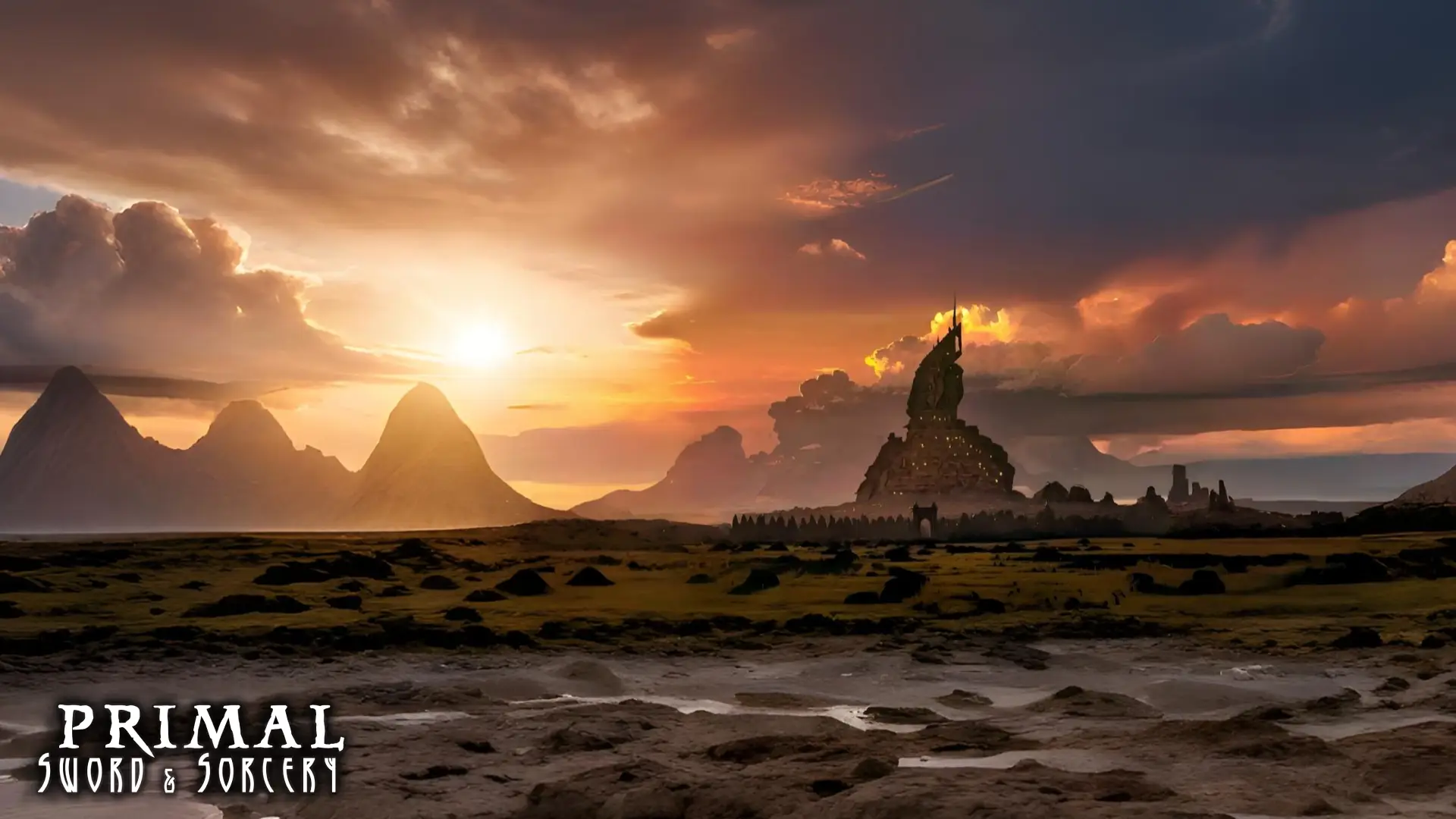
Tymere stands as a land that mistakes endurance for stability. It was never broken as Vulsa was, nor cursed as Roedonbecame—its wounds were not cataclysmic, but septic. The earthquakes still come, rattling the ground with a kind of weary persistence, but they no longer shape the land as much as they remind its people that the gods once cared enough to strike it. The true rot lies not beneath the soil, but within its courts and coin houses. Tymere has been rich for too long without ever learning how to be wise. It is a nation of inheritance without understanding, of empires that have forgotten the weight of conquest, content to measure their worth in gold rather than glory.
On the surface, it gleams, a realm of silken trade routes, perfumed courts, and narrow marble streets that lead to terraces overlooking endless green. It boasts wealth, art, and armories of fine steel, but this splendor is false light glinting off stagnant water. The money moves in circles, enriching the same dozen houses that own the land, the roads, and the very right to move between them. A traveler is taxed for breathing the air too long in one duchy, fined for crossing into another without the proper sigil. Corruption is no longer a crime—it is the bloodstream of the realm.
The northern lands of Tymere are breathtaking, if one can see them through the mists. Towering forests, steep mountains with ribbons of mist flowing through their ravines, and rivers that gleam like molten silver beneath the sun.
These are lands where the air still feels holy, where the soil hums faintly with old magic. Villages cling to the roots of cliffs, and shepherds speak of spirits in the rain that whisper of better times. But this beauty is cut by fear—the law ends where the road fades, and the road always fades sooner than one expects.
The cities are another matter entirely: decadent, cruel, and self-absorbed. Great stone citadels overlook sprawling slums, and within their walls, courtiers trade assassination for affection, bribes for titles, flesh for privilege. The noble houses—bloated and interbred—pretend at unity when a foreign ambassador visits, but tear at one another’s throats the moment his ship leaves the harbor. They plot endlessly—against each other, against Vulsa, even against their own kin.
Tymere’s hatred of Vulsa is old and bitter. To the Tumerians, the wolves of the north represent everything they fear: discipline, faith, and strength unbent by gold. They will never admit it, but they dread Vulsa’s shadow. They see in the wolves what they once were, before decadence set in, before their borders became lines of taxation instead of defense.
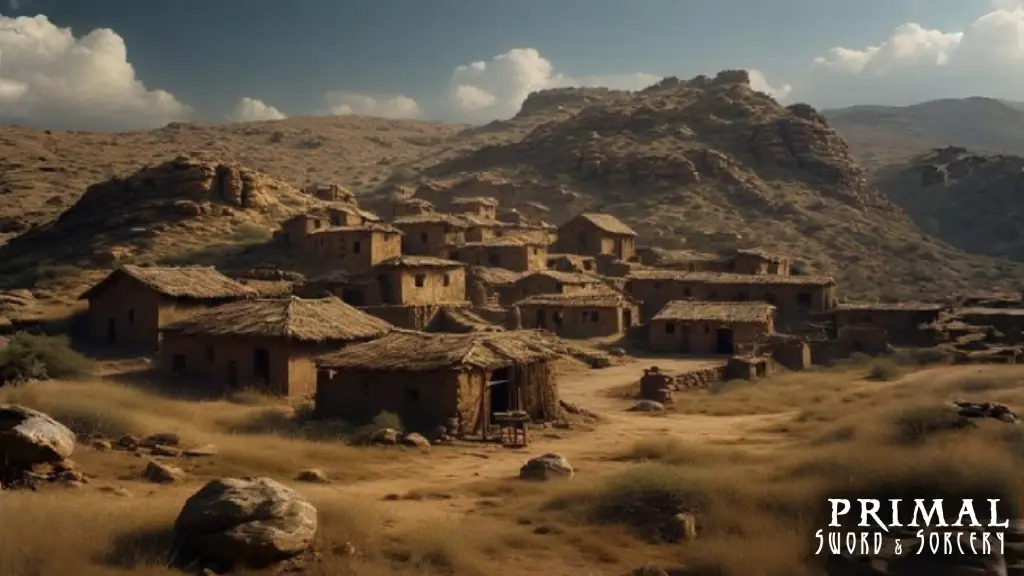
Beyond the gilded cities lie the rural stretches—villages of wood and mud, more loyal to their local strongmen than to any crown. Farmers till poisoned soil near the southern edges, where volcanic breath still seeps from the wounds of the earth. The skies there are copper-red, and the nights smell of sulfur. These southern coasts bear eerie resemblance to the ruined continents beyond the sea—Drael’s broken sisterlands, where glassy plains of ash still shimmer from ages-old fire.
In Tymere’s heart, however, the people still live as if nothing is wrong. They feast, they fuck, they bribe, they sing. They build statues of themselves and call it civilization. Yet the dogs of war gather on their borders—Vulsan scouts in the mountains, Roedan raiders watching the trade roads, even the mercenaries within their own cities waiting for a chance to carve out kingdoms of their own. Tymere stands not as a dying empire, but as a drunk one—laughing, staggering, unaware of the cliff’s edge behind its laughter.
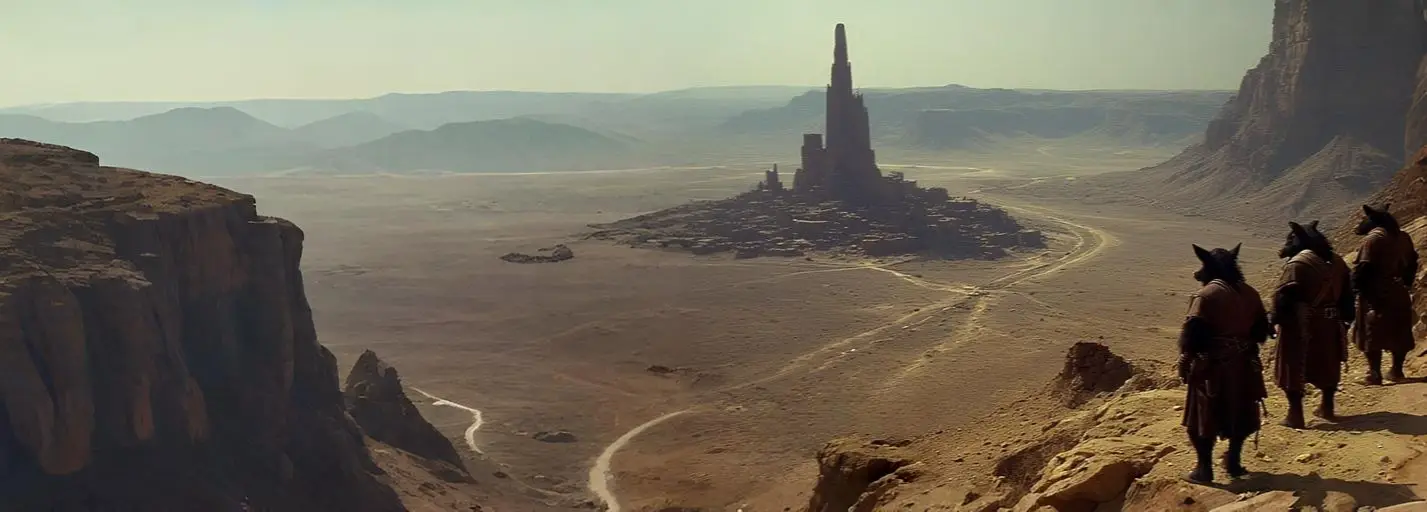
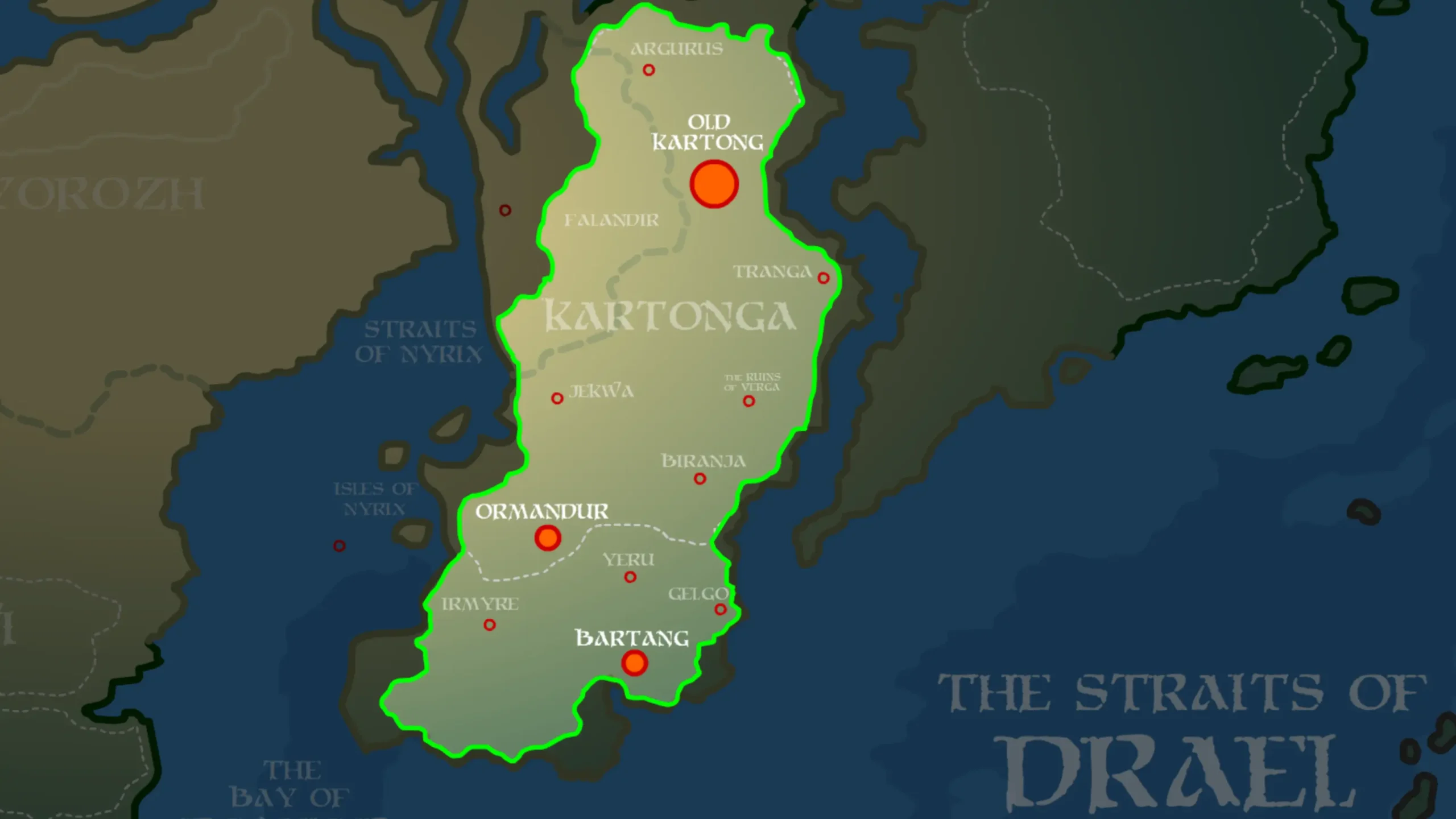
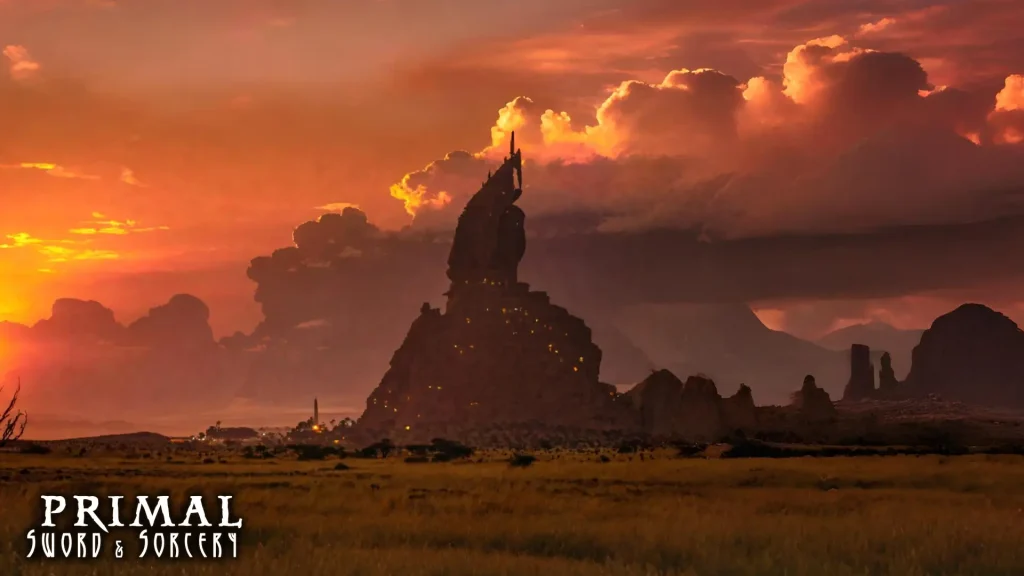
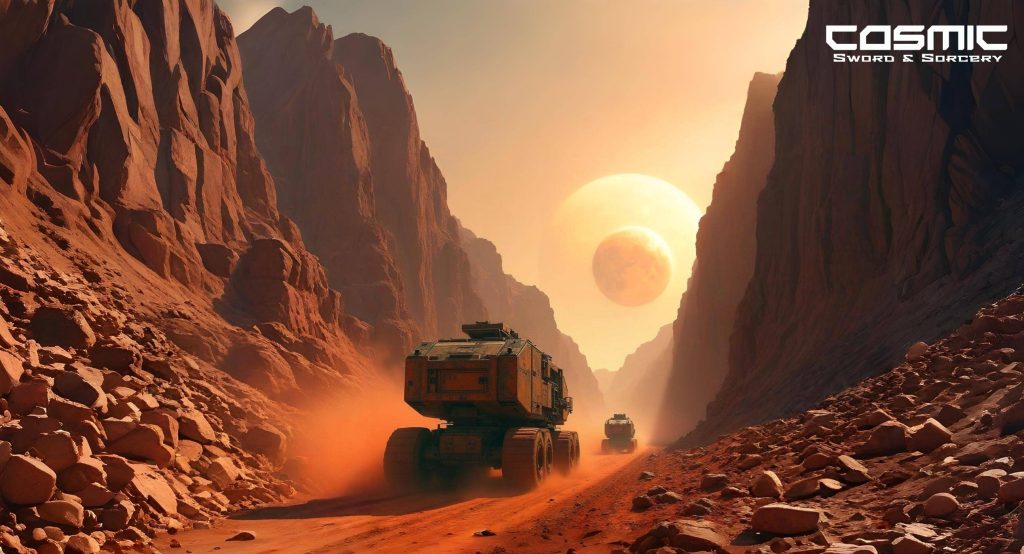
The Kartonga is a wound within Zhuru, a land so dry and desolate it rivals the worst of the world’s deserts. The ground is scarred with craters, the sky forever hazed with dust. At its heart looms Old Kartong, the spire-city, a jagged fang of stone carved into impossible angles. No one agrees whether it was built or grown, whether it belonged to beasts, reptiles, or something that came before them all. Some whisper of the insect races—the pre-mammalian lords of a hellish epoch, long vanished yet never truly dead. The spire is not ruin but scar, proof that something vast and wrong once ruled the continent.
The Kartonga is not a kingdom but a midden. Outcasts and refuse from every other nation crawl here when all else has failed them. Thieves, mercenaries, warlords, and heretics congregate amid its shattered craters. Loose alliances form and dissolve in blood, for nothing is sacred, and betrayal is the only constant. Here there is no culture beyond survival. Honor is a lie, loyalty a fleeting bargain. Outsiders enter Kartonga at their peril, for here even the idea of law is mocked, drowned in skullduggery and backstabbing.
Where civilization collapsed, barbarism flooded in. Folk learned to raid and kill for grain, to trade in flesh and steel, to build power out of violence and hunger. Wolves became mercenaries, equine tribes turned fertility and milk into contract and leverage. Lion kingdoms rose and fell, always hungry, always reaching for what could not be kept. The den-cities of Vulsa and Roedon are monuments to collapse, law and pride standing only as long as the next disaster allows.
The Cataclysm’s legacy is a living wound. The crust of Vandyrus is riddled with voids, rifts, and buried collapse. Valleys fall away in a night; seas vanish into cracks; entire cultures disappear when the ground betrays them. No one trusts the ground, the sky, or even the promise of peace. Superstition grows out of soil that devours the dead—and sometimes the living.
The present is an age of desperate alliances, petty kingdoms, and doomed banners waving over future sinkholes. This constant ruin has shaped Vandyrus into a world of the haunted and the hungry. To be born here is to expect collapse, to risk everything and trust nothing.
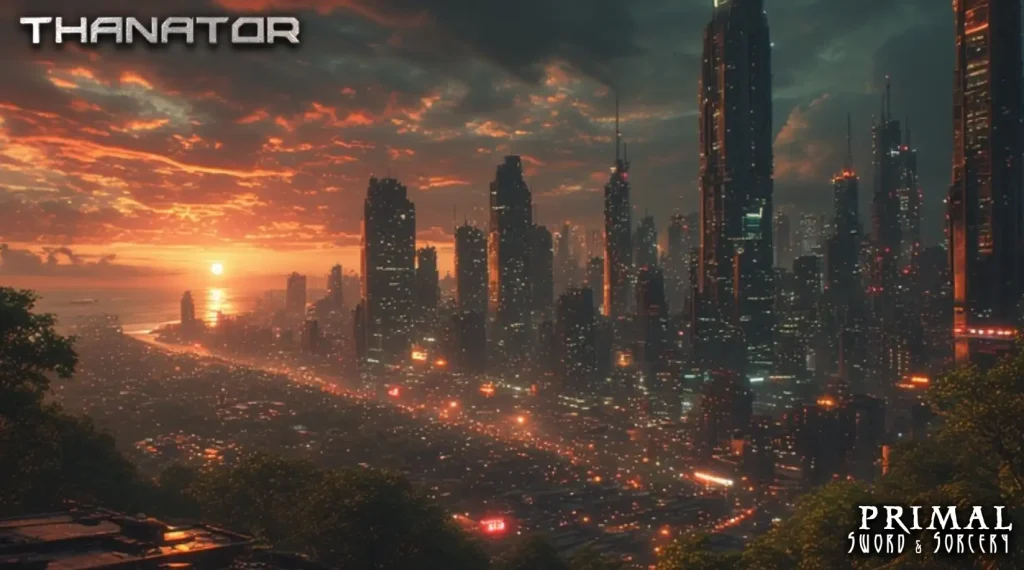
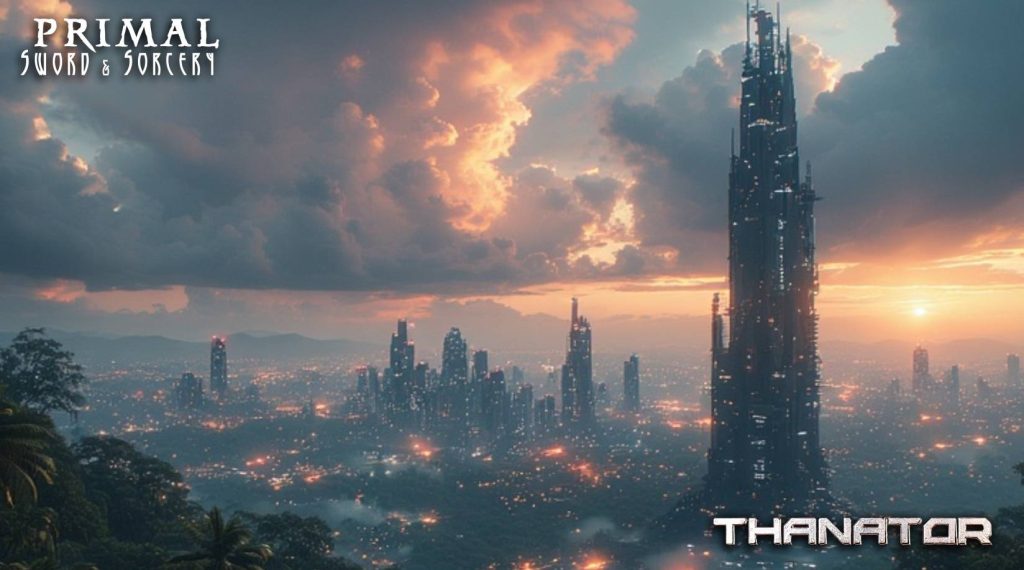
Yet even in the ruins, not all is decay. The old slaver gates, impossible artifacts, still link Vandyrus and Thanator—arteries pumping misery, trade, and ambition between two dying worlds. Raiders, slaves, exiles, and cults pass through them still, shaping the little that remains. Vandyrus endures—not because it remembers, but because it refuses to be erased. Cultures rise from necessity; folk define themselves by survival in the face of extinction, knowing the next age may be the last. History here is a tapestry of gaps, a string of endings dressed up as legacy.
Vandyrus will never match Thanator for splendor, ambition, or mythic pride. What it has instead is stubbornness, a grim pleasure in surviving every collapse. Its only gift from the Cataclysm is unending ruin: a world that never finishes dying, that never forgets how to bleed, and that grants peace only in the silence that follows its latest fall.
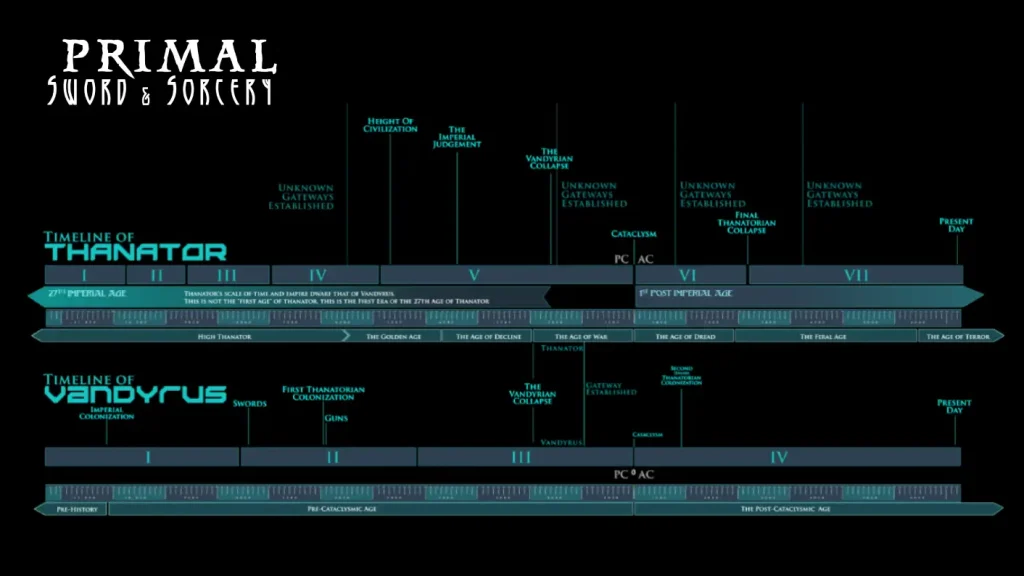
Vol 1: The Post Civilization Age Vol 2: The Reign of Dread Vol 3: The Fall Into History Vol 4: Darkness of The Long Decline Vol 5: Coming of A Feral Age
Vol 1: Dawn of the Age of Terror Vol 2: The Nightmare of Civilization Vol 3: Lost Empire Vol 4: Misty Tales & Lost Cycles Vol 5: The Jungle Moon of Terror
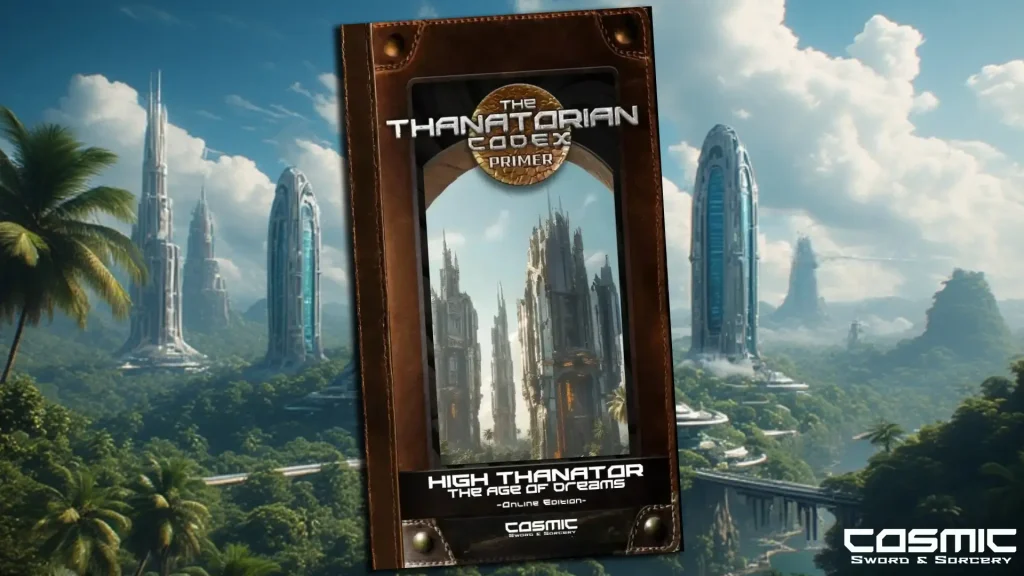
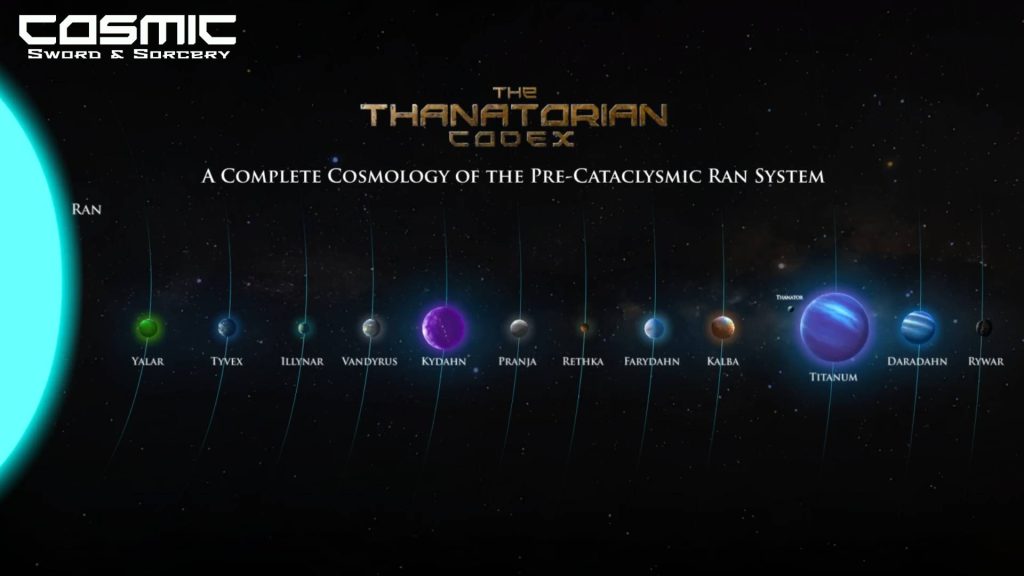
“The Thanatorian Codex is the deepest, oldest, and most ambitious body of work in the Codex archives. Where The Vandyrian Codex is structured around a single cataclysm and its aftermath, Thanator spans epochs—vast stretches of rise, decay, extinction, and reinvention that dwarf later eras in scale and consequence. This is not a refinement of earlier work but its foundation: a setting with more layers, longer memory, and heavier ruins, written to support generations of stories rather than a single campaign arc.
Like all Codex material, Thanator is not a product to be consumed but a world to be taken apart. It exists to give creators unrestricted ground—free of paywalls, licenses, or copyright traps—on which to build, contradict, or obliterate what is written here. Nothing is precious. Nothing is locked. This is a civilizational engine, not a canon prison, offered in full so that your work may outgrow ours.”
“East of Kartonga, the so-called border with Varduun is a fiction, an absence of warning, law, or meaningful transition. The Kartongan wastes, for all their hazards; swaggering slavers, bravos with naked steel, the constant commerce of suffering, are still lands of barter and bravado, ruled by appetite but anchored in something resembling a code. Varduun is the antithesis. There is no frontier, no fort, no marker or ancient stone to signal entry into the Hyena Lands. One stumbles across, or is taken across, and the realization comes too late: all rules, even those of predation, become unreliable.
In the wastes, a lion may keep his sword sharp, his mind keener, and negotiate his way out of trouble or into power, but these old games die in Varduun. The hyenas eat everything—body, mind, and custom. Some bands are slavers, trading wretched lives to whatever kingdom or caravan will pay; others are feral packs, utterly mad, snapping up even their own kin. Some are simply monstrous: sick with parasites, flesh warped, drooling, cackling, and yet keen enough to sense the scent of an outsider, to know how to bait and break a traveler. There is no shortage of fresh horrors in Varduun. Hyenas rut and feast without conscience or law, their alliances shifting, their minds as fractured as their bodies. Nothing survives long that is not hyena, and even that is no certainty.
The catastrophe is not just ecological but spiritual. No one warns you. No post stands, no trader utters a caution, no scent changes in the wind. The hyenas know, and they wait. Kartonga knows, and does not care. For any lion, indeed, for any outsider, caught on hyena ground, there is only one wisdom: stay armed, keep poison handy, and pray you are never taken alive. To fall into their claws is to be remade as prey, as plaything, or simply as meat for the next sunrise. The only paradise east of the wastes is the one you do not enter, and the only warning is that there are no warnings at all.”
—Travel in the Kartonga
The fire was coaxed low, a red eye half-lidded with ash. Beyond it, the Zheru grasslands stretched in shadow—not yet the hyena city-states, but closer than lions liked to be. The jungle beyond listened. The jungle always listened.
Tull groaned, body tensing as he emptied himself into the warmth of a most willing lioness. She arched beneath him, coins clattering in her braids, mouth parted in a voiceless cry. For a long heartbeat, the fire’s breath seemed to rise with his, the whole clearing pulsing in rhythm, until he rolled off with a satisfied grunt. His seed trickled down her thigh, catching the glow. She laughed low in her throat—smug, satisfied, a queen paid in full.
Next to them, a second lioness sprawled on her side, bosom heavy, paw stroking lazily across her companion’s belly, as if to remind her: the bargain had been honored.
Tull lay between them, chest heaving, mane damp with sweat, the perfume of both females clinging to him like incense. He wore no coins. He wore the night and a grin, softened by fatigue.
The first lioness crawled slow between his thighs and lapped the trickling seed from his shaft, wrapping her lips around his girth and sucking, unwilling to waste a drop.
They were lionesses of the Southern courts—vast pale-gold manes braided with stones and coin, chiming as they moved. Their hides glistened with oil. Their breasts rose and fell in smug unison. They were idols, poured and polished—and tonight, they sprawled victorious beside the barbarian who had carried them here.
The wineskin drifted across his chest. One queen drank, lips wet, then tipped it to her sister, who swallowed and let the kohl at her lashes smudge into a wicked frame. They giggled softly, careless, too full of themselves to hear the silence pressing close beyond the fire.
“We bought well,” murmured the queen with the heavier braids. She smoothed her companion’s mane and kissed it into place. “Do you feel it? How the world grows smaller when a strong male sleeps in reach?”
Her companion, curvier, bit her lip and glanced toward the dark where grass met trees. “I heard hyenas. They follow laughter.”
“Hyenas always call,” the first said, still slurping greedily at his post-coital dripping. “They call for scraps. We are not scraps.”
Tull chuckled without opening his eyes. His broad hand slid across a waist and stayed there—heavy, warding. “No pack dares my camp,” he said, voice blurred with fatigue and pride. “Ask the vultures at the river raid.”
The fretful queen shivered but stayed close, tracing the scars across his ribs as if they might answer for her.
Coins were tangled in their manes, a few scattered across the pallet like bright seeds after the storm of their rutting. The queens purred, teasing one another with indulgent little touches. One stroked his balls absently, squeezing them with lazy ownership. The other leaned forward, mane spilling, and kissed his sack, while her sister suckled the head of his cock—tongue swirling with wet, playful greed that made him grunt even as he pretended to doze. They laughed and traded places, taking turns like it was a game.
“Tomorrow,” the fretful one murmured, lifting her head long enough to break the spell. “We’ll be on the road. If we’re quiet, the jungle will forget us.”
Tull cracked one eye, then closed it again, smirking. “When we wake, you’ll forget shrines and remember gratitude. The road waits for a proper farewell.”
They both laughed, coins chiming, and bent back to him. One kissed his chest, bosom pressed against him, lips hungry. The other straddled him boldly—thighs slick, braids whispering—as she began to ride him with slow, teasing patience. Their giggles turned to purrs, to sighs, to the unhurried rhythm of females who had already taken what they wanted once and meant to take more.
A twig clicked once somewhere beyond the fire.
The fretful queen’s ear flicked, but her body betrayed her with a moan as Tull’s hands gripped her hips and pulled her down harder. The sound poured away like water into soil. She let herself be kissed back into silence.
Coins chimed in quieter voices, gossiping over the contest of queens competing for the same spoils. They kissed each other for the taste of what they had taken, pressed their breasts against his chest, laughed into his mouth, then bent lower again, sharing him without shame. They licked wine from each other’s lips, licked him as well, and let the night spin around their careless indulgence.
The deerskin creaked. Bangles rattled. The fire breathed in. The fire breathed out.
Tull rolled back atop the second queen and began to thrust again.
Wine circled again. Lips drank. Then lips drank from lips. They moved in long repeated shapes: breath, touch, hush; breath, touch, hush.
At last the fretful one softened, her vigilance melting into something gentler. She studied Tull’s face—the tiredness at the corners of his eyes, the stubborn humor tugging at his mouth, the shadow of wounds twitching across his brow. She smoothed his mane with the reverence of a priest anointing a victor.
“Bought well,” she whispered, not to be heard.
Somewhere beyond, something padded with the care that makes no sound at all. A bough sighed. The listening changed tone, the way a hall does when a hidden door swings open.
Court-taught queens obeyed their lessons: ignore what does not announce itself. They let their eyes close—smug and sated.
Tull’s hand sagged across a waist, twitching once near the blade within reach. He was warm. He was tired. He had been fed with wine, flattered with laughter, stroked by two perfumed females who had paid for his strength and taken their due twice over.
Even a wary male drinks stillness when it is offered.
He drank.
Coins settled. Wine breathed. The embers turned. The vines hung like banners without wind. The trunks stood like pillars without temple.
The jungle kept listening.
It is very good at that.
The fire was a carcass of embers when the queens stirred. Their braided manes clinked with the tired music of coins as they shifted, stretching against the furs, breasts heavy with the drowse of sleep. Pale light crept into the clearing in thin blades, painting the hides of the two lionesses as if carved from dusk-gold.
Between them lay Tull, bulk sprawled lazily, mane mussed, chest rising and falling with slow, ponderous rhythm. His warmth still anchored them to the belief that no harm could come while his shadow was theirs.
The first queen yawned, a regal cat, lashes heavy, and pressed her bosom against his chest. Her paw wandered down without thought, brushing the old familiar prize she expected to find. It was there. Her lips curved in smug satisfaction. She nudged her companion awake with a sly look: See? Even dawn bends to us.
The second groaned softly but obeyed, sliding closer, licking lazily at Tull’s chest before her hand joined the first’s. The air thickened with the sweet musk of their indulgence. They giggled, they kissed, whispering like conspirators about how gratitude must be shown once more before the day’s march.
Tull did not speak.
He was a brute of action, not chatter. His silence was power—the silence of a lion who knew the world quaked at his presence.
They caressed him regardless, murmuring court-teases, half-mocking, half-reverent. Their tongues trailed across his skin. Their ornaments rattled. Their hips shifted with the instinctive restlessness of females who knew that the body was both gift and weapon.
The first queen bent, her mane falling forward, lips brushing lower, trailing kisses like a worship path. She lingered—lips parting, braids swaying. Her black mouth gleamed against his pale heat. She hummed, pleased with her own craft.
The second watched, thighs pressing together, hunger stirring. The fire caught the moisture of her lips and made them shine. She shoved forward, eager, jealous, pressing her companion aside to taste what was hers by right of the bargain.
The first swatted at her shoulder in protest. Their laughter rose again, soft and shameless.
Then the second queen’s eyes flicked up. Just for a moment.
But something in his face made her breath hitch. The laughter froze raw in her throat.
She blinked, as if vision lied.
Dawn was cruel.
Her hand lingered on his chest, unsure.
The first queen looked up too—annoyed at first, then curious.
They saw it together.
The grin that had so charmed them was stiff now—a rictus stretched by rigor, lips parted in a soundless snarl. His mane was stiff with clotted dark. And jutting between his eyes—obscene as a crown—was the thick black shaft of a crossbow bolt, sunk so deep the fletching brushed his brow.
Their warmth curdled into ice.
The twitch they’d mistaken for virility was just death jerking the last nerves of a carcass.
The first queen gagged, falling back, braids jangling like funeral bells. The second screamed, hands clawing at her thighs as though she could scrape away what she had just touched—what she had just tasted.
The corpse lay between them, obscene in its false life, chest still rising on trapped air, cock still iron with the blind stubbornness of death’s last grip.
The jungle, which had listened all night, laughed back.
Figures stood at the edge of the firelight—hyenas, lean and painted with war ash. Their yellow eyes gleamed with hunger, with sport. Their teeth shone as they grinned. Their chuckles echoed across the clearing—mocking, triumphant.
The queens shrieked, manes whipping as they scrambled from the pallet—naked, dripping.
Their coins and ornaments were no armor now, only bright markers for the hunt.
They fled into the wastes, bosoms and rumps jiggling with panic.
Behind them, the hyenas followed laughing, knowing full well:
The Following Terms are of Vandyrus and its greater connected strata and may be useful to understand certain documents, passages or even common phrases:
Ereth – An obscure and rather archaic Vandyrian word, Meaning something akin to existential essence or a “greater foundational spiritual purpose“, such as in The Ro’Edyne Cycle’s:
“weaving new blood into Roedon’s ereth”
Grundy – Slang: Meaning something fundamentally true on a gut level even if aetheric or elusive:
“Physics, for all it’s mad witchcraft be the grudy basics of natural order.”
Wrathian – Describing institutional cultural cruelty:
“Don’t get caught, lest ye’ find yerself mired in Wrathian tortures!“
Perforated – Common slang for being shot with a rifle or a smaller slug leaving a hole:
“Ka’s blood! Damn raven sniper near got me perforated!”
Boogy – Bad Loot; The opposite of booty or ‘good/worthwhile Loot’. Often meant to describe junk or folly filler:
You’ve got nothin’ to gamble with, mere scrap & boogy!”
Sko’Gore – An engine that burns composited waste through alchemical means:
“Aye! We have a chassis, just need guns and a mean Sko’gore”
Ul’Dyne – Very ancient, Pre-civilizational, pre-historic:
“Amidst the sparse and ul’dyne spires of the Kartongan wastes”
Alchetanger – A sealed glass tank with a metal cap, often kept in vaults of shrines:
The North of Vulsa, looking out over the Fangs of the North
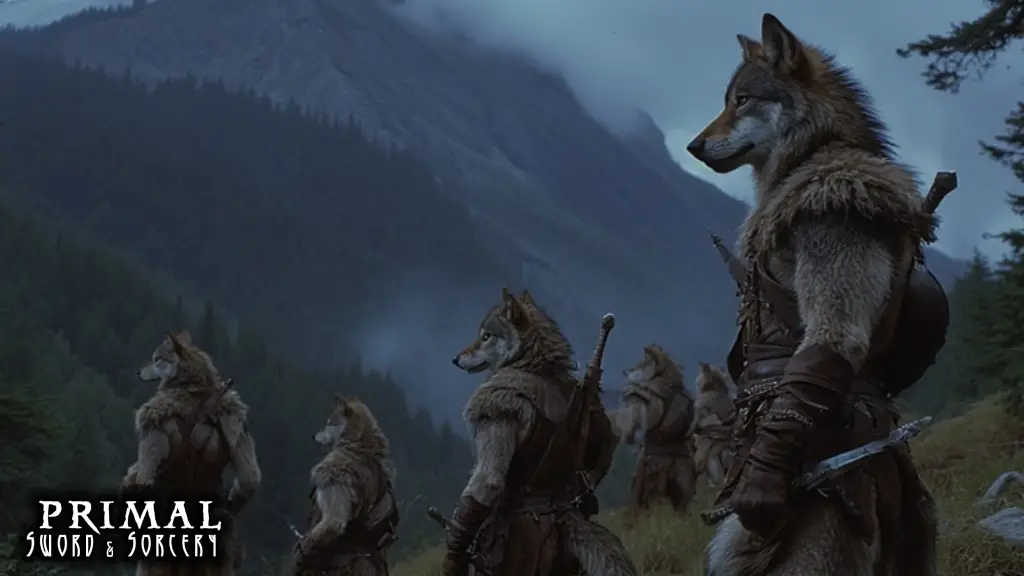
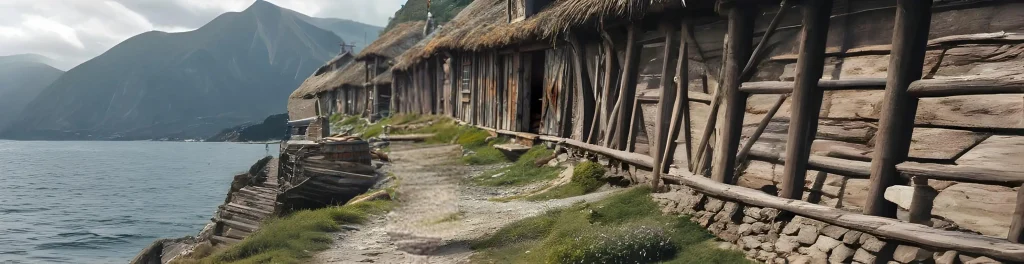
Vulsa lies in the east of Vandyrus, a continent of black rock and silver snow, where the mountains seem to breathe fire beneath the ice. It is vast, its northern crown large enough to swallow whole nations. High above the laws of civilization stretch the Fangs of the North, serrated, ice-sharpened ridges that divide the continent’s ruined core from its more habitable south. The ascent through those peaks is lethal. The wind cuts skin like knives, avalanches roar without warning, and the air itself freezes the blood. Wolves dwell in those highlands, taciturn, self-contained, but not cruel, and the few who cross the passes into their domain seldom return unchanged.
The Ruination of the Central Kingdoms is the stuff of Dark Legend
Below the Fangs lies central Vulsa , a land forever broken. When the world buckled in the Cataclysm, its heart was torn open, and the scars never closed. Whole ranges sank, rivers changed direction. What was once a broad interior now sinks by degrees into frozen black marshes, fissures of ice, and deep, killing snows where the remnants of old kingdoms drown a little more each year. Villages drift southward on rafts of half-frozen mud, while ruined keeps stand like teeth above the mire. Even the wind moves slowly, heavy with ash and memory.
The nations of the Southern Kingdoms are by no means warm, Snow is replaced with driving rain, Endless cold by infinite grey and Frostbite with rot & rust
South of the wastelands, the land softens into the civilized forges of Volsa, its snow giving way to black volcanic soil and the strange, shimmering craft of the Vulsan smiths.
Here stands the last light of their civilization. The continent’s interior remains wild, much of it unmapped. Ancient craters from the Cataclysm pock the landscape, many believed to be sites where skymetal once fell. Settlements cling to trade rivers or to the smoldering forges themselves, leaving vast tracts of wilderness where only wolves, spirits, and scavenger bands roam. Culturally, Vulsa sits between ruin and revelation. It is a land that remembers the gods’ wars in its ore and carries both the genius and the madness of creation in its veins.
To outsiders, it is a kingdom of cold mercenaries and unbreakable metal. To those born beneath its ash-stained skies, it remains the crucible of the world, where craft and sorcery, memory and metal are one and the same.
Combined with Roedon and Tymere, the Kingdoms of Vulsa make up what the rest of Vandyrus refer to as the Triskelion nations.
A resurrection of bold, mythic storytelling across time and genre.
Sword & Sorcery, Sci-Fi, and Savage Worlds collide in reconstructed cycles of lost history and raw imagination.
Radial Lore exists because “pulp” is no longer an accurate word for what is being built here, either in practice or in intent. Pulp was a material condition before it was an aesthetic: cheap paper, rapid turnaround, disposable culture, and a brutal economy of attention. Writers operated under hard constraints—word counts, editorial mandates, market churn—and what is now remembered as pulp coherence was largely accidental, emerging over time through repetition, rivalry, and shared cultural pressure. To call Radial Lore “pulp” would be dishonest. It is not constrained by paper, shipping, rack space, or the economics of five-cent magazines, and it is not improvising blindly in the hope that meaning eventually accretes. It is being built deliberately, with tools pulp authors never had, toward ends they often only gestured at.
The need for a new name is structural, not cosmetic:
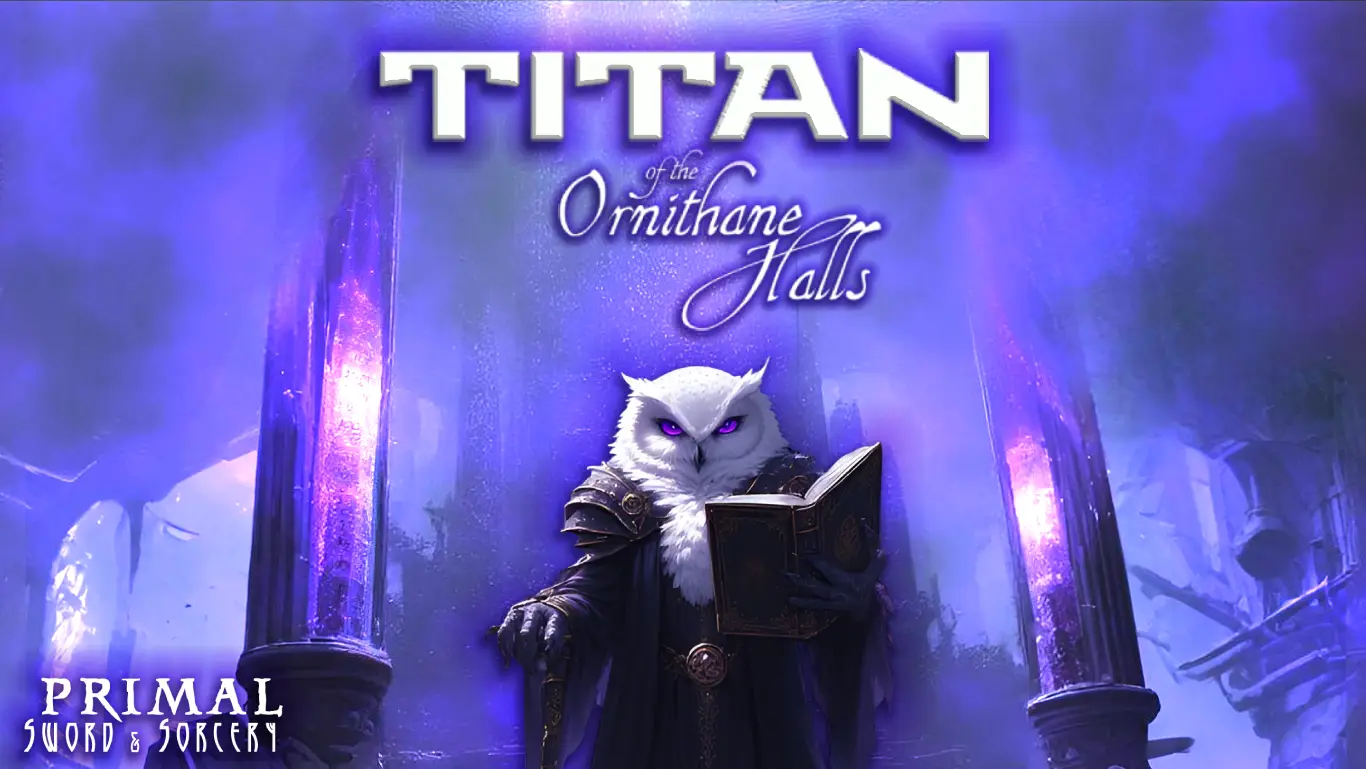
READ – Tales from the Ornithane Halls
“Pulp” implies ephemerality, linear consumption, and cultural disposability. Radial Lore implies architecture. It names a method rather than a genre: a way of constructing fiction that assumes longevity, cross-pollination, and re-entry. This is not an attempt to abandon pulp’s legacy, but to complete what pulp began and could not finish. Where pulp gestured at myth, Radial Lore engineers myth. Where pulp relied on accumulation, Radial Lore relies on design.
“Radial” is descriptive, not poetic fluff:
Radial Lore is organized around a central mythic engine—a shared cosmology, logic of power, and symbolic grammar—from which stories extend outward like spokes. These stories are not sequels in a chain and not entries in a closed series. They are nodes. Each stands on its own, yet gains additional meaning through proximity to others. A rumor in one text may be a foundational event in another. A footnote becomes a setting. A minor antagonist becomes a god, or a corpse. The straight line is rejected in favor of orbit, echo, and recurrence.
This is where Radial Lore most sharply diverges from historical pulp:
Pulp universes accreted; they were not designed. Continuity was often accidental, contradictory, and repaired retroactively by readers rather than authors. That chaos produced energy, but it also produced fragility. Radial Lore is planned—not through rigid outlines or locked canon, but through foundations laid first: geography, metaphysics, cultural logic, historical fault lines. Stories are written to stress those foundations, not overwrite them. Contradictions, when they exist, are diegetic—products of bias, propaganda, mythic distortion, or lost history—not editorial negligence.
Audio is not an adaptation layer in this system; it is a primary weapon:
Pulp was trapped in text because it had to be. Radial Lore has no such excuse. Every work is conceived with voice in mind: cadence, breath, rhythm, silence. Audio editions are parallel manifestations of the same material, capable of carrying authority, menace, or scale that prose alone cannot. Narration, sound design, and music function as lore-bearing elements. A spoken line can confer legitimacy. A recurring motif can operate like a sigil. This is the reclamation of myth’s oral dimension, something pulp could only approximate on the page.
The world itself is not a backdrop but a load-bearing structure:
Setting precedes plot. Cultures, economies, and belief systems exert pressure whether or not the narrative foregrounds them. This is why Radial Lore aligns naturally with magazine-style releases rather than monolithic novels. Magazines enforce density. They privilege fragments, codices, essays, side tales, and experimental forms. Each release is a cross-section, not a chapter, exposing different layers of the same underlying mass.
Radial Lore is neither nostalgic nor futurist. It is post-pulp:
It retains the excess, immediacy, and aesthetic violence that made pulp dangerous, while discarding the industrial limits that made it brittle. It replaces linear inheritance with radial expansion, disposable reading with revisitable structure, and solitary consumption with layered engagement across text, sound, and artifact. The goal is not to recreate a lost era, but to build something that could not have existed within it.
This system is not closed, and it is not precious:
Radial Lore is designed to expand over time, not only through official releases but through structured contribution. The Homebrew Gaming Initiative exists to allow others to write into the radial field without fracturing it: new nodes, cultures, and stories that obey the same foundational logic while stressing it in unfamiliar ways. This is not disposable fan fiction; it is participation inside a living mythos.
To support that expansion, Radial Lore includes internal guides:
Books within the various series that function as manuals on worldbuilding, tone, power structures, and myth construction. These texts teach the method as much as the material, explaining how coherence is maintained, how contradictions are handled, and how new elements can be introduced without collapse.
Not everything is meant to be surfaced cleanly:
Some texts are designed to be found. Hidden books and embedded artifacts—Jantaran Sapphires, Ornithane Scrolls, and others—serve as structural pressure points, revealing deeper strata of the world to those already inside it.
All of this prepares the ground for further forms, including modular TTRPG material. These modules do not treat the setting as static scenery but as a volatile system players can disrupt, exploit, or break. Expansion is not an afterthought in Radial Lore. It is the point.
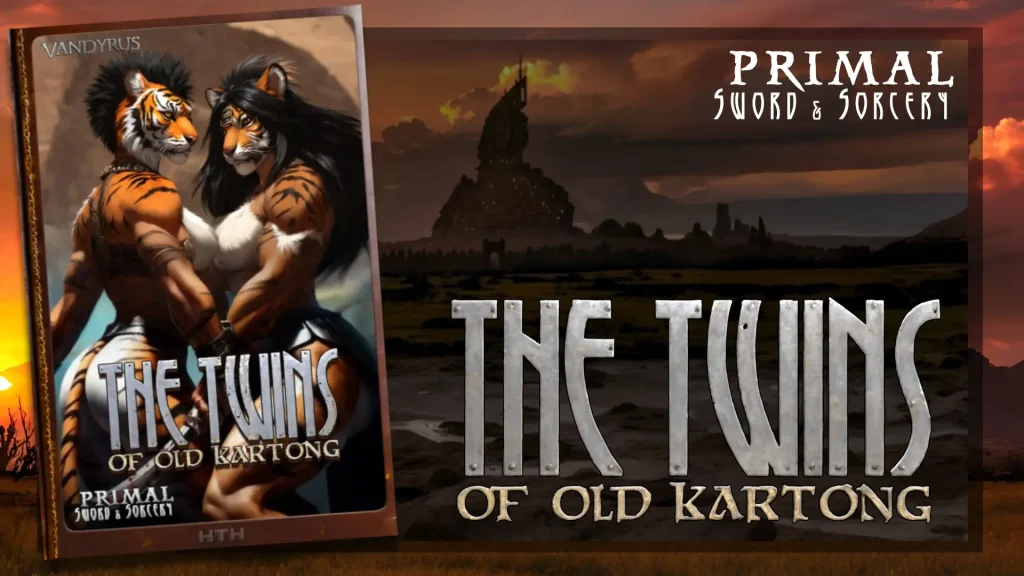
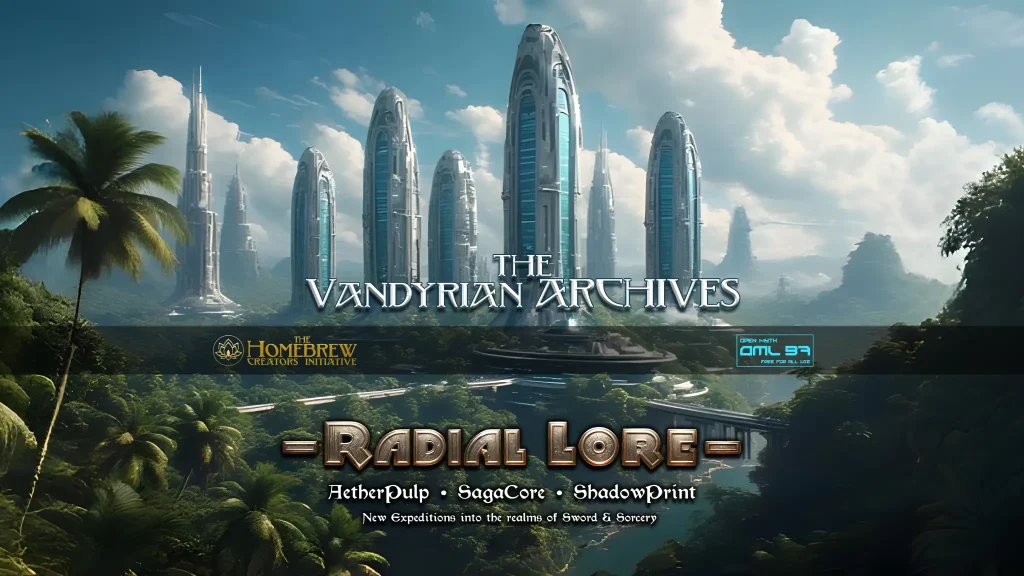
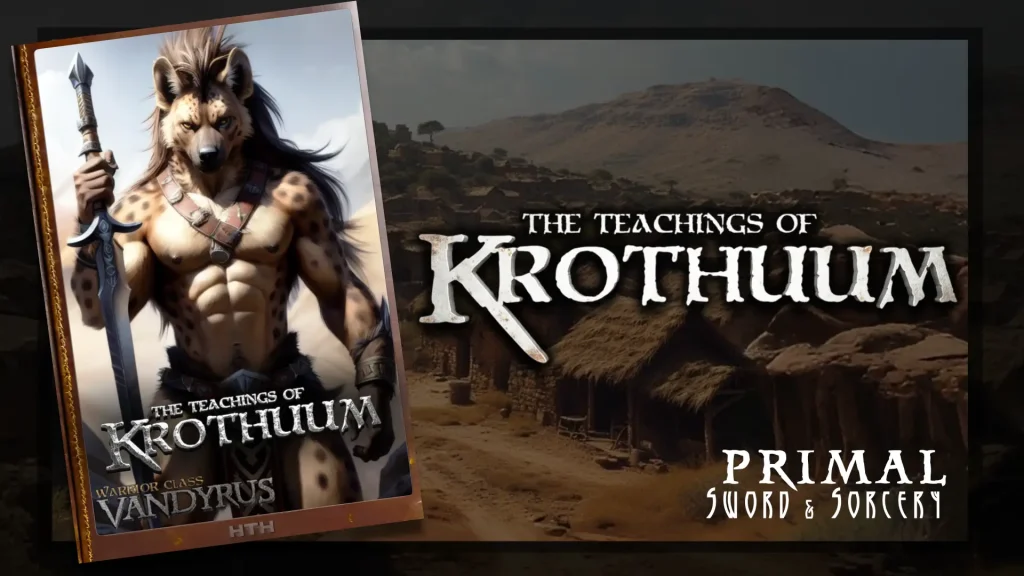
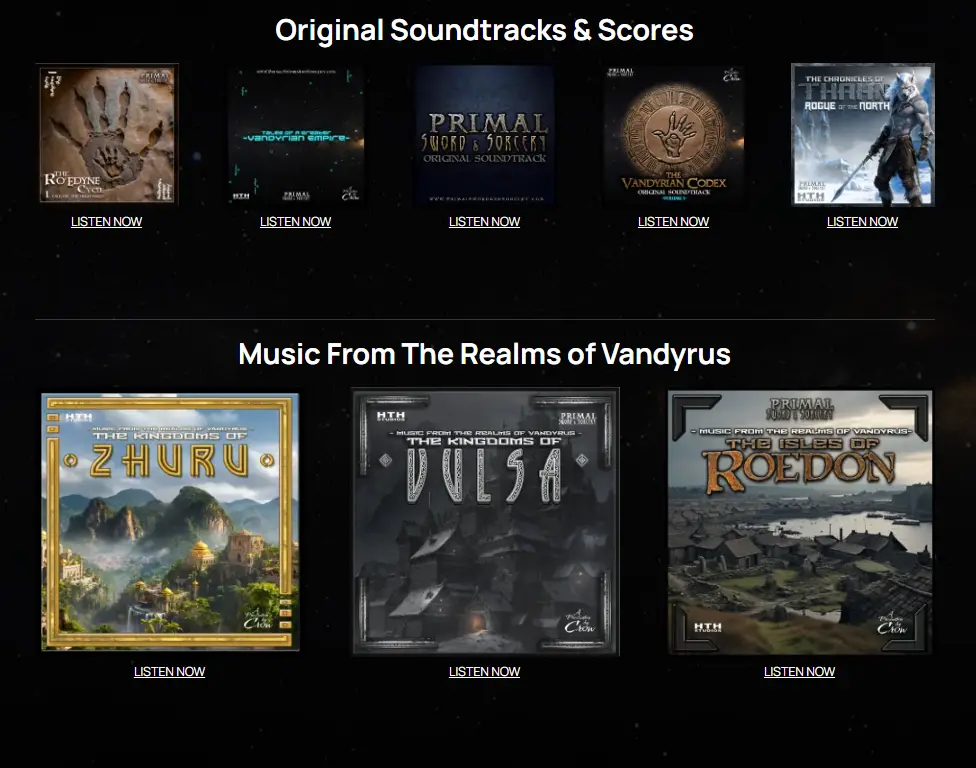
At present, The Vandyrian Codex—alongside other projects under the banner of Primal Sword & Sorcery—remains in active early development.
The Codex is a living archive. Its realms will expand, fracture, and deepen over time.
Each volume, whether written by calloused hand or ink-stained scholar, serves as a stone laid in the long road from myth to memory. Here, the passing of empires is recorded without flourish; the migrations, conflicts, bargains, and betrayals of peoples inscribed in forms meant to endure, not seduce.
These books are not the domain of poets, nor the refuge of folk legend. They are a reckoning—plainspoken, methodical, and relentlessly grounded in what endures after rumor fades.
is proud to present:
The Histories and accounts, myths and legends, Chronicles and logs of long lost misty tales in the oral, elder crystalline and high psychic tradition, All…..