

Secrets from the Sky
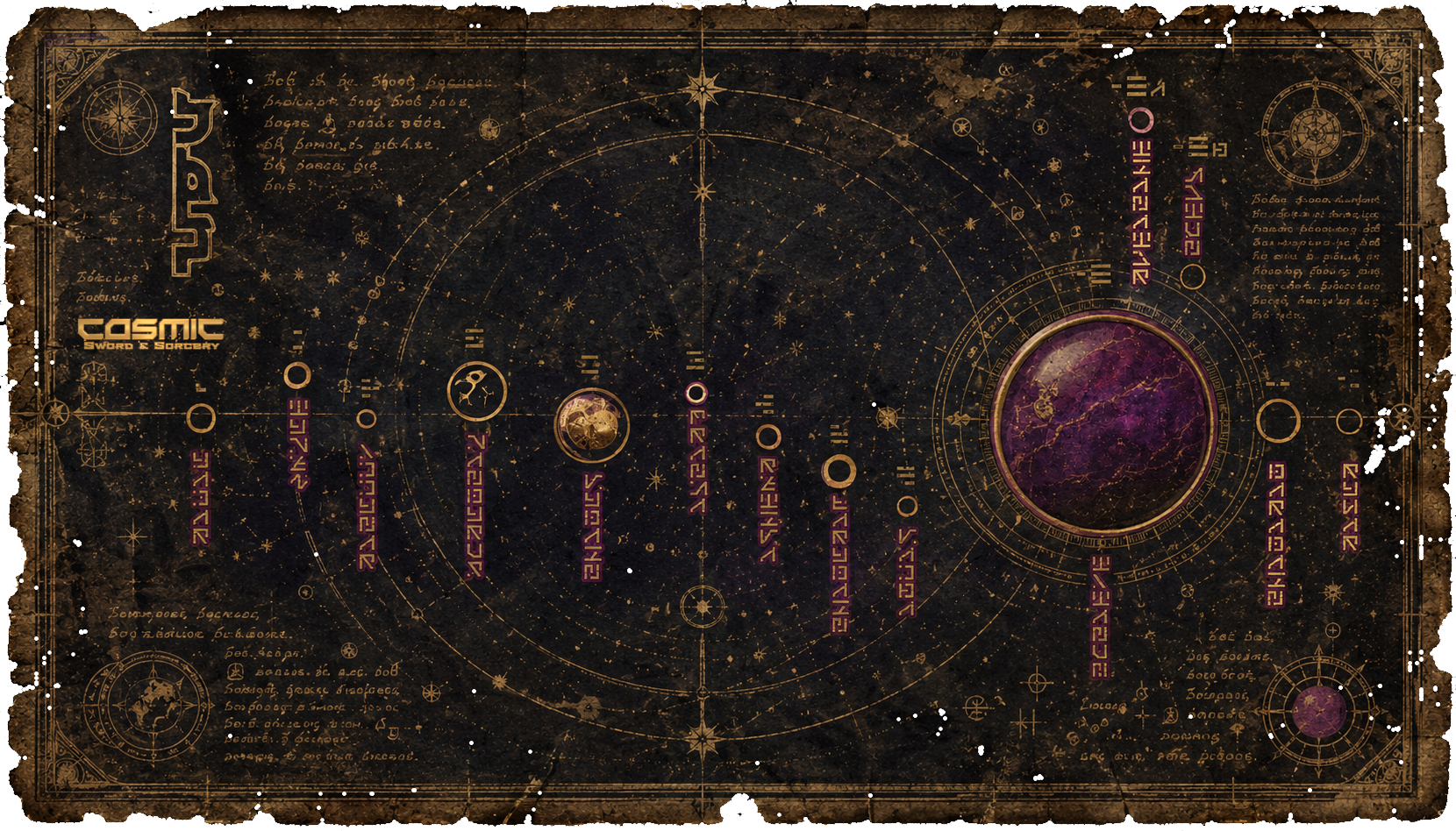
Ancient star charts recovered from the southern vaults of Ro’Edyne remained among the great unresolved mysteries of the early post-collapse ages. For centuries following the long restoration of literacy and astronomical study across Vandyrus, surviving observatories struggled to reconcile the positions recorded within the old imperial charts against the heavens visible in the modern era. Entire stellar reference paths appeared displaced. Seasonal tracking systems failed outright.
Ancient navigation tables produced impossible results when applied to the contemporary skies. At first, many scholars concluded the Ro’Edyne records themselves must have been ceremonial, symbolic, or corrupted through successive archival degradation. Others proposed that the imperial astronomers of the southern territories had employed alternative stellar conventions no longer understood by modern observers. Yet as more fragments emerged from drowned archives, collapsed observatories, and surviving orbital records, a far more disturbing conclusion gradually took shape. The skies themselves had changed.
Comparative astronomical reconstruction eventually demonstrated that Vandyrus no longer occupied the orbital alignment reflected in the oldest Ro’Edyne records. The planet’s axial orientation had shifted catastrophically at some point during the great collapse periods of antiquity, producing widespread climatic destabilization across the world. Seasonal durations altered. Oceanic circulation patterns failed. Entire continental weather systems reorganized themselves across subsequent centuries. This revelation resolved numerous long-standing historical contradictions preserved within older southern records.
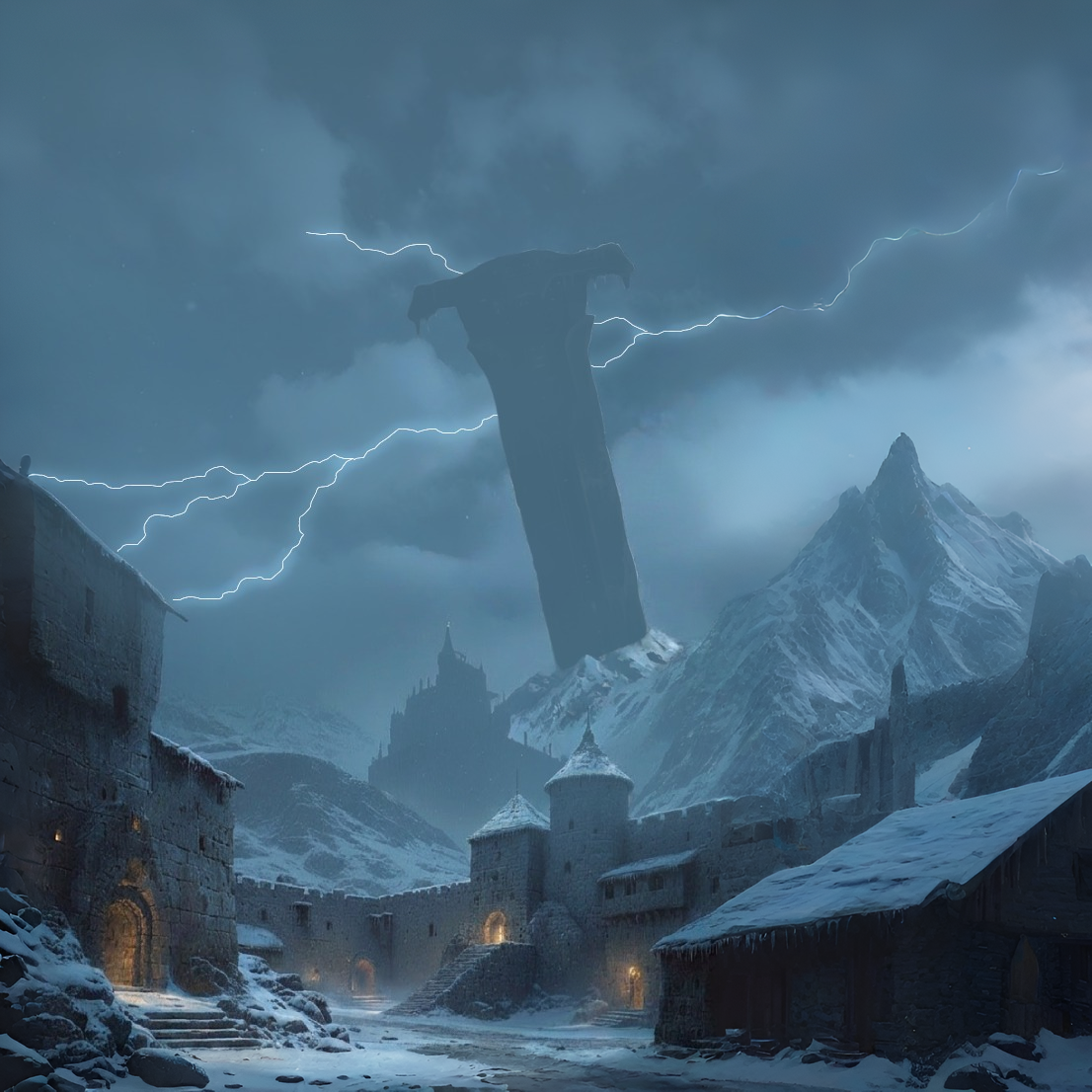
Regions once described as humid subtropical territories now lay beneath snow and northern forest. Ancient accounts of warm coastal valleys, monsoon rainfall systems, jungle escarpments, and fern-covered mountain terraces conflicted sharply with the cold maritime climates occupying those same regions in the modern age. For generations such descriptions had been dismissed as exaggeration, poetic embellishment, or symbolic language inherited from lost religious traditions.
The star charts proved otherwise. Pre-collapse Vandyrus had been a warmer, wetter, and significantly more hydrologically active world than the one inherited by later civilizations. The great southern territories of Ro’Edyne existed beneath skies unfamiliar to the modern era, their climates stabilized by planetary conditions no longer present after the orbital disruption. The redwood expanses, frozen highlands, and northern fog systems characteristic of later Vandyrus appear to have expanded only gradually across the cooling world during the long centuries following the collapse.
Among the more unsettling implications of the reconstructed charts was the realization that many post-collapse cultures had unknowingly built their understanding of “natural” Vandyrus atop the aftermath of planetary trauma. Entire civilizations emerged believing the colder world to be the original state of creation itself, unaware that the forests, coastlines, and seasonal cycles surrounding them represented only the latest condition of a much older and radically transformed planetary body.