


Bardasi or Baru’Audahsi;
Meaning “Teacher of ‘Philosophy” & “Civilization”‘
in Elder Jantaran Common
The Jantaran Bardasi were not merely merchants, nor philosophers in the later, toothless sense that the word acquired after the fall. They were a caste, formally trained, ritually bound, and socially insulated, whose function was to move between realms without ever belonging to them.
To be Bardasi was to be trusted precisely because one was never fully at home anywhere. Elder Jantara understood something most civilizations learn only after collapse: that trade is not the exchange of goods, but the exchange of assumptions. The Bardasi existed to test those assumptions, to strain them without breaking them, to learn where honor bent and where it snapped. Their caravans carried salt, dyes, metals, manuscripts, and spices, but these were incidental. What they truly transported was Jantaran order, compressed into custom, etiquette, contract, and silence.
Children entrusted to the Bardasi were not treated as hostages, nor as guests. They were apprentices in worldview. A youth traveling under a Bardasi seal was stripped of birth-rank the moment they crossed into the caravan’s authority. A prince was addressed as cub. A merchant’s daughter carried the same burdens as a shepherd’s son.
The jackals believed hierarchy was real but situational, and nowhere was this enforced more ruthlessly than on the road. The youths learned accounts by firelight, languages by insult and correction, and ethics by observing what happened when bargains were honored, broken, or renegotiated under threat. No lesson was explained that could be demonstrated. No rule was taught that could not be violated at cost.
The Bardasi worldview balanced profit with restraint not out of kindness, but out of long calculation. Elder Jantara had already discovered what later jackal regimes forgot: that maximum extraction invites maximum retaliation. A Bardasi caravan never emptied a market. It never humiliated a local lord by overpaying. It never revealed full inventories.
They practiced deliberate incompleteness, leaving value on the table as proof of confidence. This cultivated dependence without resentment, a subtle art neighboring realms mistook for generosity. It was neither. It was dominance practiced quietly, the way a blade dominates a throat without cutting.
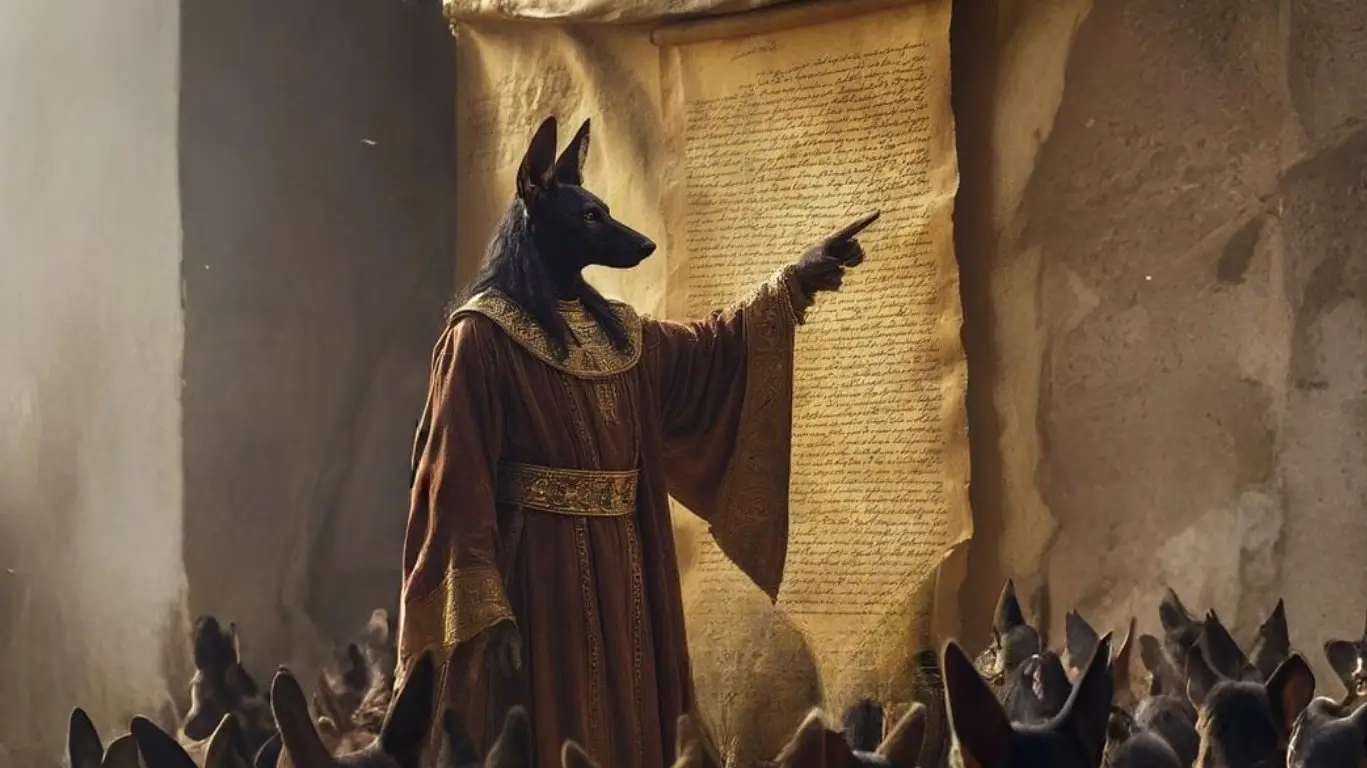
Civic duty, for the Bardasi, was inseparable from commerce. Every contract was archived. Every insult was recorded. Every favor was remembered longer than a grudge. The Bardasi carried scrolls not merely of trade, but of precedent.
When a dispute arose between foreign houses, a Bardasi could often resolve it by unrolling a record of what that same bloodline had agreed to generations earlier, under different banners, in a different land. This was the true source of their authority. They did not threaten armies. They threatened memory. And memory, in a world of short-lived rulers and shifting borders, was power no steel could contest.
The Teachings of The Bardasi
- Teachers of Philosophy & Civilization
- Lessons in Matters of Consequence
- A Hierarchy of Merchant Scholars
The History of Jantara
- Known ruins of Elder Jantara
- The Tragedy of The Elder Jantaran Decline
- The Later Jantaran Union
- Old Jantara