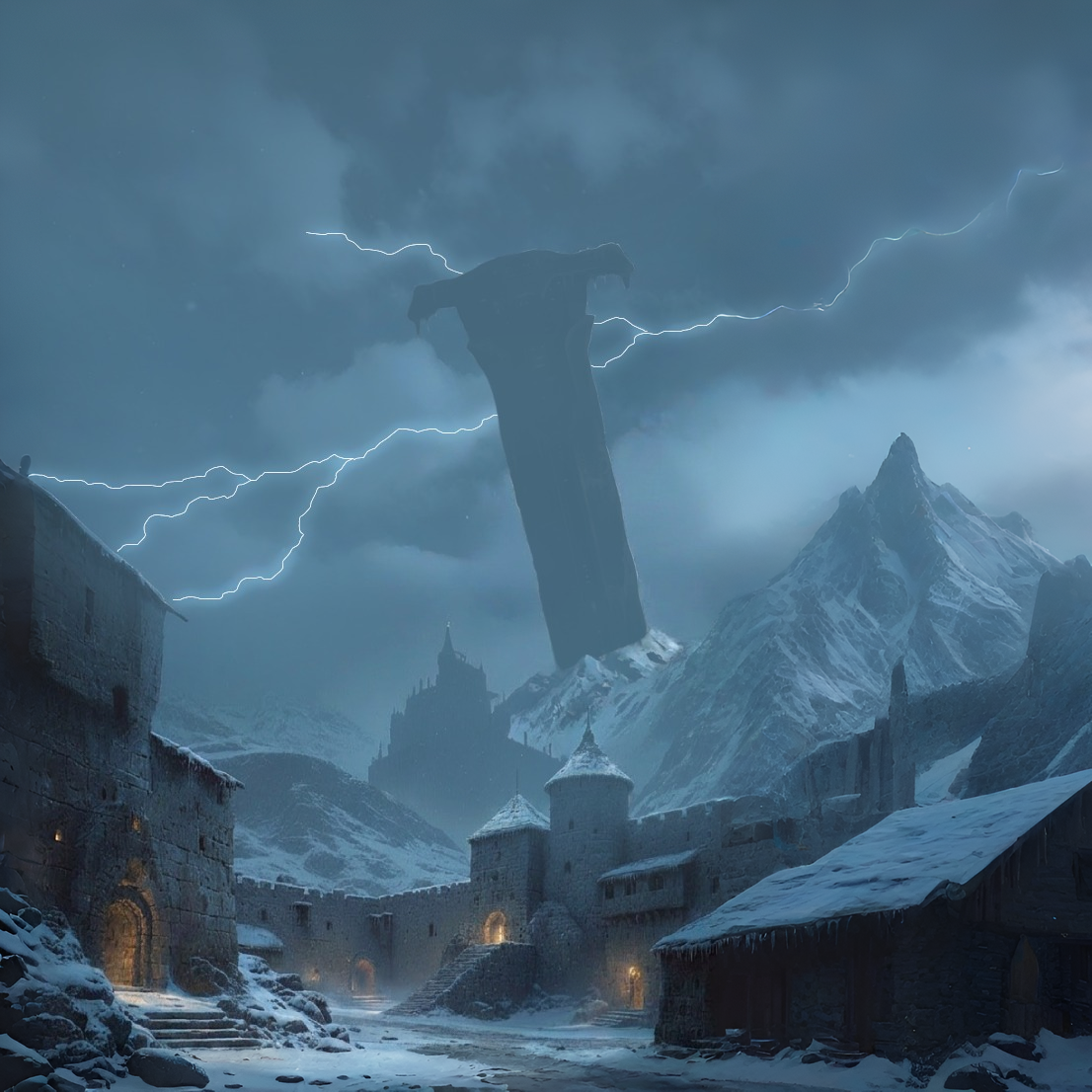


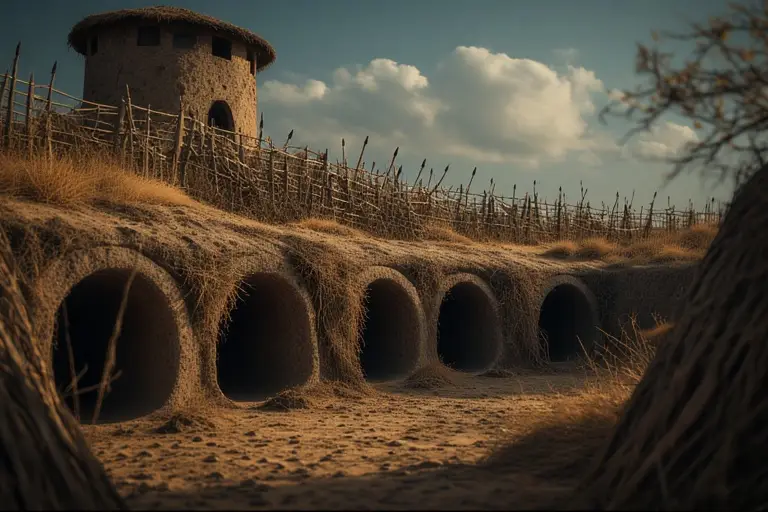
Bantos did not wait for revolution to succeed elsewhere—it moved first. As the jackal order broke, the folk of Banti struck south, seizing the borderlands even before the old regime fully collapsed. Banti itself, hollowed by corruption and famine, fell in a matter of hours—its jackal rulers slaughtered almost to a one, their citadels emptied by their own flight and the ruthless efficiency of the rebels. Couriers and riders from the first outbreak at Aros had already crossed into Izhura, rallying kin and allies along the border before the first day’s violence had ended.
The next weeks saw the region transformed. Fortifications sprang up overnight, not only by local hands but with open support: Allies in Elder Rusalon furnished weapons and coin, Izhura lent horses and muscle. These debts have never been forgotten. To this day, Bantos comes to the aid of both the strongholds of Elder Rusalon and crosses into Izhura with formal blessing when the old banners are called—by land or by sea.
While civil war consumed the streets of the Jantaran capital, the rebellion swept steadily south. By the time the dogfolk arrived at the heart of Old Jantara, the city was already a slaughterhouse. They burned it to the ground, and—significantly—did not build anew atop its bones. The site was left empty, its ruins erased by time and disuse. Instead, the similarly named Janta remained hidden, central to the new Bantos but never permitted to become a monument to old power.
The first capital rose at Calbara, in old Banti, but after a century the seat of power shifted to the center of the realm for practical reasons. Expansion continued steadily southward. In time, Ajong began to rival Tar’Rypa for dominance, each city staking a claim to greatness: Tar’Rypa insisted it remained the spiritual heart of the land, while Ajong’s boosters argued that real civilization required a city folk would actually travel to.
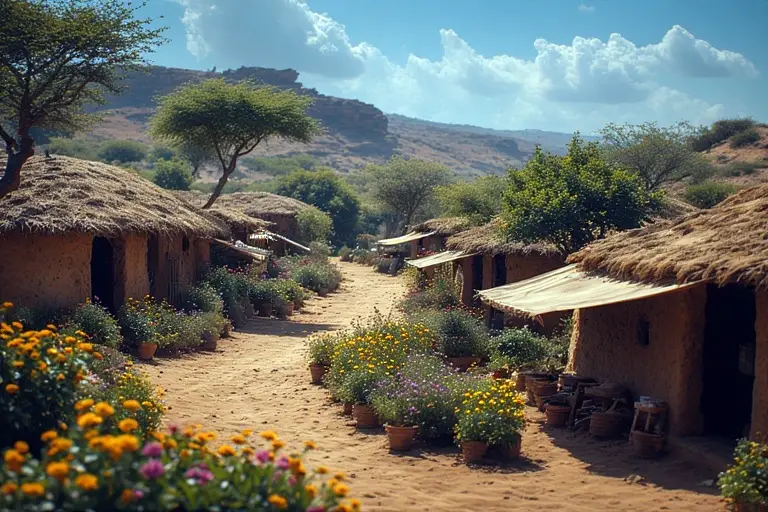
Bantos today stands as a tightly interwoven republic of three major city-states: Calbara, Tar’Rypa, and Banzel. with Ajong being a newly integrated city-state of ourland origins. There is no king. Rule falls to an elected council: six members in peacetime, nine in wartime, and up to twelve when including foreign advisors. The capital remains in Tar’Rypa by law, though rivalry with Ajong is ongoing. Currency is silver for standard trade, copper and mead by the barrel for local exchange, and bacon—five strips to the pack, clean-wrapped—for daily barter.
Laws are as direct as the region’s history:
- Slavery is illegal.
- Slavers are hanged.
- Trials are mandatory, though justice is swift.
- The army is volunteer-only; there has never been conscription.
- Usury is forbidden.
- The council is fair, but makes mistakes.
There are no city walls—only the “Bantos Wall,” meaning the militia lines at:
- Calbara in the north or
- Ajong and Banzel in the south.
A vital warning stands at every border: “Do not go to Nyakava.” This outland city, isolated on a marsh spire south of Bantos, is notorious as a haven for traffickers and reavers. Those who flee toward Bantos seeking freedom are told plainly: escape means Bantos, not Nyakava. Those unlucky enough to fall into Nyakava’s grasp may find themselves lost forever, or sold back to the slavers and bandits of Kartonga—often just a day’s journey from safety, and a lifetime from rescue.
Bantos did not erase the scars of its past. It built its law and customs on the memory of oppression, the debts of alliance, and the lessons of a rebellion that left no monument but freedom itself. Its cities still rival one another, its council still argues, but beneath it all is the grim pride of a people who survived ruin, refused tyranny, and never forgot who bought their first dawn.
Related
- Bantos
- The Jackalands of Yorozh
- New Jantara