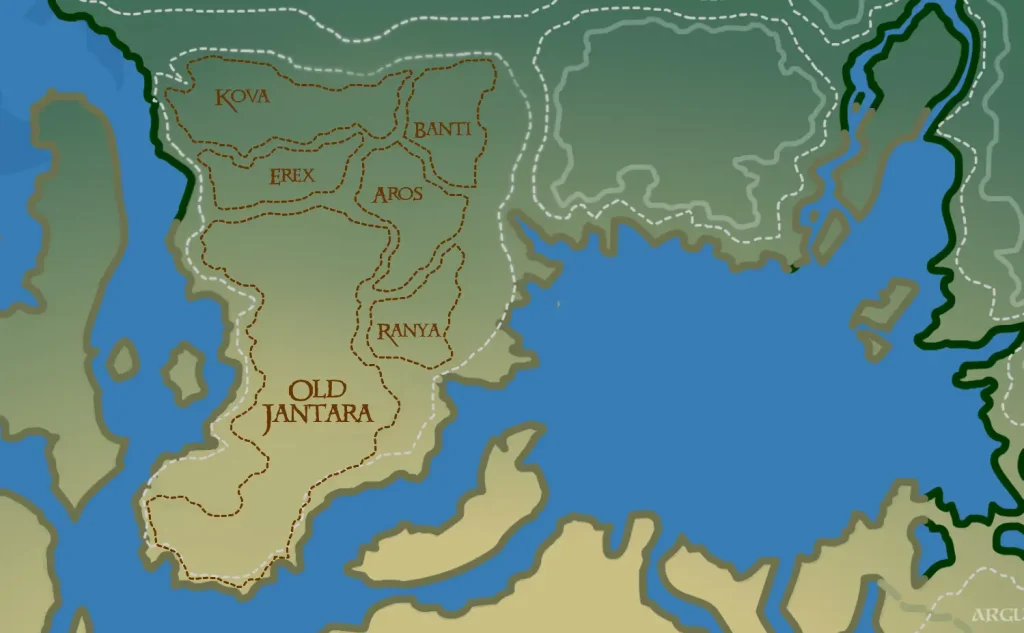




The fall of the jackals is not tragic because they were defeated. It is tragic because they fell so far, and because the descent took so long that its end was barely noticed when it finally came. Elder Jantara did not die screaming beneath foreign blades, nor was it erased by some singular cataclysmic betrayal. It thinned. It softened. It dimmed itself over generations, trading vigilance for refinement, ritual for repetition, certainty for indulgence. By the time its last true heirs vanished, the world had already grown accustomed to the absence of jackal greatness.
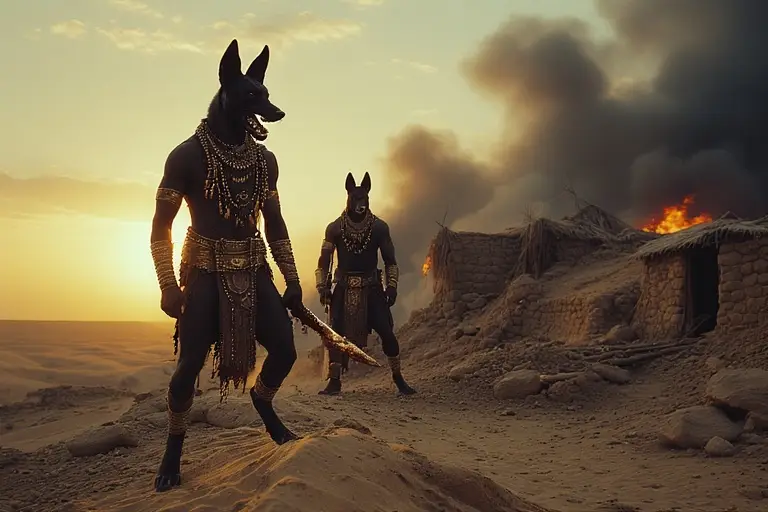
This is what makes the modern jackal such a bitter sight. The jackal grunt of the present age is a scavenger in rags, clutching a chipped blade, half-feral in speech and habit, bleeding on command for the amusement or favor of despotic kings who rule by terror rather than covenant. There is no philosophy left in him, no discipline beyond hunger, no loyalty beyond fear. He is used as expendable muscle, a body to be thrown at walls or into ambushes, promised scraps of plunder or access to rut as payment for obedience. He knows no law but dominance, no past but rumor, no future but the next wound.

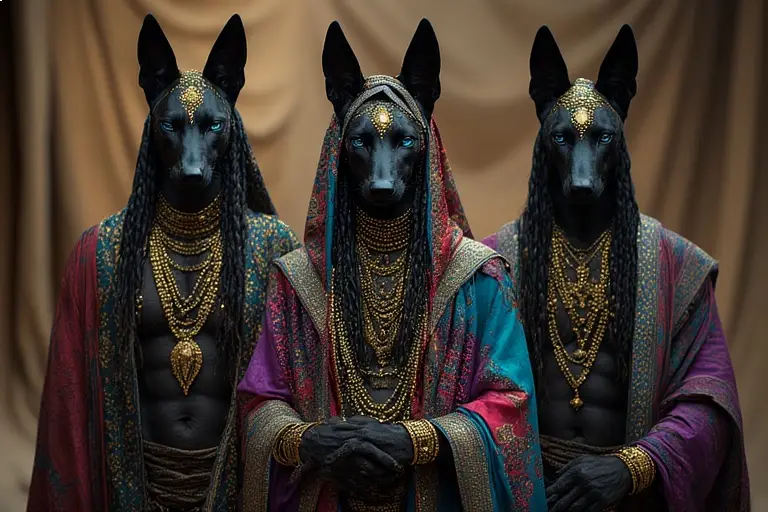
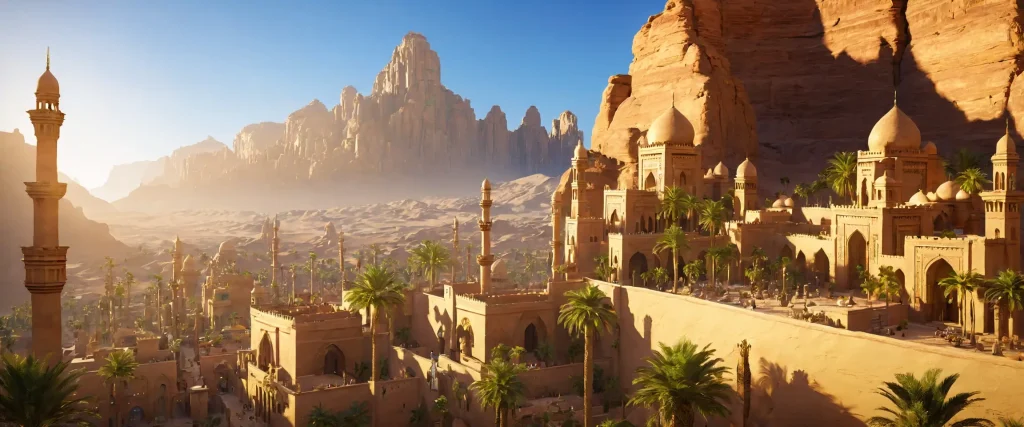
Against this stands the memory of Elder Jantara, and the contrast is almost unbearable. The jackals of that elder age were tall, composed, and unmistakably deliberate. They were mystics of trade and restraint, wielders of commerce as a civilizing force rather than a predatory one. Their discipline was not born of terror but of doctrine, reinforced by faith and symbol rather than lash. They governed themselves as much as they governed others, bound by internal codes that prized control over excess and reputation over conquest. Where the modern jackal lunges, the elder jackal measured.
Nowhere was this more evident than in the Elder Jantaran blades. These warriors were not mere soldiers for hire, but mercenaries of singular renown, sought across the southern realms for a loyalty that exceeded coin. They were bound not only to their pay, but to the spoken word of the lord or baron they served.
Once committed, an Elder Jantaran blade did not retreat. Accounts speak of them locking shields with their own bodies, standing firm beneath arrow fire to shelter those they had sworn to protect, dying in place rather than breaking oath. To hire them was to purchase certainty, not cruelty.
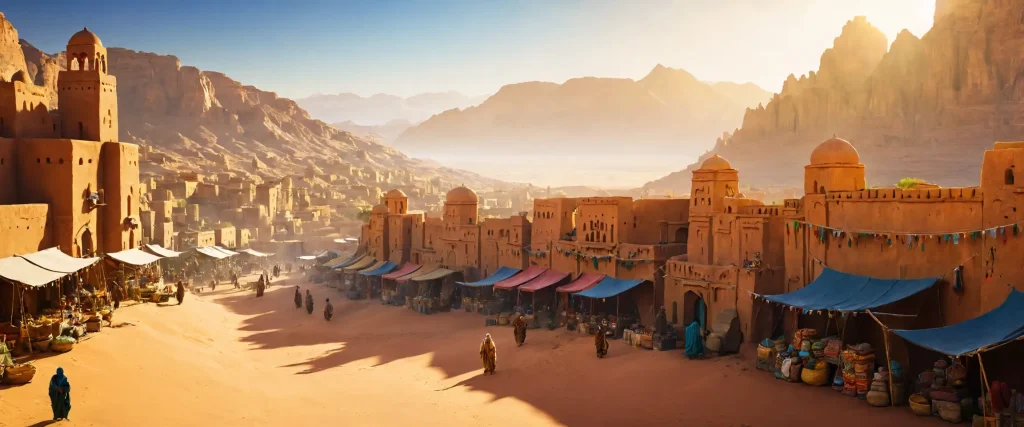
So trusted were the institutions of Elder Jantara that neighboring kingdoms entrusted their own offspring to Jantaran Bardasi 💎, the merchant-philosophers of that age. Sons and daughters traveled with jackal caravans not merely to learn trade, but to absorb a worldview that balanced honor with guile, profit with restraint, curiosity with discipline.

These youths returned changed, sharpened by exposure to a culture that treated commerce as both moral test and civic duty. That such trust once existed makes the present suspicion of jackals all the more damning.Even their physical presence has passed into near-myth.
The Elder Jackals were said to be arrestingly beautiful, the females statuesque and severe, the males exemplars of southern canine grace—lean, powerful, and proportioned with an almost architectural harmony. Their bodies reflected the same restraint that governed their culture: nothing wasted, nothing excessive.
Desire was acknowledged, not denied, and their society was open in its acceptance of bisexuality among both males and females. Love, rut, and pleasure were not treated as shameful impulses, but as forces to be understood, moderated, and woven into social order rather than allowed to dominate it.
The relics they left behind only deepen the sense of loss. Elder Jantaran sapphires and swords are artifacts of a craft no longer replicated, not merely because of lost technique, but because the civilizational conditions that produced them no longer exist. A single sapphire of Elder Jantaran cut is worth a hundred times its weight in gold, not for rarity alone, but because it embodies an ethic as much as a material mastery. These were not ornaments of vanity, but anchors of moral identity, symbols of restraint forged into stone and steel. Their blades, too, carry a balance and permanence unseen in ten thousand years of declining returns.
Thus the tragedy is complete. The jackals did not merely lose territory, power, or prestige. They lost continuity. What survives today is not a corrupted version of Elder Jantara, but a negation of it—a people stripped of memory, discipline, and form, left with only hunger and cruelty where philosophy once stood. The world mourns Elder Jantara not because it was perfect, but because it proved that jackals were once capable of something far greater than what now stalks the dust.