


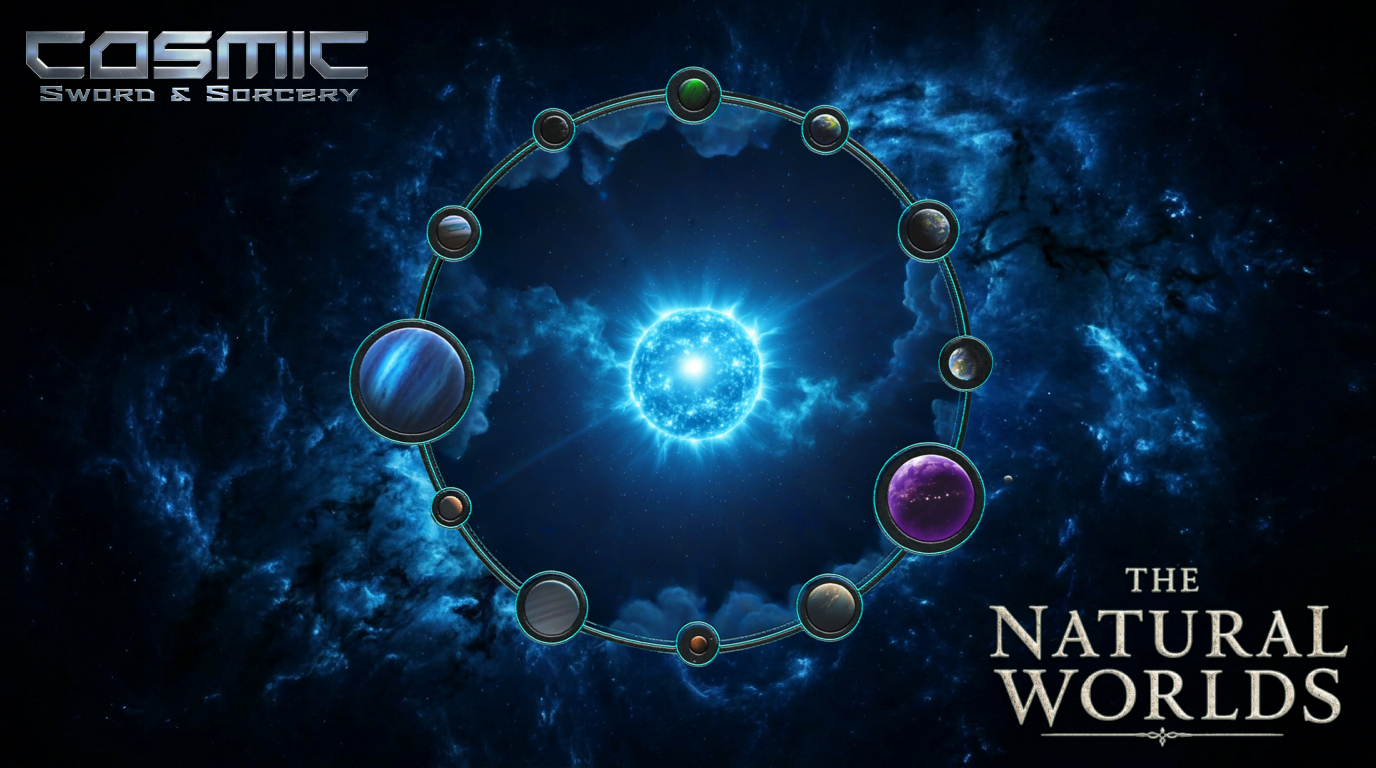
RAN
Classification of Stellar Type
and Associated Phenomena
Ran is not catalogued under the pastoral classifications used by lesser worlds. It does not fall within the common hearth-spectrum stars that nurture agrarian biospheres and soft-cycle civilizations.
Those stars—yellow, docile, metabolically conservative—are designated in older imperial registries as Hearth Class, suitable for early habitation, long-cycle ecological stability, and low-yield industrial uplift.
Ran is not such a star.
Ran is formally designated within the Imperial Stellar Taxonomy as a High-Yield Industrial Furnace Star, a classification reserved for stars whose output, variability, and surrounding environmental conditions render them not merely sources of light and gravity, but engines of extraction, refinement, and large-scale energetic exploitation.
This classification is not based solely on spectral coloration, though Ran presents visually as a saturated cyan-blue when observed through standard imperial filters. Rather, it is determined by a convergence of factors: elevated radiative output relative to mass, persistent surface agitation patterns exceeding baseline stellar convection models, and—most critically—the presence of a structured, multi-layered stellar cloud environment capable of sustaining industrial harvest operations across extended radii.
Ran’s light is not gentle. It is sharp, particulate, and saturating. Surfaces within direct exposure bands exhibit accelerated photonic stress, requiring shielding protocols well beyond those employed in Hearth Class systems. Even at distance, the star’s emission profile carries a density that lends itself to energy capture, amplification, and weaponization.
The defining feature of Ran, however, is not the star in isolation, but the system it sustains.
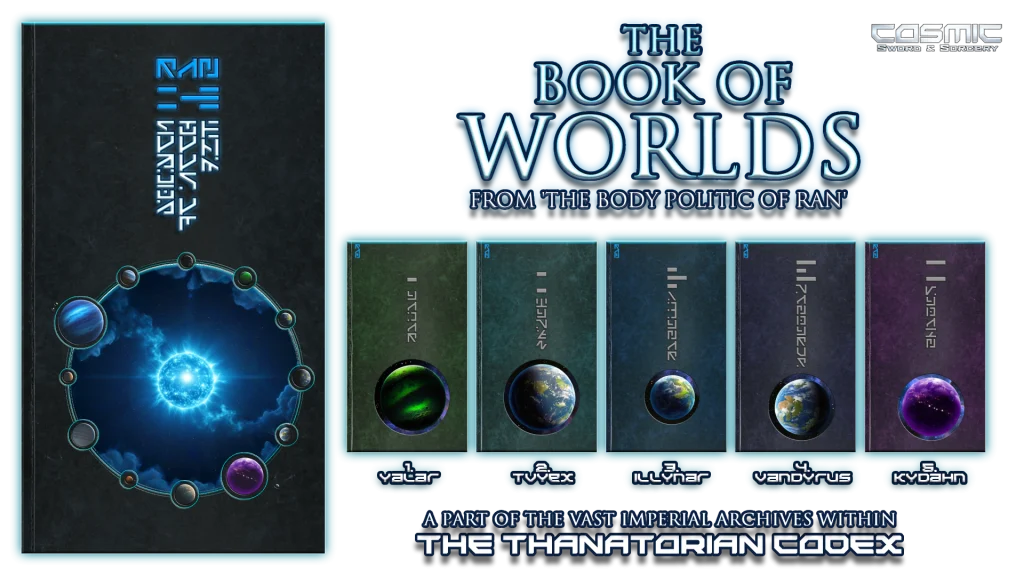
Encircling the star is the Ran Stellar Cloud, a vast, lotus-patterned formation of particulate gas, ionized matter, and radiative interference fields. This structure is not incidental debris nor diffuse nebular drift. It is a stable, repeating formation, exhibiting layered density gradients and petal-like distributions that extend across the inner system. The origins of this structure remain a subject of restricted speculation within higher Imperial circles; however, its utility is beyond dispute.
Within this Stellar Cloud resides a secondary, far more volatile region known formally as Ran’s Storm.
Ran’s Storm is not a metaphor.
It is a persistent, high-energy plasma and electromagnetic turbulence field occupying a defined region within the inner cloud layers. The Storm is characterized by violent discharge events, including lightning structures of continental scale, capable of spanning distances greater than pre-Imperial urban centers. These discharges are not random. They follow shifting, semi-coherent pathways through the cloud medium, interacting with local particulate density and magnetic flux in ways that defy simple predictive modeling.
Vessels entering Ran’s Storm without specialized reinforcement are not destroyed in a conventional sense. They are unmade—structurally compromised at multiple points simultaneously as electrical and gravitational stresses exceed material tolerances. Hull integrity fails not from impact, but from saturation.
For this reason, Imperial navigation protocols are unambiguous: Transit within the Ran Stellar Cloud is permitted under regulated conditions. Approach to Ran’s Storm is restricted to designated industrial and research fleets. Penetration of the Storm without authorization is classified as terminal negligence. Despite its lethality, Ran’s Storm is also the system’s greatest asset.
The energy density within the Storm enables extraction processes unattainable in calmer systems. Plasma harvesting, charged particulate capture, and exotic energy conversion operations are conducted at the periphery of the Storm by heavily shielded platforms. These installations operate in cycles dictated not by convenience, but by the Storm’s shifting behavior. Windows of relative stability are brief and must be exploited with precision.
Beyond the inner cloud layers, the Ran Stellar Cloud transitions into lower-density regions rich in long-range gases and radiation fields. These outer strata support autonomous collection platforms that harvest diffuse energy and material over vast spans of space. Unlike the violent immediacy of the Storm, these regions represent slow, continuous yield—an ocean of extractable value extending far beyond the star’s direct influence.
It is this combination—core stellar output, structured cloud environment, and internal storm system—that defines Ran’s classification.
A Hearth Class star sustains life.
A High-Yield Industrial Furnace Star sustains empire.
Ran has, across multiple Ages, served as a primary engine of production, research, and strategic dominance. Its dangers are not incidental obstacles to be overcome; they are integral to its value. The same forces that tear unprepared vessels apart provide the energy and material foundations upon which Imperial infrastructure is built.
Still, it is necessary that the observer be reminded—this system is not to be understood as a singular star with attendant worlds, but as a stratified dominion of energy, matter, and controlled hazard, within which each layer serves a function in the greater Imperial design. Ran is the engine, but the Storm, the Cloud, and the outer harvest fields are its limbs and arteries, extending its influence far beyond what lesser stellar models would permit. To approach Ran is not merely to enter orbit of a star, but to pass through successive thresholds of increasing consequence, where navigation, industry, and survival are governed not by distance alone, but by comprehension of the system’s ordered violence.
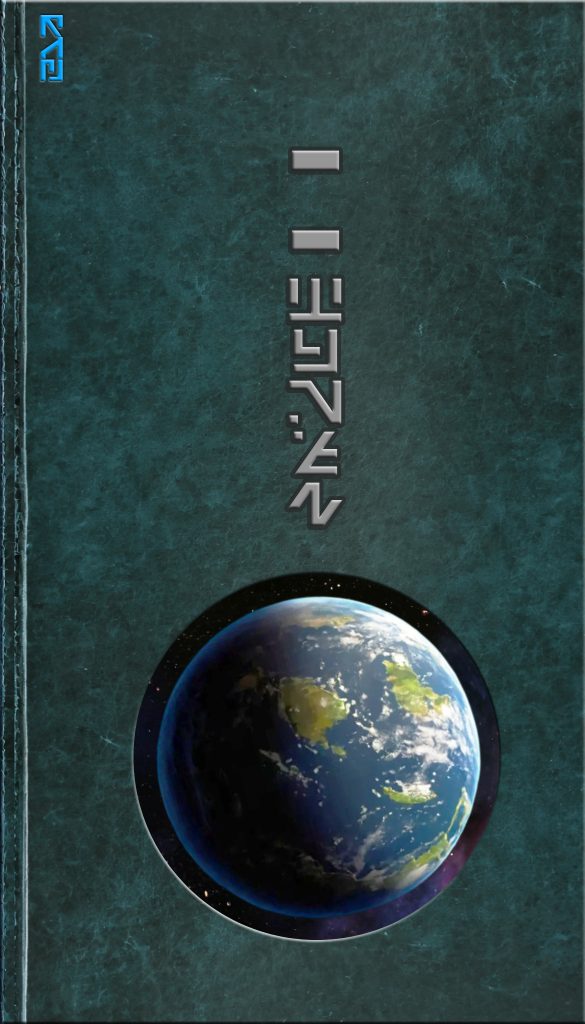
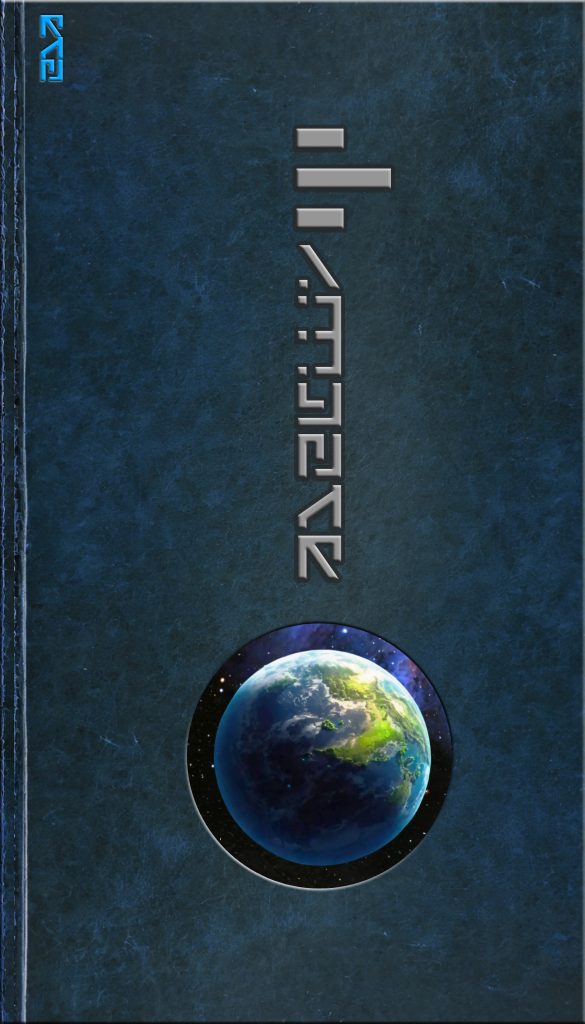
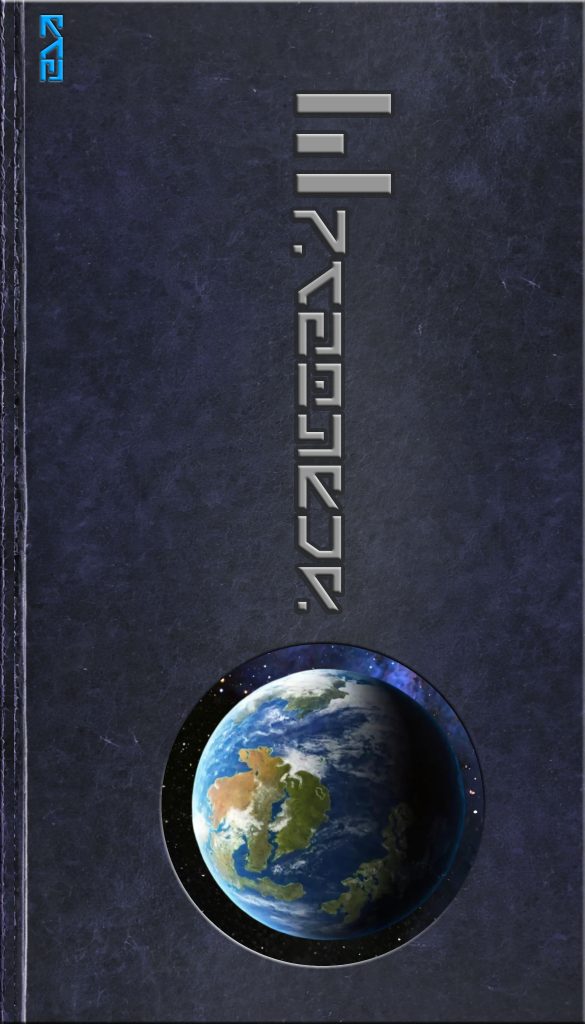
From the inner worlds held within the reach of Ran’s Storm, where extraction fleets contend with forces sufficient to unmake the unprepared, to the outer strata of the Ran Stellar Cloud, where autonomous platforms harvest the slow yield of drifting radiation and gas, each domain operates within a defined spectrum of risk and return.
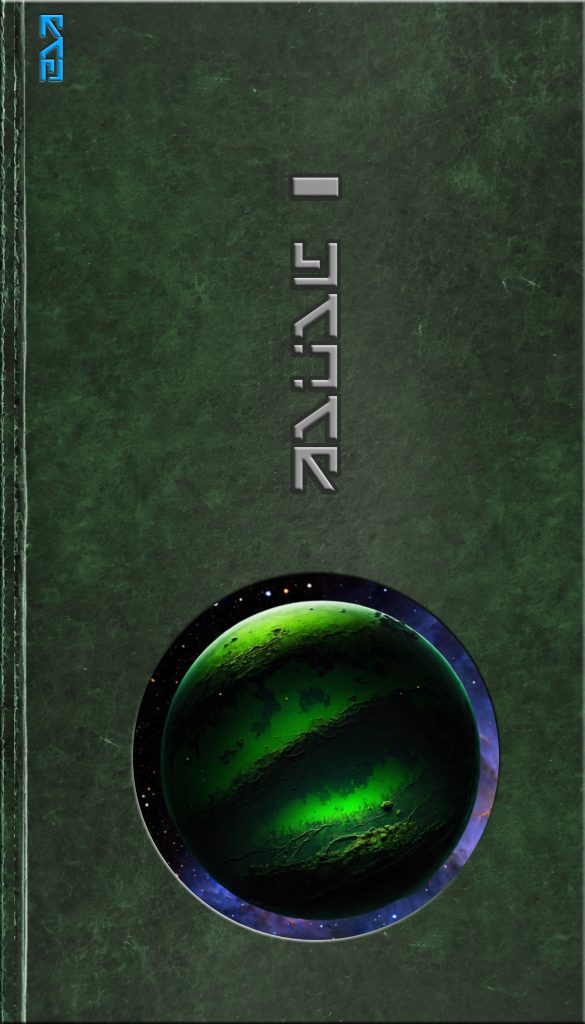
Worlds such as Yalar, set within the margins of the Storm itself, exist not in defiance of these conditions, but because of them, shaped by proximity to energies that would render Hearth Class environments untenable. Beyond these, the broader system extends outward into regions of diminishing density yet persistent value, where trade routes, relay stations, and long-cycle industries bind the system together into a continuous field of production and exchange.
It is within this layered architecture that the worlds of Ran must be considered—not as isolated spheres, but as components within a greater machine whose function has endured across Ages, adapting to upheaval, catastrophe, and renewal without surrendering its fundamental character. What follows is not a singular narrative, but a catalog of states, conditions, and transformations observed across these worlds as they exist under the present Age.
The state of these worlds is hereby presented across the volumes.