Category: Zhuru

  • The Lie of the Eastern Border

    The Lie of the Eastern Border

    East of Kartonga, the so-called border with Varduun is a fiction; an absence of warning, law, or meaningful transition. The Kartongan wastes, for all their hazards, taciturn outland slavers, swaggering bravos with naked females on chains and freshly blooded steel on hip, the constant commerce of suffering, are still lands of sharpened barter & dangerous sneering bravado, ruled by appetite but anchored in something resembling a code.

    Varduun is the antithesis. There is no frontier, no fort, no marker or ancient stone to signal entry into the Hyena Lands. One stumbles across, or is taken across, and the realization comes too late: all rules, even those of predation, become unreliable.

    In the wastes, a lion may keep his sword sharp, his mind keener, and negotiate his way out of trouble or into power, but these old games die in Varduun. The hyenas eat everything—body, mind, and custom. Some bands are slavers, trading wretched lives to whatever kingdom or caravan will pay; others are feral packs, utterly mad, snapping up even their own kin.

    Some are simply monstrous: sick with parasites, flesh warped, drooling, cackling, and yet keen enough to sense the scent of an outsider, to know how to bait and break a traveler. There is no shortage of fresh horrors in Varduun. Hyenas rut and feast without conscience or law, their alliances shifting, their minds as fractured as their bodies. Nothing survives long that is not hyena, and even that is no certainty.

    The catastrophe is not just ecological but spiritual. No one warns you. No post stands, no trader utters a caution, no scent changes in the wind. The hyenas know, and they wait. Kartonga knows, and does not care. For any lion—indeed, for any outsider—caught on hyena ground, there is only one wisdom: stay armed, keep poison handy, and pray you are never taken alive.

  • Tranga City

    Tranga City

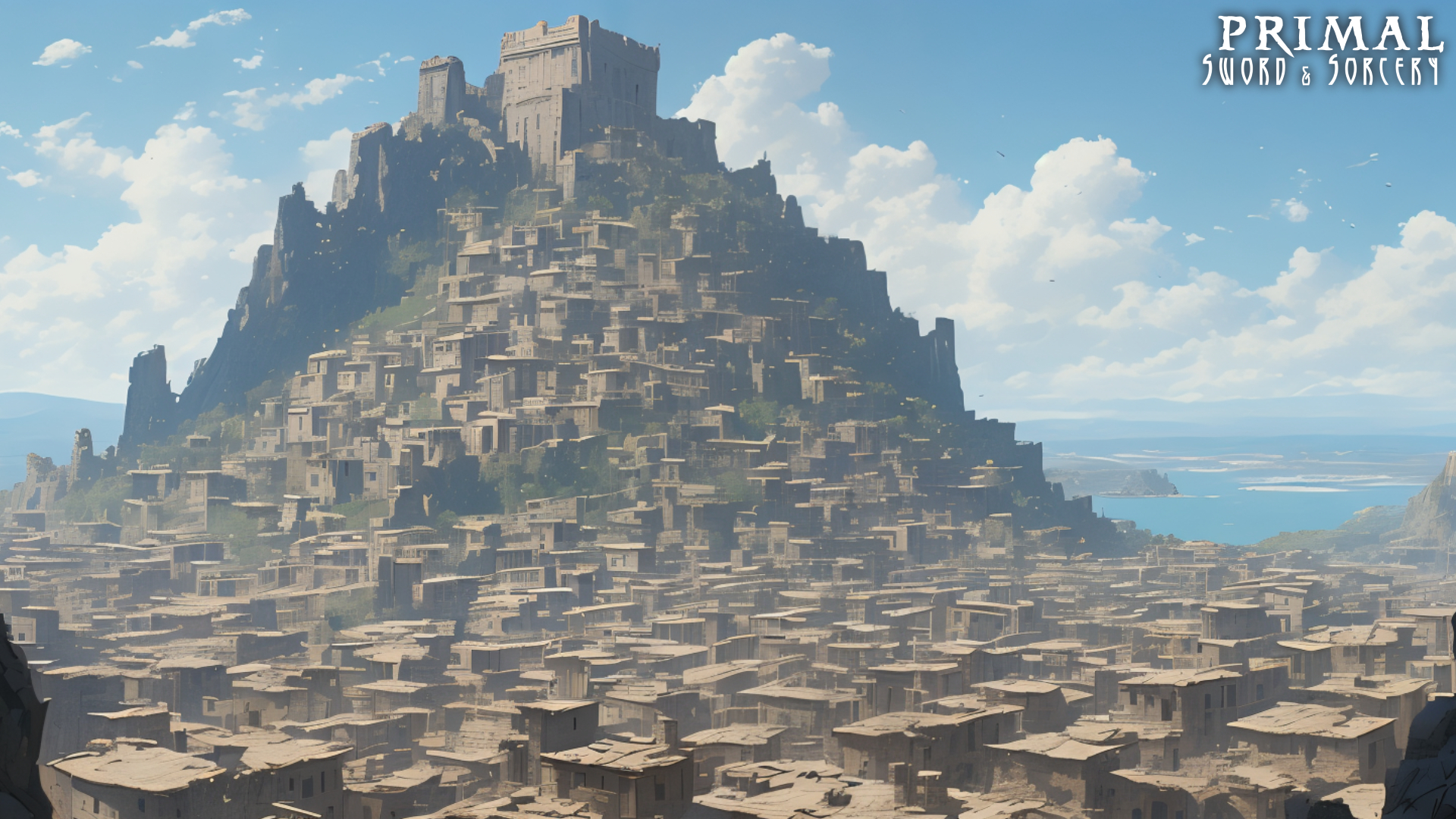
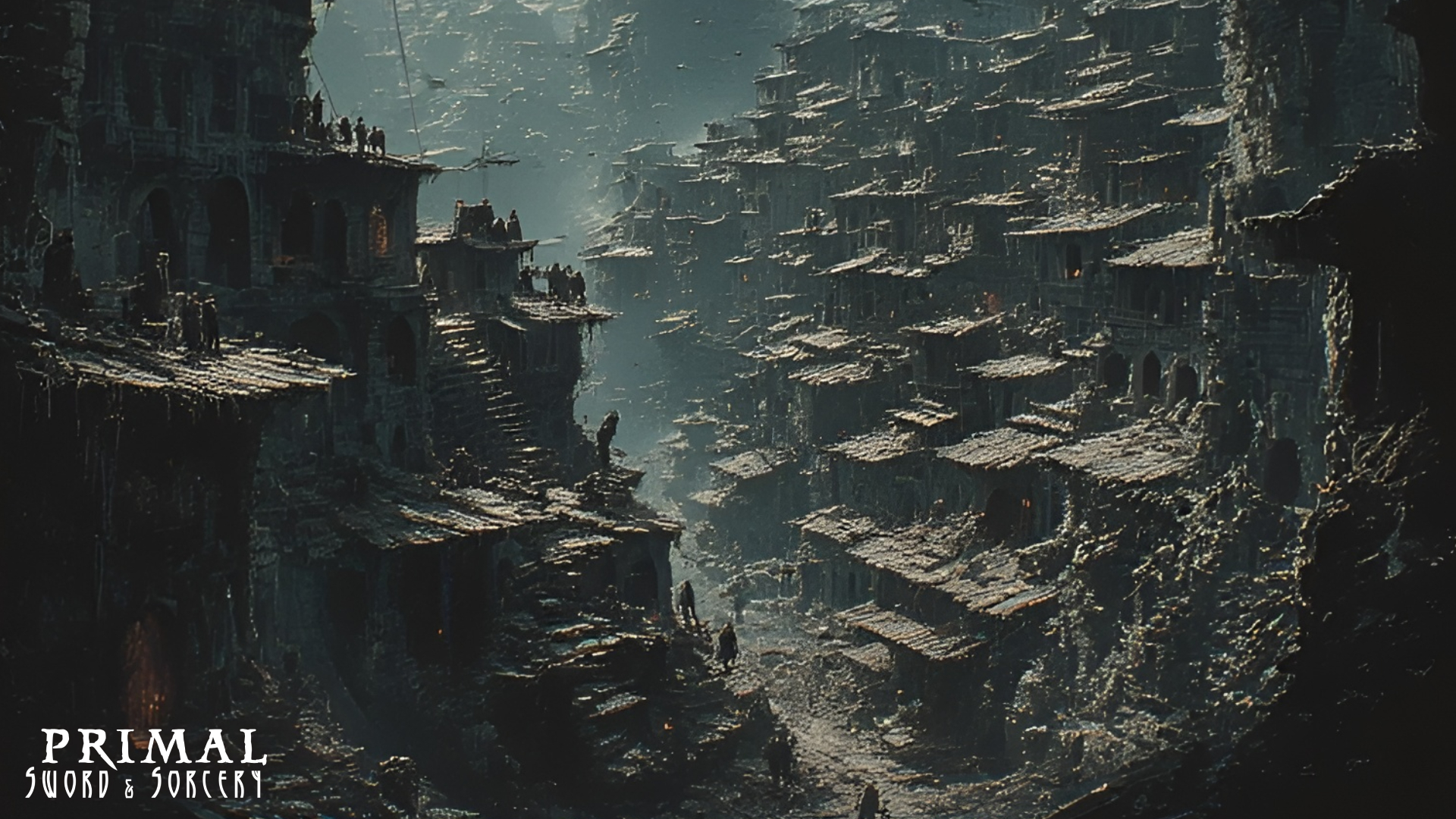
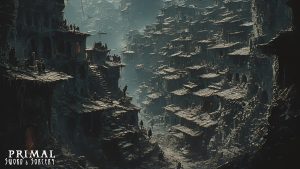
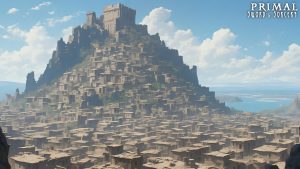
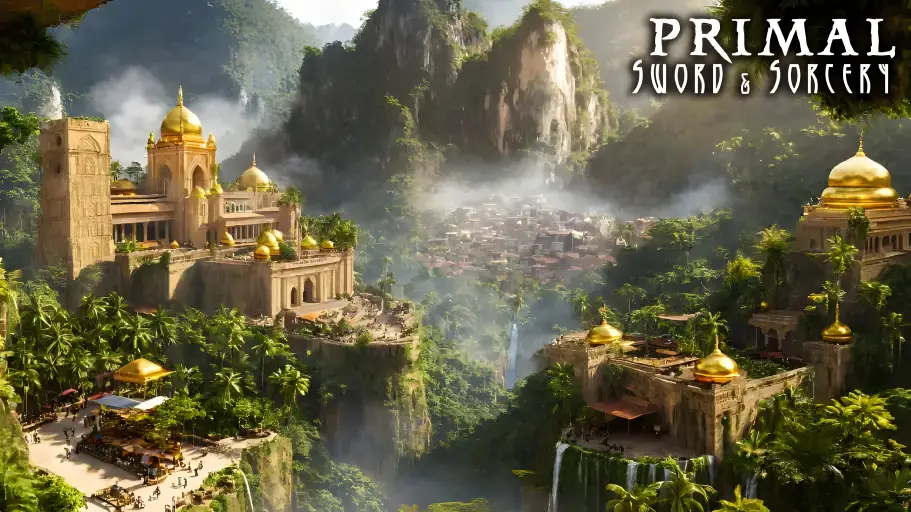
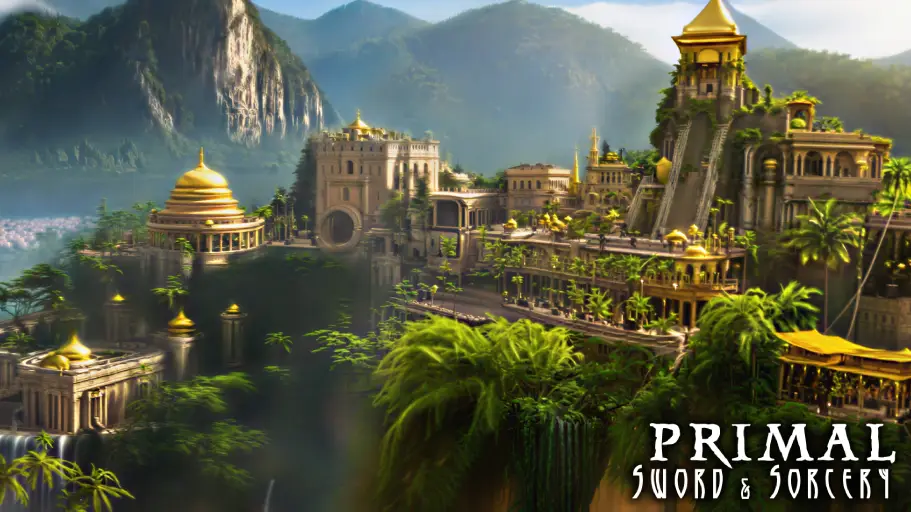
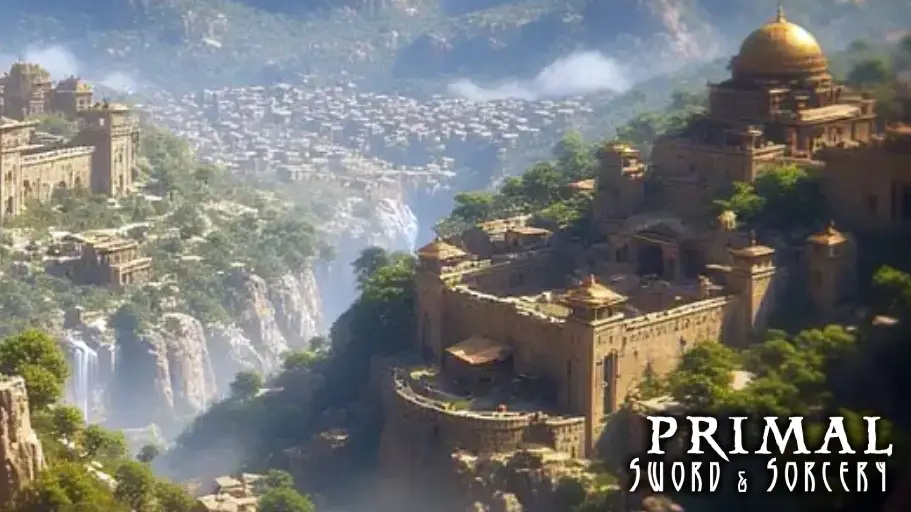
    The coastal city that bears the same name exists in contrast to this interior decay, but not in contradiction. It has grown not by restoring the land, but by exploiting its condition. Built into the slope of a steep and stubborn hill, the city presents itself as a vertical accumulation of necessity rather than design. Its outer gates are heavy and deliberate, but once inside, structure gives way to density—layer upon layer of habitation, trade, concealment, and opportunism rising upward along carved terraces and half-collapsed foundations that predate any current occupation.

    It is within this inherited skeleton that the ratfolk of central Kartonga have established their hold, not as rulers in the formal sense, but as those best suited to inhabit a place where certainty is impossible. Their dominance is practical, not ceremonial. They do not cleanse the city of its dangers; they navigate them. They do not unify its districts; they map the fractures and profit from them. In Tranga, survival favors those who can move through layers—social, physical, and economic—without becoming fixed in any one of them. The ratfolk excel here not through strength, but through continuity of presence. They are always there, in the walls, in the tunnels, in the exchanges that occur before any formal agreement is reached.

    The city’s markets reflect this condition. The thieves’ quarter is not a district but a behavior that permeates every level of trade. Goods are not merely sold; they are circulated through hands that alter their value with each transaction, stripping origin and attaching new context. Poison makers operate openly, not because the city lacks law, but because the demand for quiet solutions is constant and widely understood. Their craft is not relegated to hidden dens but integrated into the economy itself, with mixtures tailored not only for killing, but for weakening, disorienting, or binding another to obligation. In Tranga, a poison is as likely to secure a contract as it is to end a life.

    Financiers of a different kind move through this same structure—those who deal not in coin alone, but in leverage. Debt in Tranga is rarely written and never forgotten. It exists as a network of favors, threats, and mutual compromise, enforced not by a central authority but by the collective understanding that betrayal here is costly in ways that extend beyond the individual. Assassins and spies operate within this framework as extensions of that economy, their services indistinguishable from other forms of labor except in consequence. Information is traded alongside flesh and weaponry, and often proves more valuable than either.

    The lower levels of the city, where the original structures are most intact, house the populations least visible to outsiders. Urchins move through these spaces with a familiarity that borders on instinct, acting as carriers of message, rumor, and stolen goods. They are not merely victims of circumstance but active participants in the city’s function, forming the connective tissue between its disparate elements. Above them, the trade in bodies continues with the same pragmatic tone that defines all else. Whores in Tranga are not set apart as a class of indulgence, but as another form of transaction within a system that values utility above all. Their position grants them access—to information, to influence, to survival—so long as they understand the terms under which they operate.


    Related

  • Tranga

    Tranga

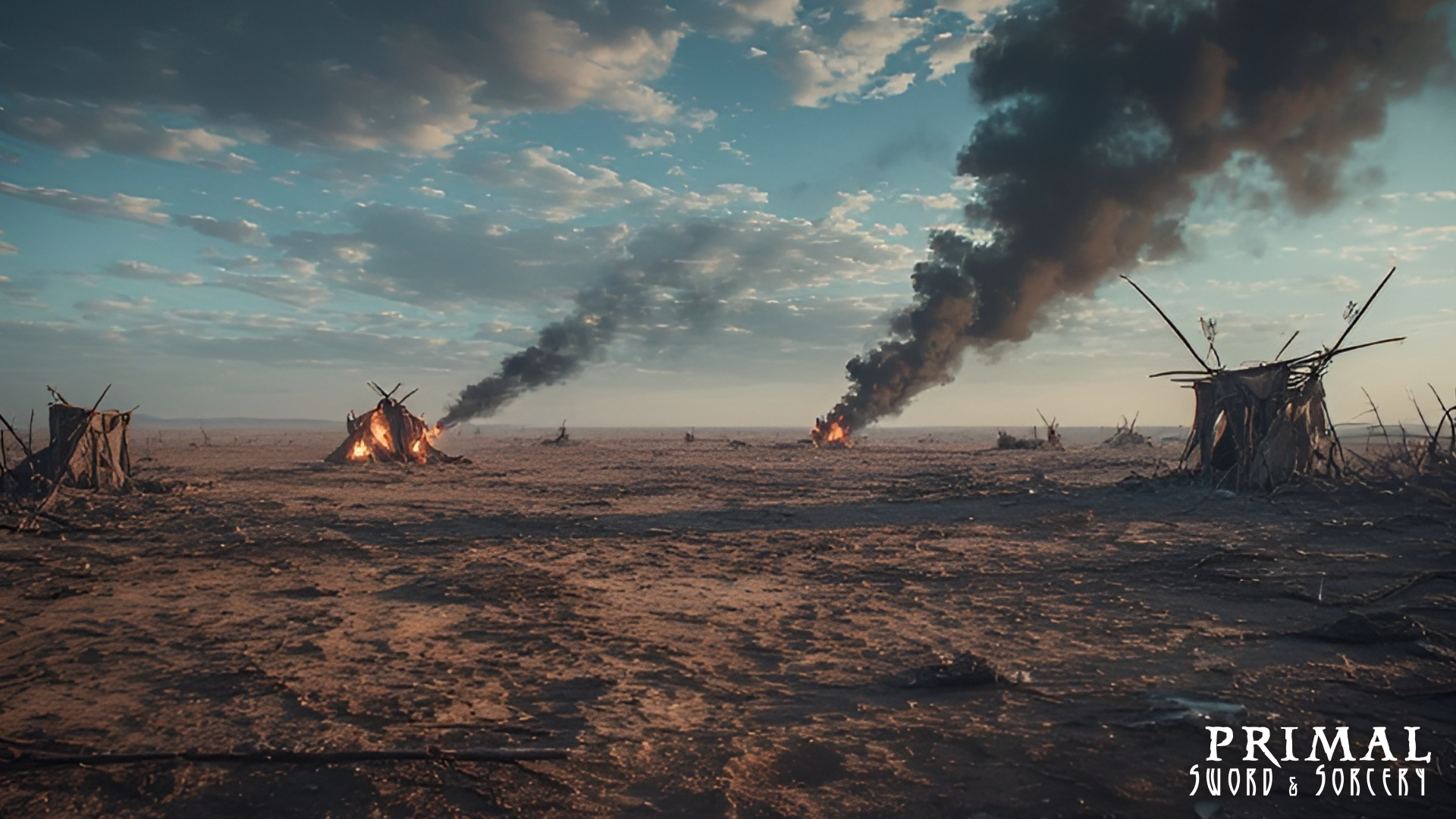
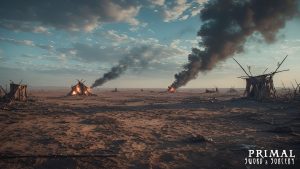
    South of Old Kartong, the region of Tranga stands as a transitional scar rather than a settled province—a place where the authority of the city dissolves into dust, and where permanence itself is treated as a liability. The land is marked not by borders that hold, but by the remnants of attempts to impose them: collapsed tent-lines hardened into brittle husks, trade paths that shift with each season’s wind, and low stone outlines of structures that were never meant to endure. What remains is not abandonment in the pure sense, but a thinning of intention. Tranga is not empty. It is simply no longer claimed in any way that matters to those who understand how power functions in Kartonga.


    The Cities of Tranga

  • Panjar

    Panjar

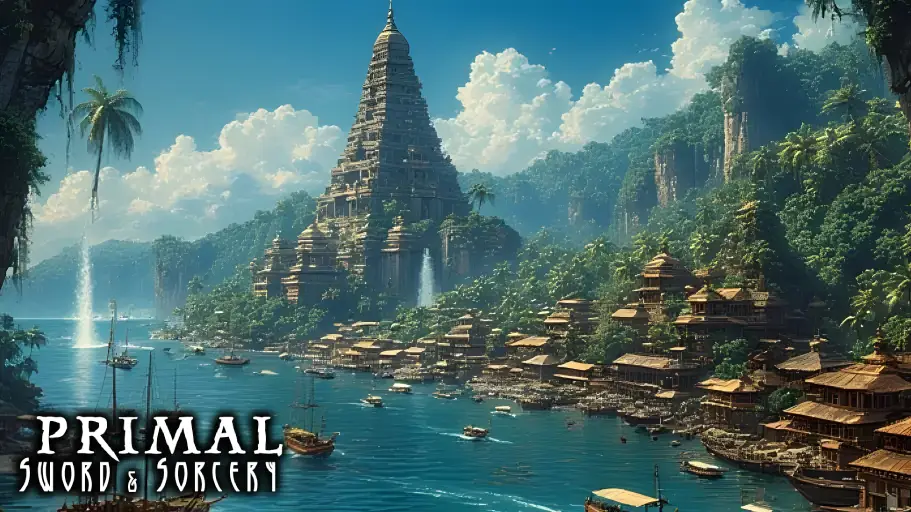
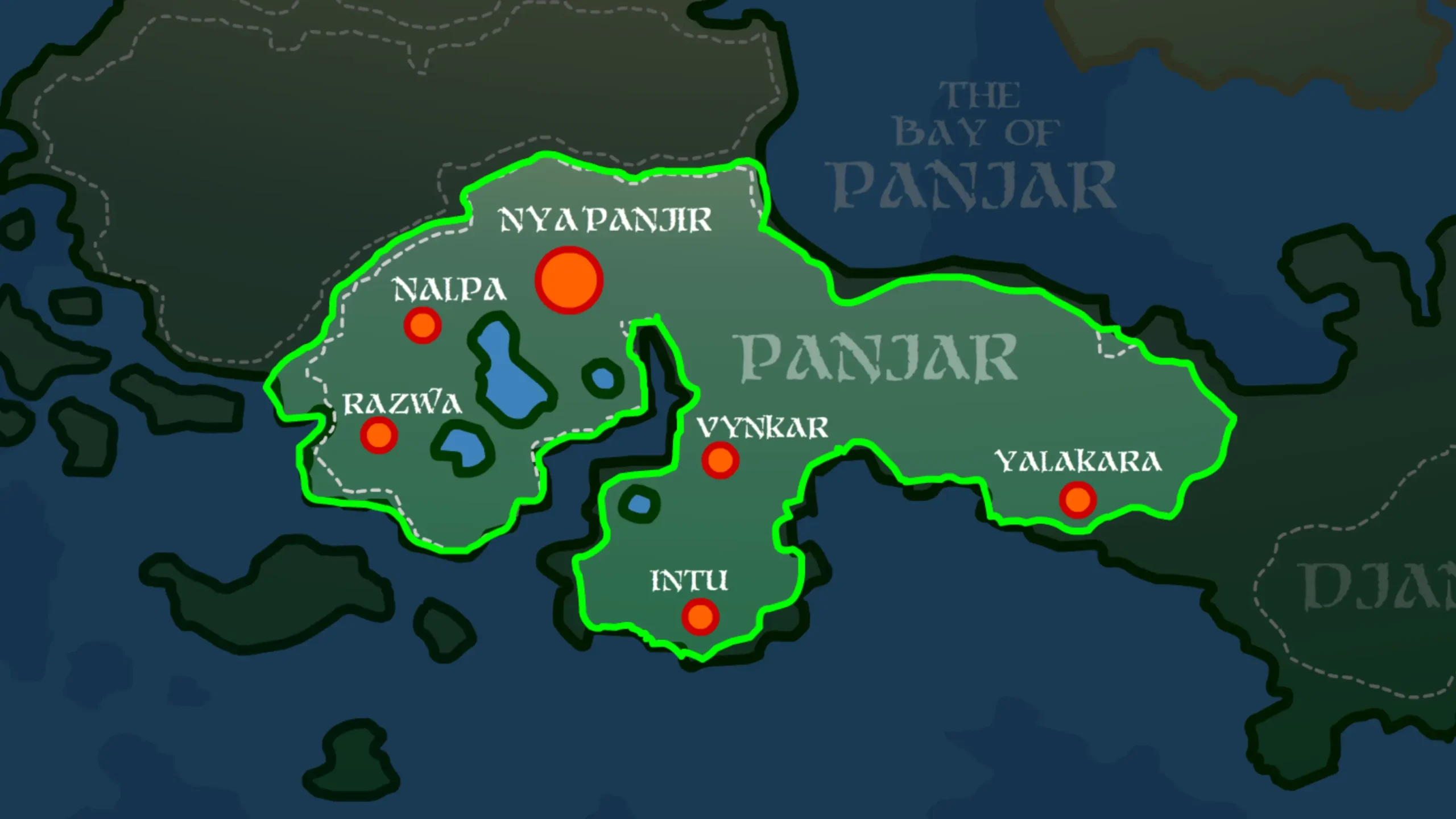
    Panjar rises in sharp ascent, its highlands standing shoulder to shoulder with Yir in height. The land is a labyrinth of forest and marsh, where bamboo thickets grow dense as walls and poison-forests writhe with venomous growth. Rivers swell into marshlands that drown the east in swamp.

    Its folk are no scattered tribes—they are one of Zhuru’s rare organized powers. Mongoose, jaguars, bears, and eagles dominate here, their claws and talons united against the serpents that infest their lands. The Panjari see themselves as born to strangle snakes, and their very culture is defined by this struggle: swift, merciless, unyielding.

    Panjar’s civilization is startlingly well-ordered. Timber flows from its forests, its navy patrols the seas that bear its name, and its armies march as disciplined hosts. The Panjari export wood, resin, and spices, but what they truly trade is fear: the knowledge that theirs is a people whose blades are sharp, whose walls are high, whose ships command the straits.

    Once, Panjar’s domain stretched further east, out into lands now claimed by the sea. From this wound comes their fierce naval tradition: they will not lose another inch of coast.

    Conflict is constant, but on their terms. Rich and defensive, they sharpen their blades against Bruwa’s lions to the west and against the shadow of Drael across the straits. In a continent of ruins, deserts, and scavenger states, Panjar is something rare: a land that has its house in order, and the will to keep it that way.


  • The Hell-Desert of Yorozh

    The Hell-Desert of Yorozh

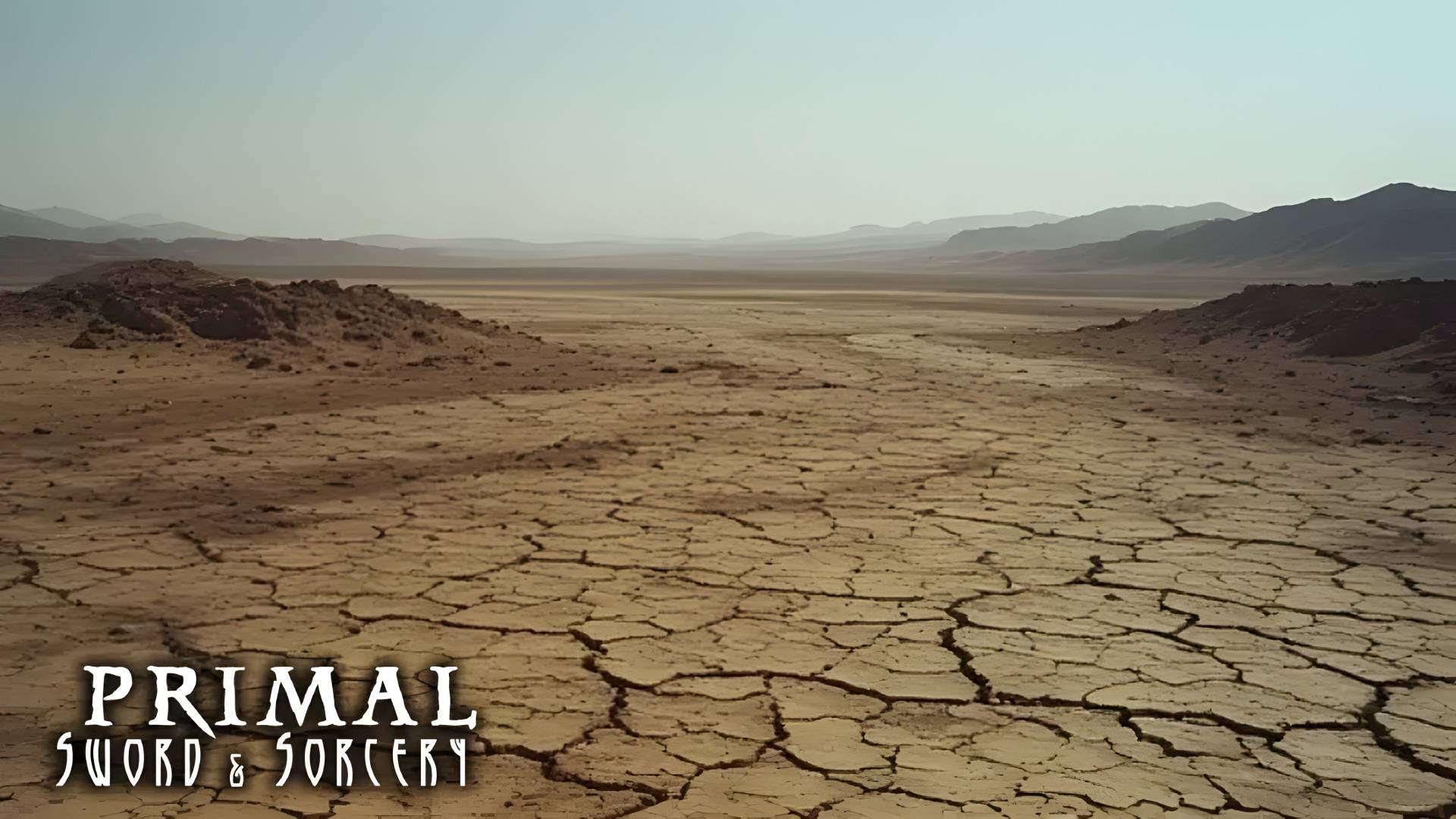
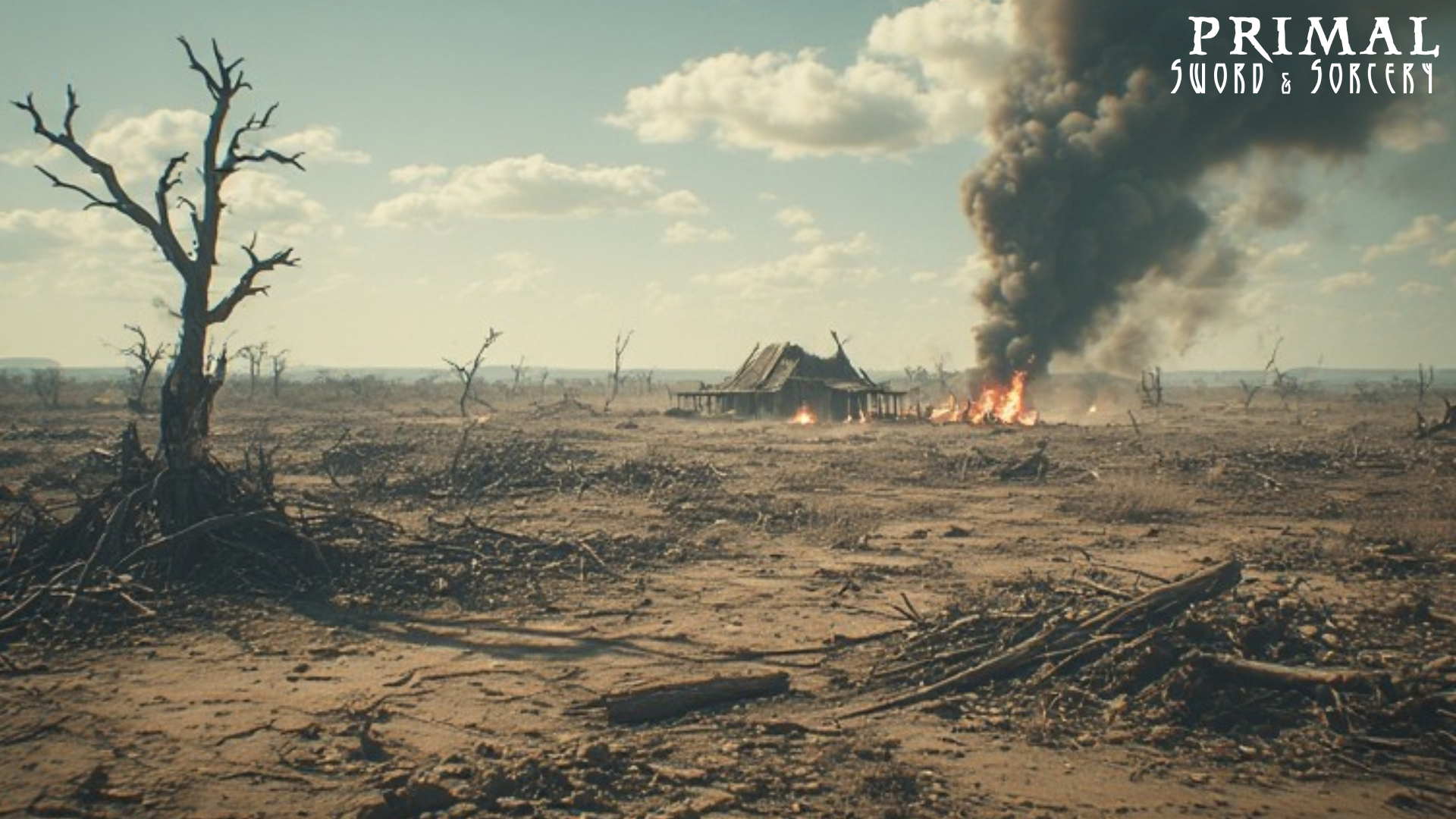
    Yorozh is not a desert in the mortal sense. It is a wound upon the land of Zhuru, a raw volcanic ashland where nothing endures but suffering. The skies split with wild lightning, storms of fire and glass sweeping across the horizon. The ground quakes and collapses without warning, swallowing whole caravans into the abyss.

    Few dare to linger. Yorozh is not so much lived in as crossed, and even that is folly. Among those who haunt its wastes are only predators: raiders who strike from shifting camps, cannibals who feed upon the weak, and slavers who hunt not to settle but to drag captives elsewhere. Their rule is simple: preparedness and speed. Cross quickly, stay alert, never show weakness—for the moment one stumbles, Yorozh claims them.

    Before the first Cataclysm, maps speak of this land as a chain of tropical palatial isles. Whatever god or disaster tore Zhuru, Yorozh was inverted, remade into torment. Its present is not ruin but inversion, beauty made into mockery.

    Now, The water of Yorozh completes the lie. What little liquid gathers in fissures, slag-basins, or wind-scoured hollows is not life but solvent—alkaline, metallic, and venomous. It strips flesh from tongue and gut, burns the throat, and leaves those desperate enough to drink it writhing in hours-long agony before death or madness claims them.

    Nothing drinks freely here except insects, and even they are monstrous distortions: scorpions the size of shields with glassy stingers dripping paralytic venom; flies as large as fists whose bites lay eggs beneath the skin; ants that swarm in living carpets, their mandibles injecting poison that liquefies tissue from within. Every crawling thing is parasitic, every winged thing toxic, all of them thriving on rot, ash, and suffering as if the land itself breeds them with intent.

    Yet even this seems merciful when the storms come. The sandstorms of Yorozh are not wind but annihilation—walls of ash, salt, and volcanic grit driven by shrieking gales. Lightning does not strike; it scours, ripping through the sky in horizontal sheets, melting solid rock where it crawls, turning stone into slag and glass. Within these tempests fly shards of silica, inch-long knives honed to razor edges, flensed from the dead bed of a small inland sea that once existed here long before the Cataclysm.

    Its salt now rides the storm, cutting flesh to ribbons, scouring bone bare in moments. Caravans caught within are not buried but erased, reduced to red mist and scattered remains. When the storm passes, the ground is smooth again, as if nothing ever crossed it—Yorozh cleans its wounds by killing anything foolish enough to witness them.


    IN PRODUCTION

    • Terrors of Yorozh
    • Death & The Endless Desert
    • New Jantara
    • The Jackalands of Yorozh

    TALES OF YOROZH

  • Elder Ruselon

    Elder Ruselon


    The Pentapolis of Civilization

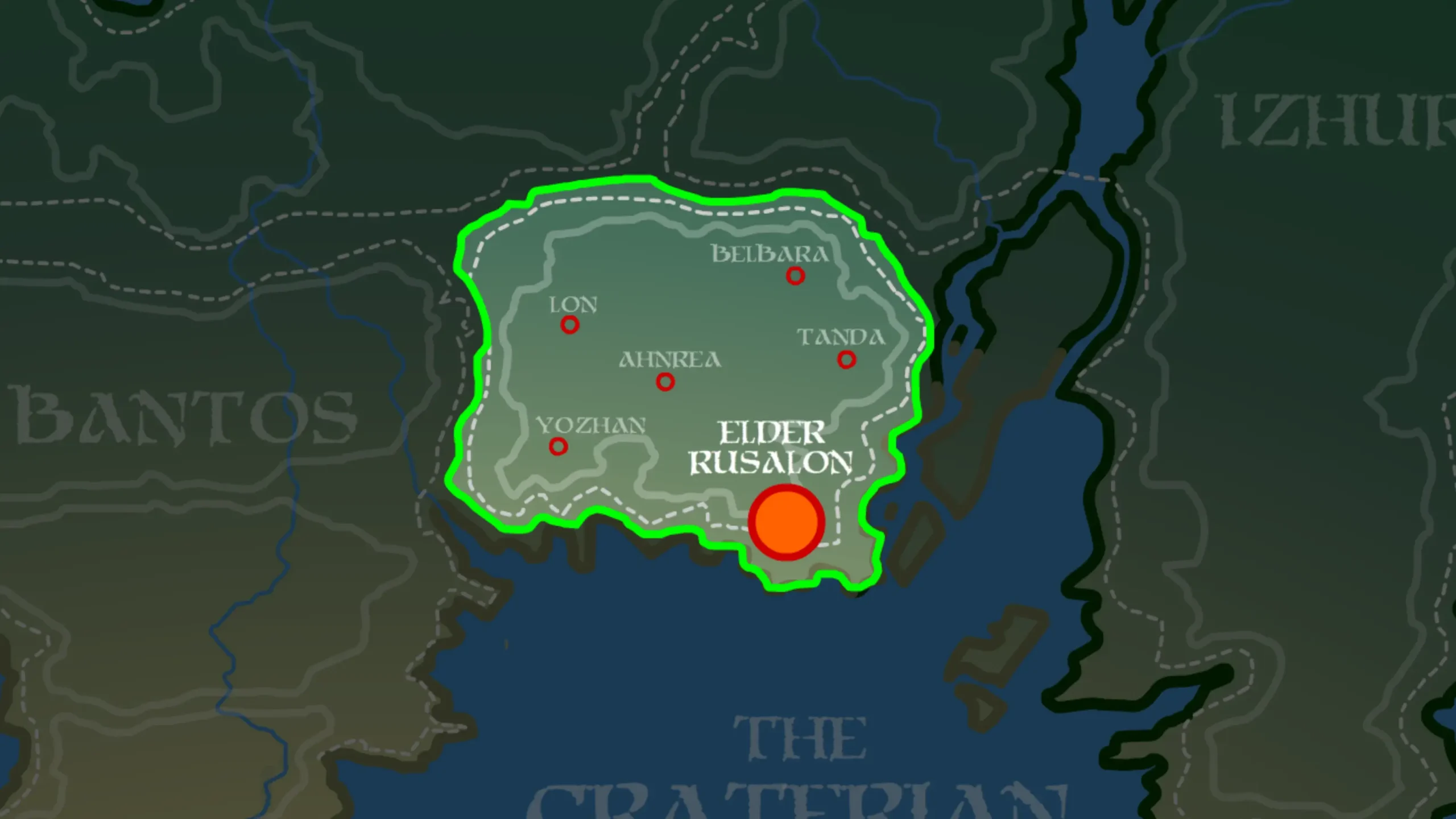
    What is called Elder Ruselon in the modern tongue was not always one city. In ages long past, five separate settlements rose upon the terraces and valleys of the Konara mountains, each claiming its own plateau or basin, each thriving in its own trade or sanctity. Time, commerce, conquest, and cataclysm wore away their walls and distinctions, until one by one they joined, converging into the single greatest hub of civilization the world has ever known. To understand Ruselon, one must first understand its five ancestral hearts.


    Jeros, the City of Gardens

    Nima Plateau

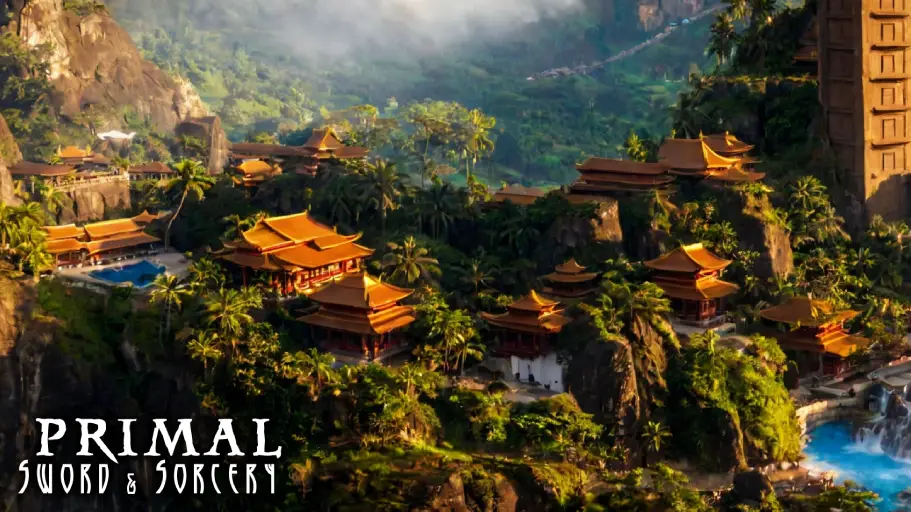
    Jeros was the oldest, perched high on the Nima plateau. Known for its wealthy estates, healing shrines, fertility temples, and vast pleasure gardens, it was a place of abundance and ritual. Merchants came to Jeros not to haggle but to heal, to bless their caravans, to leave offerings for fertility. Small businesses thrived on luxury standards, crafting ornaments, oils, and delicacies. Even now, the Jeros district of Ruselon is remembered for its refined air, perfumed courtyards, healing baths, and lush terraces where Ornamented Mares parade as living symbols of continuity.


    Yandia, the City of Records

    Zharam Plateau

    Across the Zharam plateau stood Yandia, a city of markets and memory. Its broad avenues hosted libraries, archives, and banks. Yandia’s markets were famed not only for trade but for knowledge, as scribes, scholars, and money-lenders made it a crossroads of learning and finance. The great Temple of the Sun dominated its skyline, its golden spires blazing at dawn. Yandia also held Ruselon’s first Red Lantern District—its brothels as refined as its banks, its courtesans trained as archivists of pleasure and law alike. Today, Yandia’s legacy lives in Ruselon’s red lantern terraces, its great libraries, and the guild archives that guard both coin and contract.


    Teltos, the Lower City

    Varahya Plateau

    Teltos sprawled across the Varahya plateau, sloping downward into the basin where temperate jungles pressed against the stone. Here dwelled the common folk—the peasants, the artisans, the mule-handlers and caravan drovers.

    Teltos was the city of sweat and earth, feeding the others with its markets and labor. It was said that in Teltos one could hear the pulse of the real Ruselon, the voice of the masses who kept silk flowing, silver mined, and caravans fed. Today, the Teltos quarter remains the Lower City, a place of dense dwellings, jungle markets, and rough vitality, where mercenaries find employment and peasants pray to the same fertility idols as lords above.


    Ruselon, the Elder City

    Elder Plateau

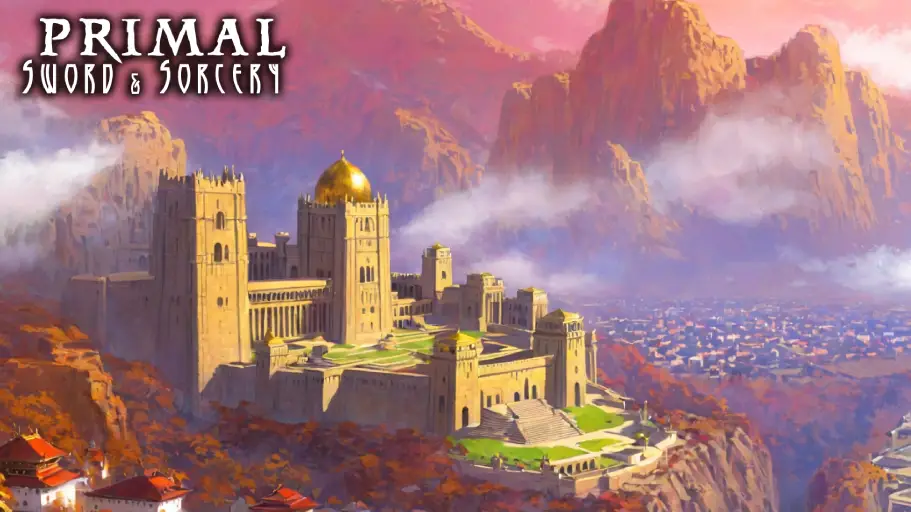
    At the highest elevation rose Ruselon proper, the namesake city, built upon the Elder plateau. This was the city of law and commerce, where contracts were carved, guild charters signed, and judgments passed in the towers of authority. The palaces of equine lords crowned this plateau, their domes and terraces gleaming above all others. Ruselon was the heart of governance, the place from which order radiated outward to bind Jeros, Yandia, and Teltos together. When the names converged, it was the Elder Plateau’s city that lent its name to the whole, so that even now, Elder Ruselon echoes the supremacy of this original seat of law.


    Ibadda, the City of Passage

    Valley Crossroads

    The valley of Ibadda was the channel through which caravans passed to reach the others, and in time it became a city in its own right. Traders, pilgrims, and mercenaries lodged there, feeding an economy of passage. Ibadda was the “fourth city,” the crossroads, where strangers first became part of Ruselon’s tapestry. Its markets were filled with foreign wares, its temples syncretic, its inns rowdy. Though swallowed by the larger metropolis, Ibadda remains the gateway, the valley that all must cross to enter the true body of Ruselon.


    The Convergence

    Over centuries, the five cities lost their borders, growing together until they were one. Trade bound them. Fertility cults bound them. Wars and cataclysms broke their walls and forced them into union. The rivers and waterfalls cut paths between them, and bridges and aqueducts sealed them together. What was once five now became one—the Pentapolis of Civilization, the city so massive and layered that no foreigner could chart it whole.

    Thus Elder Ruselon today is not simply a metropolis but a continent in miniature. To walk its districts is to pass through Jeros’ perfumed gardens, Yandia’s libraries and red lanterns, Teltos’ peasant markets, Ruselon’s palaces of law, and Ibadda’s caravan crossways—all without ever leaving the city.

    It is for this reason that Elder Ruselon is called not merely the City of Silver and Silk, but the Hub of Civilization itself. For within its terraces, the abundance of five ancient cities flows together, and from its balconies, Ornamented Mares flaunt the wealth and fertility of every age.


    IN PRODUCTION

    • The Cities of Elder Ruselon
    • Maps of the Merchants
    • Tziora: A Guide of the Great Pentapolis
  • The City of Vessara

    The City of Vessara

    Vessara sits like a jeweled hive of stone upon the western banks of the Vessarian Sea, where the Zhantian River breaks into a delta of humid mists and flowering mosses. It is the living heart of Izhura, the seat of its trade and wealth, the place where caravans from the Zhuru heartlands and ships from the Craterian ports all empty their wares into its layered streets. Every road in the east seems to lead to its gates, and every merchant tongue finds some echo in its markets. Yet for all its bustle and brilliance, Vessara remains deeply Izhuran—proud, humid, rain-soaked, carved from stone and willpower rather than gilded affectation.

    The city’s rain is constant, almost ritual. It falls in silver veils over the rooftops, feeding the moss that creeps along carved balustrades and temple walls. Every Izhuran learns to walk with head high and cloak heavy; every foreigner learns to dread the first week’s chill. Because of this endless downpour, Vessara shines—its stones polished smooth by centuries of rain and hoof, its canals swollen and alive. Where other cities rot in dampness, Vessara thrives. The folk say the rain is the city’s soul, washing away blood, debt, and dust, leaving only strength behind.

    The construction of the city mirrors its society: two layers, stacked like pride upon labor. The noble layer rises above the lower streets, supported by vast stone arches and ancient foundations whose builders’ names are long forgotten. Up there lie the palaces of the merchant princes, the marble pleasure halls where contracts are signed and undone between moans and music, the vaults of the old families, the perfumed lounges of the banking guilds, and the academies where scribes tally the ledgers of the world. Lanterns never dim in that upper tier; silks never dry; the laughter of the noble-born drips down through the gutters like the rain itself.

    Beneath it sprawls the common layer—alive, crowded, raw. The air is thicker here, scented with smoke, wine, and wet fur. Here dwell the stablehands, the masons, the cooks, the courtesans. Here are the coin-houses where debts change hands faster than cards, the fighting pits where the bored heirs come to forget themselves, the inns of the caravanners, the shrines of the river gods. The brothels, too, are here—famous, or infamous, depending on whom you ask. The Izhuran mares who run them are known for their frankness and their skill; it is said that a warrior may come to Vessara with blood still on his claws and find absolution before dawn. No shame clings to such commerce; it is as much a part of the city’s breath as trade itself.

    Vessara’s people are proud of their insularity. They do not fawn over outsiders, nor do they waste courtesy on those who expect it. Foreigners from the elder provinces—lion envoys, wolf mercenaries, jackal scribes—are treated with formality, but they are never quite of the place. The streets were built for hooves, not paws or claws. The taverns serve fermented grains rather than bloodwine or spiced meat. The tongue of the city is musical but clipped, as though every word carries an unspoken reminder: you are in Izhura now.

    To the west lies Elder Ruselon, older, grander, and forever in friendly rivalry. Ruselon is the city of masks and embassies, of perfumed trade pavilions and five shining harbors, where the outside world comes to drink from the cup of Izhuran civility. Vessara is different—closer to the source, less polished, more dangerous. It is not an international showcase but a living citadel of the horse folk’s will. The rain, the stone, the rhythm of hoof and hammer—these things belong to them and them alone. Outsiders can trade here, even prosper here, but they will never understand how deeply the city breathes.

    At night the upper terraces glow with amber light while below, in the steam of the lower alleys, the songs rise: gamblers shouting, lovers whispering, the clash of metal in the pit. It is a city of appetite as much as commerce, of ambition bound to pleasure. A city that rewards those who climb, and forgets those who fall. Every street has its saint and its ghost, every canal its offering bowl. And through it all, the rain continues—steady, eternal, as if the gods themselves cannot stop watching their favorite city.


    IN PROGRESS

    • Life In Vessara
    • On The Grassland Courts
  • The Kingdoms of Vessara

    The Kingdoms of Vessara


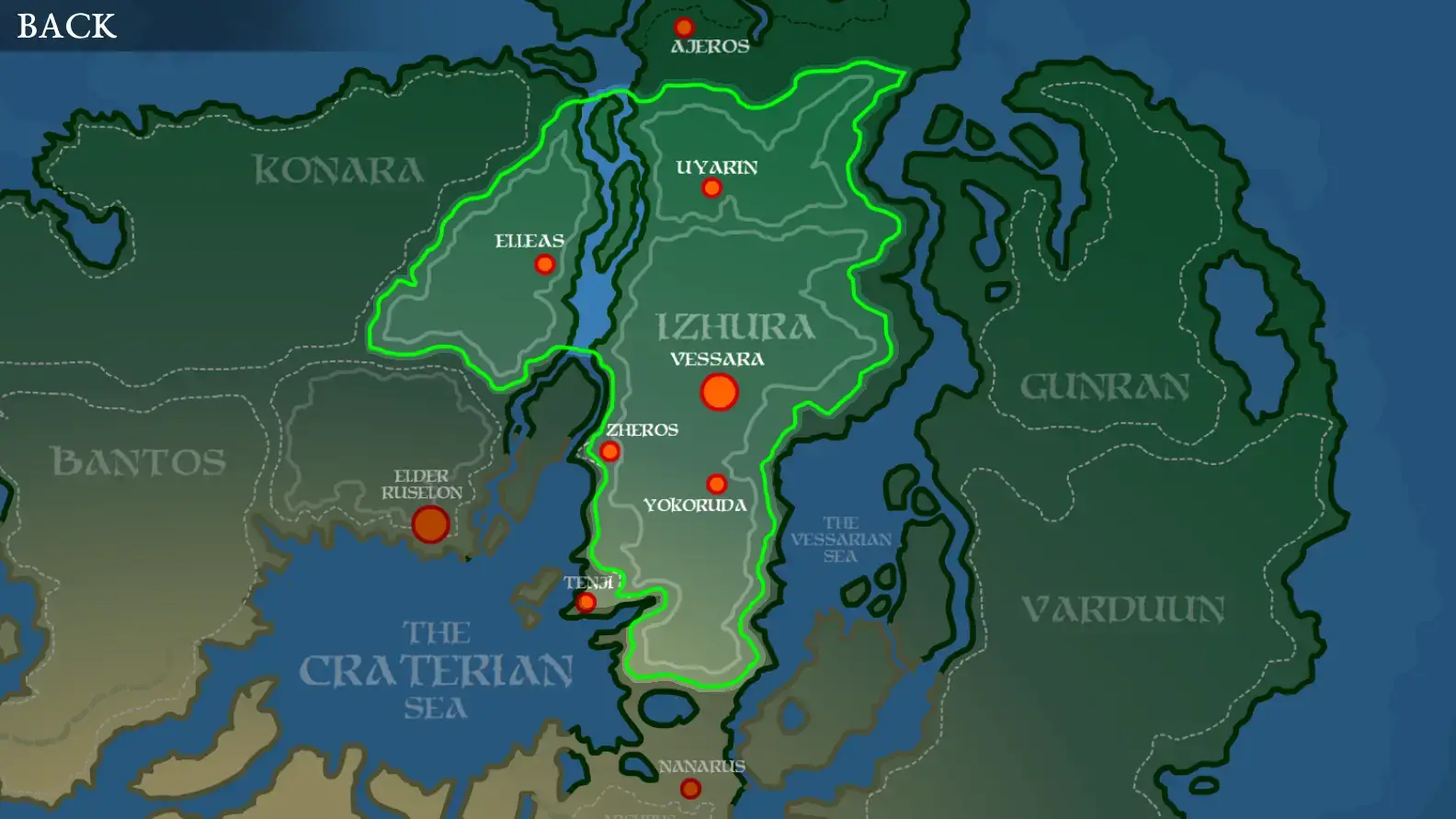
    South of Uyarin and running through the realm’s middle is Vessara, the heartland of Izhura, where the courts cluster, the grass runs high, and the old ways are most vigorously preserved. This is what most outsiders imagine when they hear the name Izhura: broad fields, open sky, banners fluttering from low halls, the sound of hooves carrying messages and warriors between villages. Population is denser, though by the standards of the continent still thin, and agriculture thrives where the soil is deep and the wind is allowed to run.

    Zheros is the great knot of the realm, tying together the northern border with the wider grasslands. It serves as a capital not just in name but in function—a place where deals are made, disputes settled, and alliances forged. Further south lies Yokoruda, another vital node, and at the southern tip stands Tenji, a port whose history is a microcosm of Izhuran pragmatism.

    Two generations ago, Tenji was an independent, quarrelsome southern outpost—a place whose captains played both sides of every argument and flirted with any passing power that might offer an advantage. Zheros solved the problem not through conquest, but with coin, negotiation, and a blunt understanding that the realm needed unity more than pride. Tenji was purchased, its debts assumed, its leaders bought out or absorbed, and the result was a single unbroken corridor running from the northern forests to the southern sea.

    This unity matters. The great roads of Izhura now flow without interruption, and the southern lands, once a source of headaches, now contribute fully to the realm’s stability. Caravans move more freely, taxes are more predictable, and, most importantly, the entire heartland can act with greater speed and cohesion in the face of crisis.

    Vessara is a land of rituals and spectacle. Where Uyarin hides its villages, Vessara raises them up, proud and visible. The courts compete in all things—horseflesh, weaponcraft, music, and the subtle games of politics. A culture of pride persists here, rooted in the knowledge that whoever controls the central grassland commands the fate of all Izhura.

    Even the smallest court knows that the wealth of east and west, north and south, passes through Vessara’s fields. Yet, for all its confidence, the central kingdom is always aware of its position: open, exposed, and vital. There is no luxury in weakness; the plains must be defended, alliances maintained, and the old customs kept alive lest the realm become just another forgotten patch on the map.


    CITIES OF VESSARA


    IN PRODUCTION

    • Maps of All Levels
    • Music from Bards & Brothels alike
    • Tales of Guile and Grit, Swagger and Sultry Excess!
    • NPCs for your Campaign or Story

    IN DEVELOMENT

    • The Keys to the City of Silver
  • The City of Uyarin

    The City of Uyarin

    The City of Uyarin stands as the rare heart of stability in the north, its stone walls the promise of continuity and order pressed up against a land that does not forgive weakness. The city’s two-tiered defenses—outer and inner ramparts of quarried stone, thick and weathered—form a broken circle atop the last high ridge before the world drops away into the swaying, perpetual jungle.

    The Southern Grasslands of Vessara. Open pastoral greenery leads to larger cities and proper Izhuran commerce.

    To the south, the open grasslands stretch in gentle rolls, a sunlit inheritance; to the north, the tree line marks the border of dread, mist always swirling where Yir’s forest presses in. Here, on this ancient divide, Uyarin was raised not as a sprawl but as a fortress, its walls as much a declaration as a defense.

    Unlike the scattered settlements of the marches, the city is a place of real comfort, coveted by every family whose wealth or loyalty secures them a stake within its walls. Stone-paved streets remain dry when the rains come. The market quarter bustles beneath tiled roofs where mold is kept at bay and the scent of trade—timber, grain, resin, cut herbs—cuts through the humid air. Rows of houses, built close for safety, huddle around shaded courtyards. Water flows from deep, mineral-rich springs tunneled beneath the city and emerges in public basins, their surfaces cool and unclouded.

    Uyarin’s dual-wall system is no mere vanity. The outer wall, broad and walkable, is garrisoned day and night, its towers placed to command every approach—whether from jungle, river, or the grassy southern roads. Within this circuit stands the higher, older inner wall, encasing the oldest heart of the city: the high court, the old council hall, and the armories that stock the region’s best weapons and stores. In times of peril, every street and alley is mapped for retreat, every family drilled in which gate to run for if the northern mists roll too thick or a shadow comes down from Yir. Refugees from failed outlying villages are sometimes housed in the city’s lower wards, adding to its uneasy dynamism and the sharp distinction between old families and the newly admitted.

    The Cities Northern Walls keep out the many strange terrors of mist-haunted Yir.

    As capital and city-state, Uyarin is both seat and symbol. Its councilors draw their power from tradition—land rights, martial service, oaths of loyalty to Izhura’s greater courts—but also from the hard-won peace and prosperity within the city’s walls. Rituals of season and sacrifice are observed not in secret but on the broad stone platforms at the city’s heart, where even the most jaded citizen is reminded that all comfort here is conditional, all safety the result of vigilance.

    Southron courtiers, posted north by whim or exile, come to find in Uyarin a city of hidden pleasures: the rare clean room, the flavor of wild fruit, the sense that life here is balanced between hazard and haven.

    For those born to its streets, Uyarin is more than sanctuary; it is proof that the northern edge can be claimed, made beautiful, and held, if only for a little while before the wild reminds the folk of Izhura whose claim truly endures.


    IN PRODUCTION

    • The Gates of Yir
    • Birds of the North
    • The Arboreal Wars