Category: Continents

  • The City of Vessara

    The City of Vessara

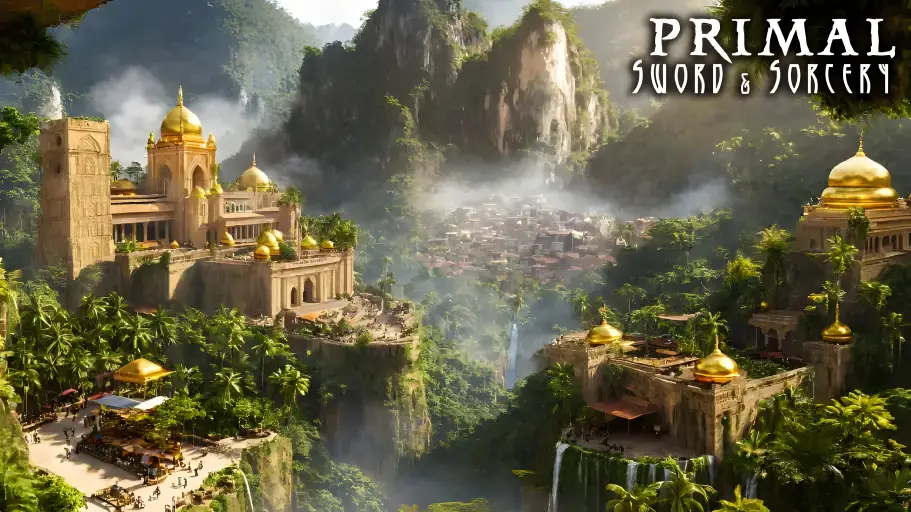
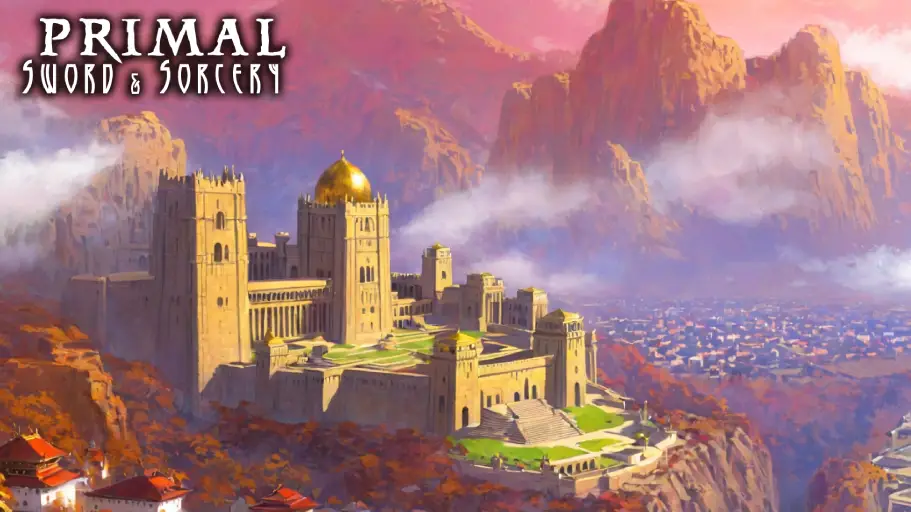
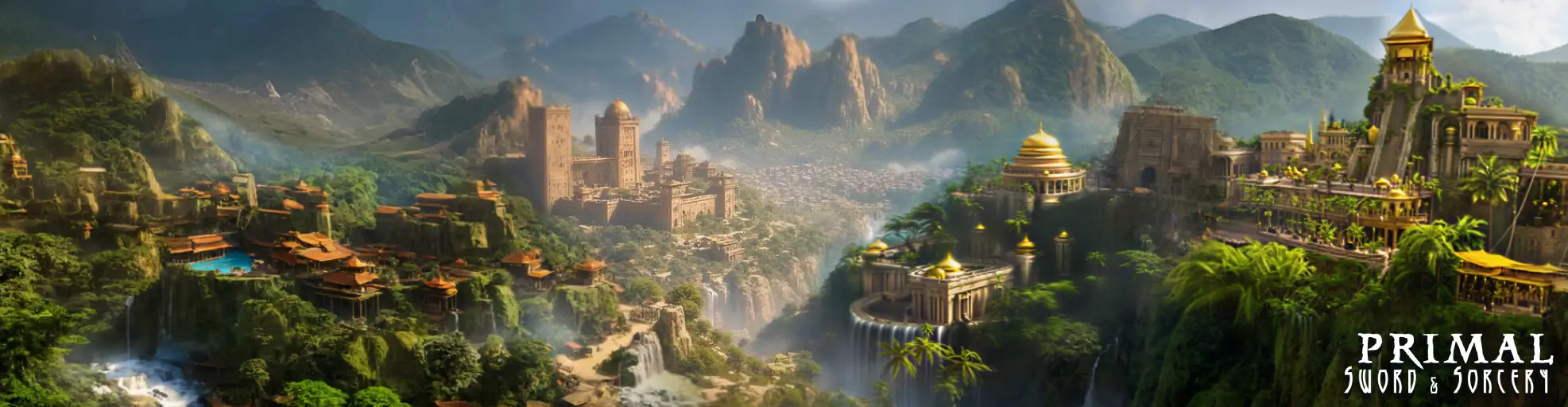
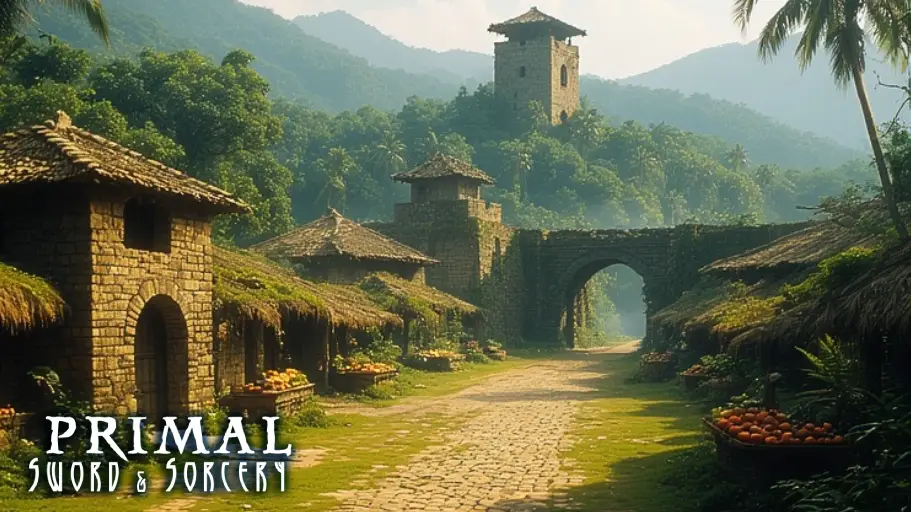
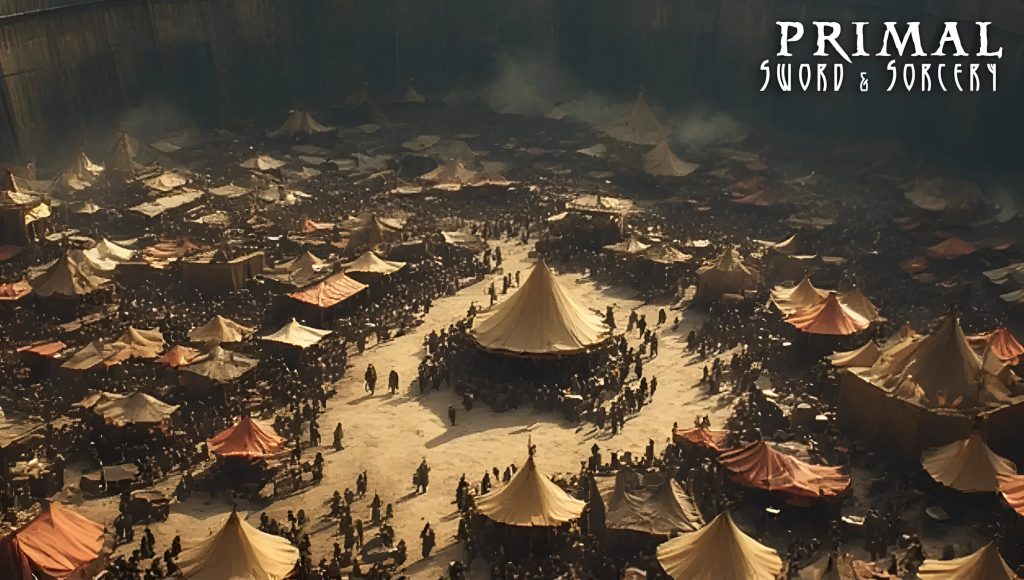
    Vessara sits like a jeweled hive of stone upon the western banks of the Vessarian Sea, where the Zhantian River breaks into a delta of humid mists and flowering mosses. It is the living heart of Izhura, the seat of its trade and wealth, the place where caravans from the Zhuru heartlands and ships from the Craterian ports all empty their wares into its layered streets. Every road in the east seems to lead to its gates, and every merchant tongue finds some echo in its markets. Yet for all its bustle and brilliance, Vessara remains deeply Izhuran—proud, humid, rain-soaked, carved from stone and willpower rather than gilded affectation.

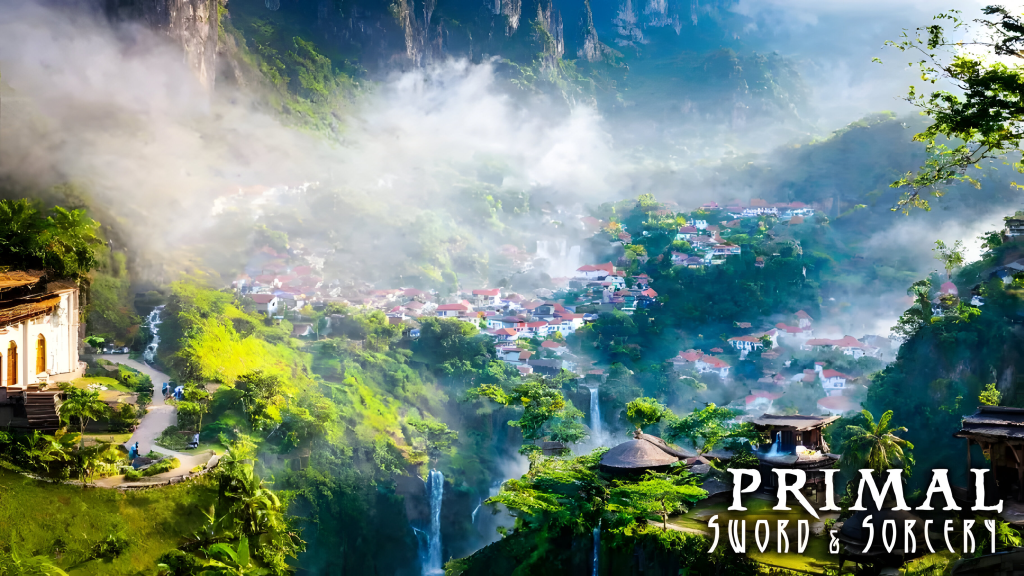
    The city’s rain is constant, almost ritual. It falls in silver veils over the rooftops, feeding the moss that creeps along carved balustrades and temple walls. Every Izhuran learns to walk with head high and cloak heavy; every foreigner learns to dread the first week’s chill. Because of this endless downpour, Vessara shines—its stones polished smooth by centuries of rain and hoof, its canals swollen and alive. Where other cities rot in dampness, Vessara thrives. The folk say the rain is the city’s soul, washing away blood, debt, and dust, leaving only strength behind.

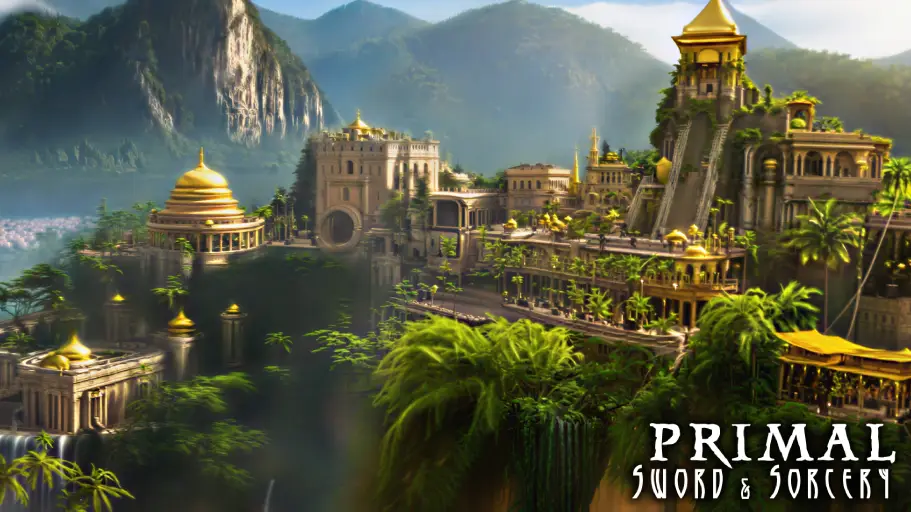
    The construction of the city mirrors its society: two layers, stacked like pride upon labor. The noble layer rises above the lower streets, supported by vast stone arches and ancient foundations whose builders’ names are long forgotten. Up there lie the palaces of the merchant princes, the marble pleasure halls where contracts are signed and undone between moans and music, the vaults of the old families, the perfumed lounges of the banking guilds, and the academies where scribes tally the ledgers of the world. Lanterns never dim in that upper tier; silks never dry; the laughter of the noble-born drips down through the gutters like the rain itself.

    Beneath it sprawls the common layer—alive, crowded, raw. The air is thicker here, scented with smoke, wine, and wet fur. Here dwell the stablehands, the masons, the cooks, the courtesans. Here are the coin-houses where debts change hands faster than cards, the fighting pits where the bored heirs come to forget themselves, the inns of the caravanners, the shrines of the river gods. The brothels, too, are here—famous, or infamous, depending on whom you ask. The Izhuran mares who run them are known for their frankness and their skill; it is said that a warrior may come to Vessara with blood still on his claws and find absolution before dawn. No shame clings to such commerce; it is as much a part of the city’s breath as trade itself.

    Vessara’s people are proud of their insularity. They do not fawn over outsiders, nor do they waste courtesy on those who expect it. Foreigners from the elder provinces—lion envoys, wolf mercenaries, jackal scribes—are treated with formality, but they are never quite of the place. The streets were built for hooves, not paws or claws. The taverns serve fermented grains rather than bloodwine or spiced meat. The tongue of the city is musical but clipped, as though every word carries an unspoken reminder: you are in Izhura now.

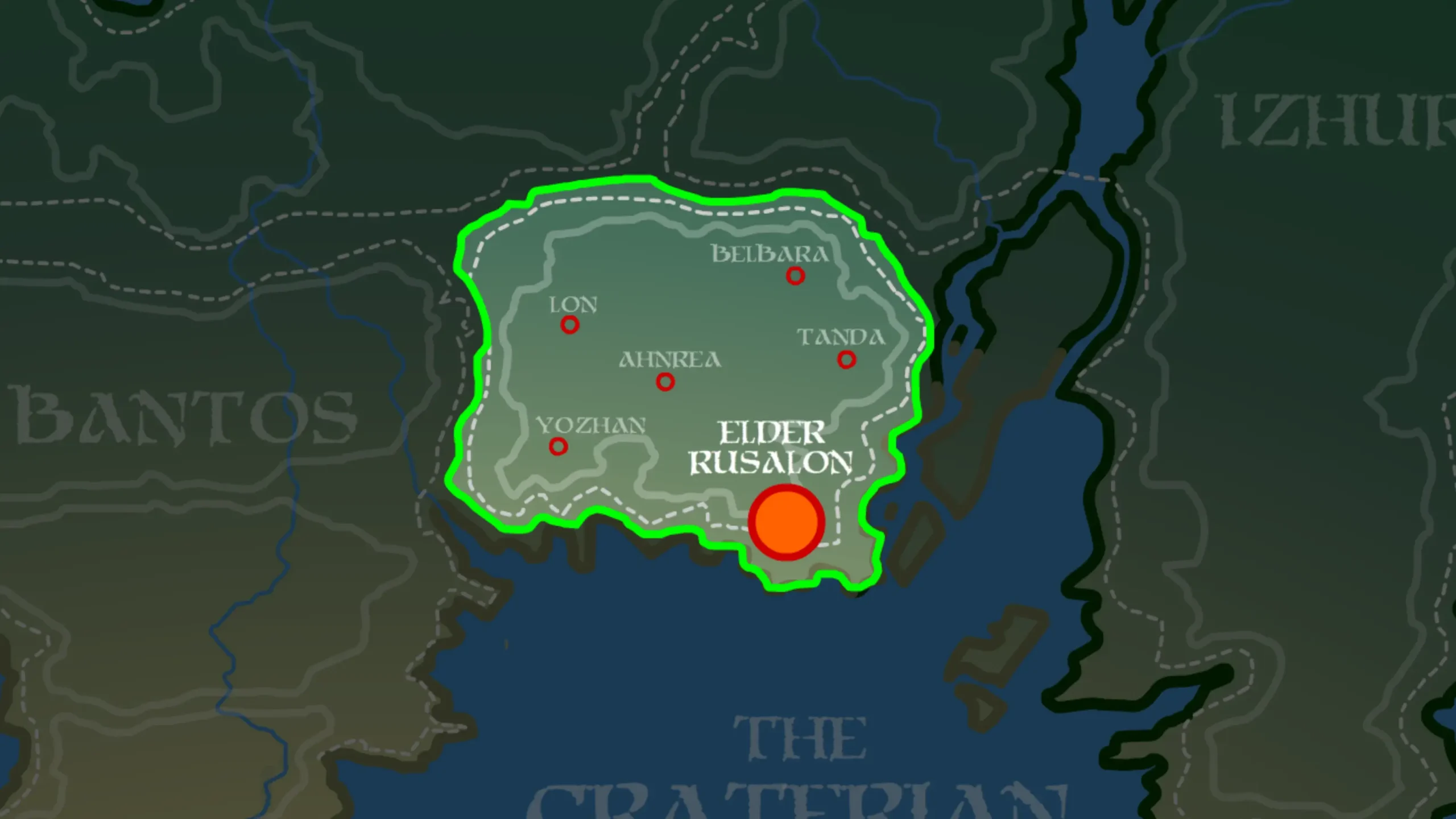
    To the west lies Elder Ruselon, older, grander, and forever in friendly rivalry. Ruselon is the city of masks and embassies, of perfumed trade pavilions and five shining harbors, where the outside world comes to drink from the cup of Izhuran civility. Vessara is different—closer to the source, less polished, more dangerous. It is not an international showcase but a living citadel of the horse folk’s will. The rain, the stone, the rhythm of hoof and hammer—these things belong to them and them alone. Outsiders can trade here, even prosper here, but they will never understand how deeply the city breathes.

    At night the upper terraces glow with amber light while below, in the steam of the lower alleys, the songs rise: gamblers shouting, lovers whispering, the clash of metal in the pit. It is a city of appetite as much as commerce, of ambition bound to pleasure. A city that rewards those who climb, and forgets those who fall. Every street has its saint and its ghost, every canal its offering bowl. And through it all, the rain continues—steady, eternal, as if the gods themselves cannot stop watching their favorite city.


    IN PROGRESS

    • Life In Vessara
    • On The Grassland Courts
  • The Kingdoms of Vessara

    The Kingdoms of Vessara


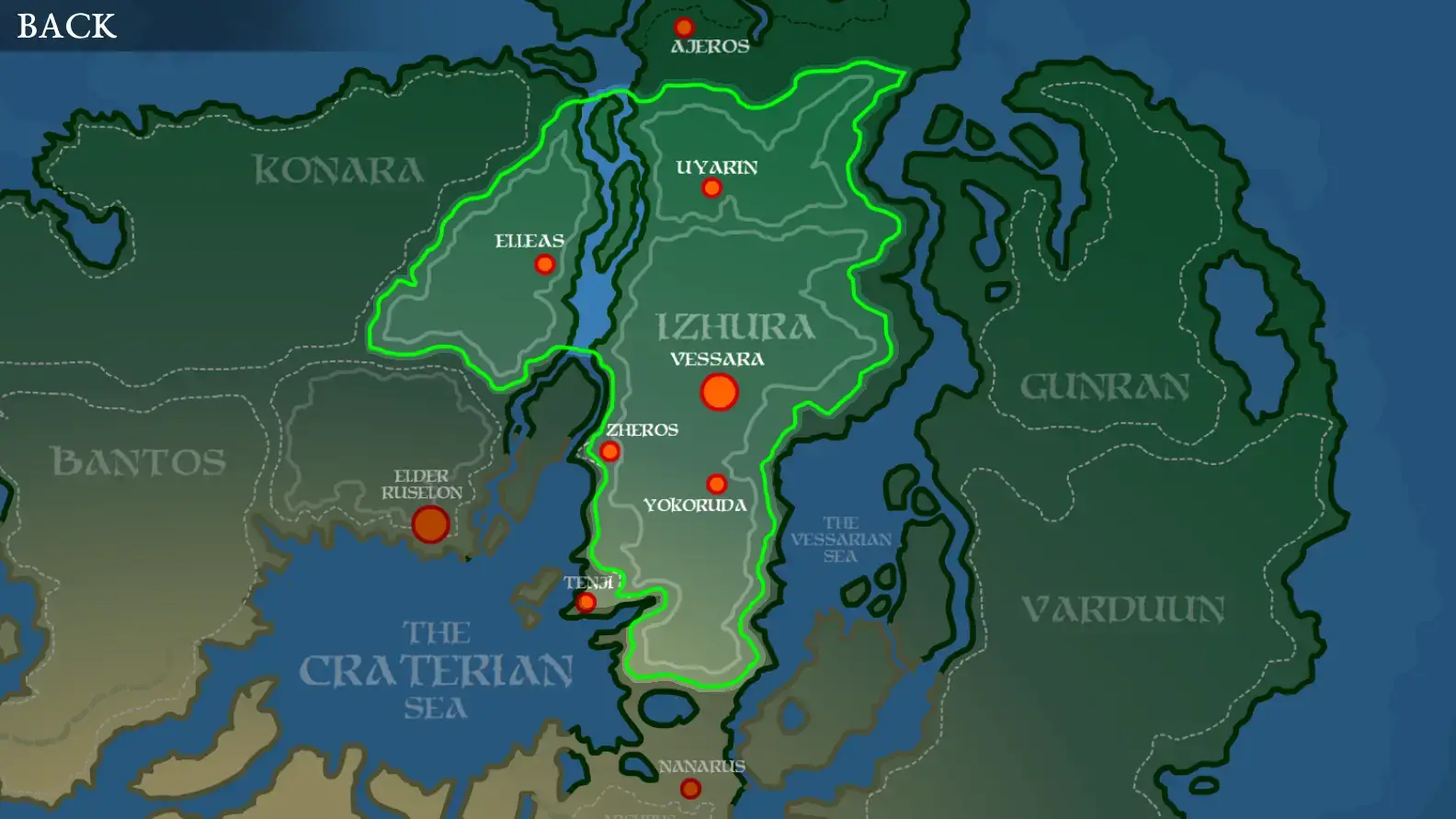
    South of Uyarin and running through the realm’s middle is Vessara, the heartland of Izhura, where the courts cluster, the grass runs high, and the old ways are most vigorously preserved. This is what most outsiders imagine when they hear the name Izhura: broad fields, open sky, banners fluttering from low halls, the sound of hooves carrying messages and warriors between villages. Population is denser, though by the standards of the continent still thin, and agriculture thrives where the soil is deep and the wind is allowed to run.

    Zheros is the great knot of the realm, tying together the northern border with the wider grasslands. It serves as a capital not just in name but in function—a place where deals are made, disputes settled, and alliances forged. Further south lies Yokoruda, another vital node, and at the southern tip stands Tenji, a port whose history is a microcosm of Izhuran pragmatism.

    Two generations ago, Tenji was an independent, quarrelsome southern outpost—a place whose captains played both sides of every argument and flirted with any passing power that might offer an advantage. Zheros solved the problem not through conquest, but with coin, negotiation, and a blunt understanding that the realm needed unity more than pride. Tenji was purchased, its debts assumed, its leaders bought out or absorbed, and the result was a single unbroken corridor running from the northern forests to the southern sea.

    This unity matters. The great roads of Izhura now flow without interruption, and the southern lands, once a source of headaches, now contribute fully to the realm’s stability. Caravans move more freely, taxes are more predictable, and, most importantly, the entire heartland can act with greater speed and cohesion in the face of crisis.

    Vessara is a land of rituals and spectacle. Where Uyarin hides its villages, Vessara raises them up, proud and visible. The courts compete in all things—horseflesh, weaponcraft, music, and the subtle games of politics. A culture of pride persists here, rooted in the knowledge that whoever controls the central grassland commands the fate of all Izhura.

    Even the smallest court knows that the wealth of east and west, north and south, passes through Vessara’s fields. Yet, for all its confidence, the central kingdom is always aware of its position: open, exposed, and vital. There is no luxury in weakness; the plains must be defended, alliances maintained, and the old customs kept alive lest the realm become just another forgotten patch on the map.


    CITIES OF VESSARA


    IN PRODUCTION

    • Maps of All Levels
    • Music from Bards & Brothels alike
    • Tales of Guile and Grit, Swagger and Sultry Excess!
    • NPCs for your Campaign or Story

    IN DEVELOMENT

    • The Keys to the City of Silver
  • The City of Uyarin

    The City of Uyarin

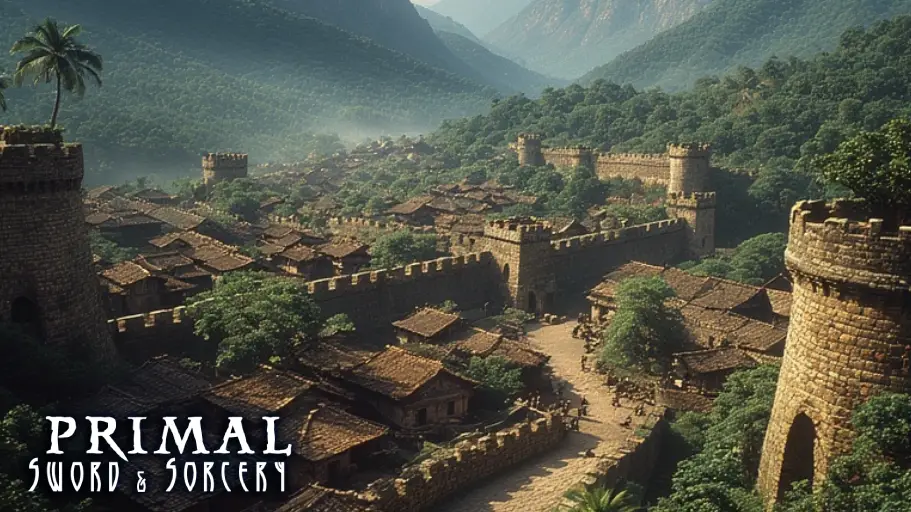
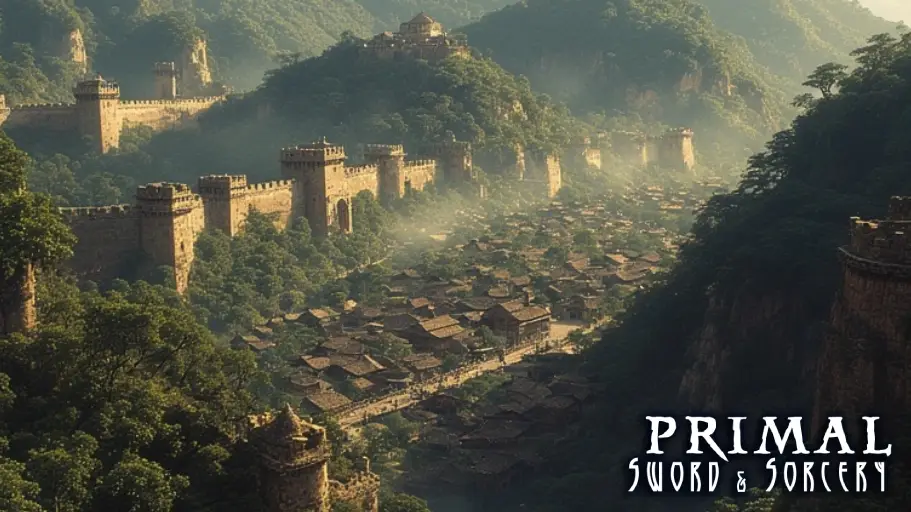
    The City of Uyarin stands as the rare heart of stability in the north, its stone walls the promise of continuity and order pressed up against a land that does not forgive weakness. The city’s two-tiered defenses—outer and inner ramparts of quarried stone, thick and weathered—form a broken circle atop the last high ridge before the world drops away into the swaying, perpetual jungle.

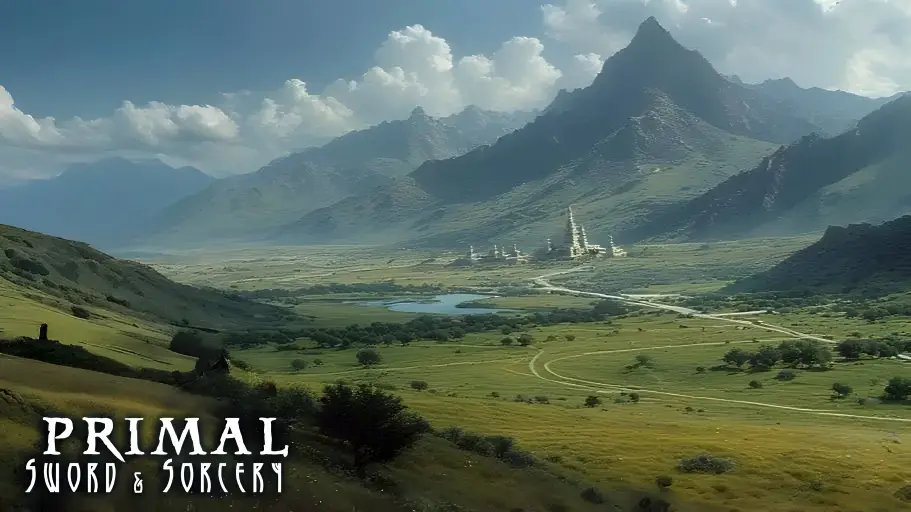
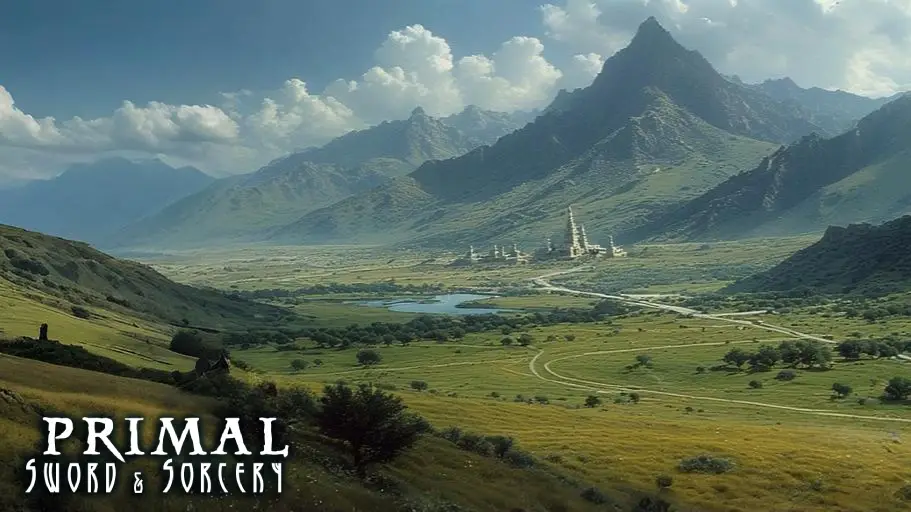
    The Southern Grasslands of Vessara. Open pastoral greenery leads to larger cities and proper Izhuran commerce.

    To the south, the open grasslands stretch in gentle rolls, a sunlit inheritance; to the north, the tree line marks the border of dread, mist always swirling where Yir’s forest presses in. Here, on this ancient divide, Uyarin was raised not as a sprawl but as a fortress, its walls as much a declaration as a defense.

    Unlike the scattered settlements of the marches, the city is a place of real comfort, coveted by every family whose wealth or loyalty secures them a stake within its walls. Stone-paved streets remain dry when the rains come. The market quarter bustles beneath tiled roofs where mold is kept at bay and the scent of trade—timber, grain, resin, cut herbs—cuts through the humid air. Rows of houses, built close for safety, huddle around shaded courtyards. Water flows from deep, mineral-rich springs tunneled beneath the city and emerges in public basins, their surfaces cool and unclouded.

    Uyarin’s dual-wall system is no mere vanity. The outer wall, broad and walkable, is garrisoned day and night, its towers placed to command every approach—whether from jungle, river, or the grassy southern roads. Within this circuit stands the higher, older inner wall, encasing the oldest heart of the city: the high court, the old council hall, and the armories that stock the region’s best weapons and stores. In times of peril, every street and alley is mapped for retreat, every family drilled in which gate to run for if the northern mists roll too thick or a shadow comes down from Yir. Refugees from failed outlying villages are sometimes housed in the city’s lower wards, adding to its uneasy dynamism and the sharp distinction between old families and the newly admitted.

    The Cities Northern Walls keep out the many strange terrors of mist-haunted Yir.

    As capital and city-state, Uyarin is both seat and symbol. Its councilors draw their power from tradition—land rights, martial service, oaths of loyalty to Izhura’s greater courts—but also from the hard-won peace and prosperity within the city’s walls. Rituals of season and sacrifice are observed not in secret but on the broad stone platforms at the city’s heart, where even the most jaded citizen is reminded that all comfort here is conditional, all safety the result of vigilance.

    Southron courtiers, posted north by whim or exile, come to find in Uyarin a city of hidden pleasures: the rare clean room, the flavor of wild fruit, the sense that life here is balanced between hazard and haven.

    For those born to its streets, Uyarin is more than sanctuary; it is proof that the northern edge can be claimed, made beautiful, and held, if only for a little while before the wild reminds the folk of Izhura whose claim truly endures.


    IN PRODUCTION

    • The Gates of Yir
    • Birds of the North
    • The Arboreal Wars
  • The City-State of Uyarin

    The City-State of Uyarin


    The northern marches of Izhura are claimed by Uyarin, a region that lies in uneasy proximity to the mist-haunted wilds of Yir. It is a land defined by its forests: old, thick, and deeply suspicious of the hoofed intruders who attempt to civilize their edges. Settlement here is hard-won and always provisional.


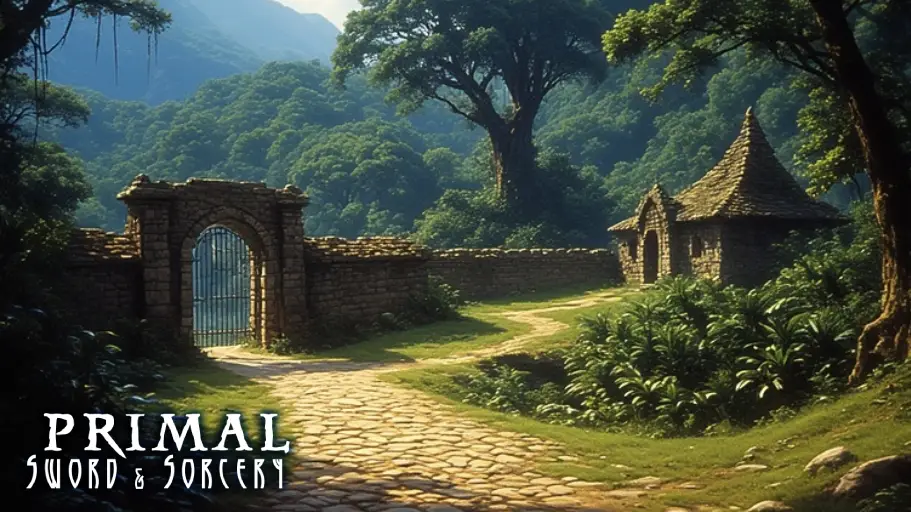
    Regions of Uyarin are maintained and secured with iron gates. Trade Routes are opened by necessity but fallback positions abound for those on foot.

    Where the grasslands of central Izhura invite courts and broad training fields, Uyarin’s land is tight, muddy, and easily reclaimed by the woods. Horse folk build their villages in drier pockets, but the trees press close and never let anyone forget that the forest is only ever half-defeated.

    The climate itself is a challenge for those whose bloodlines were bred for the open grass. The air is heavy with moisture, and the mist that seeps down from the north lingers over fields, wood, and skin alike. Hooves rot, harnesses mildew, and lungs seem to never quite dry.


    Families from the central plains who are posted north to administer these borderlands rarely last more than a generation before being replaced by locals hardened by necessity and familiar with the silent threats that prowl the forests.

    Population is thin by design, not for lack of resources but for safety. When villages grow too large, they draw the attention of things that come down from Yir, whether beast, spirit, or something unnamed.

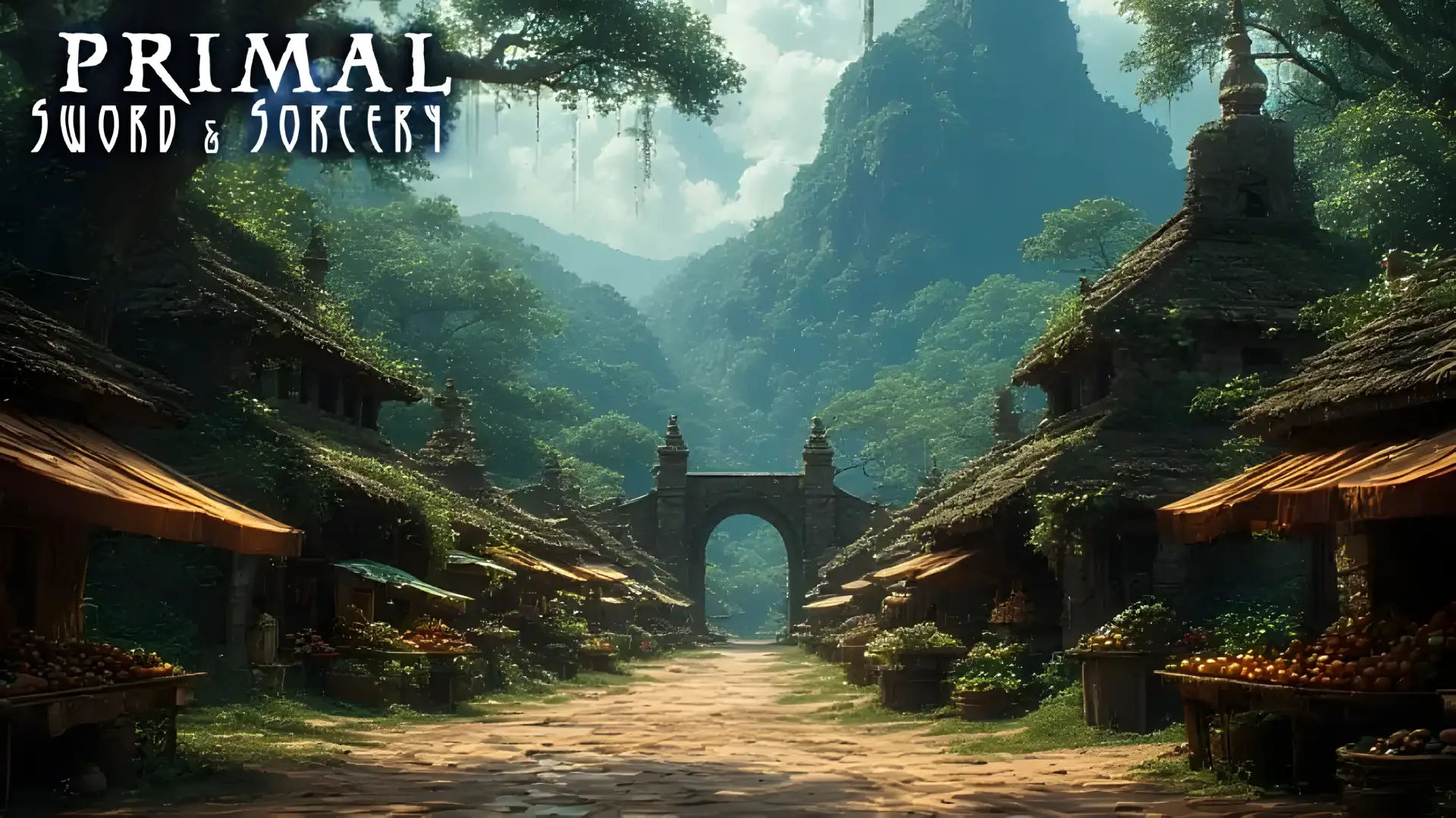
    Trade Outposts have cobblestone roads and guarded turrets, but they only cover a very small region of the terrain.

    The details of those threats are left unspoken, memorialized instead in warnings, curses, and nervous tics: sudden silences at night, prayers muttered over muddy hoofprints, the tightening of a patrol’s line when fog presses in from the trees. As a result, Uyarin is a patchwork of small settlements, each connected by trails rather than roads, and each built with the knowledge that evacuation might one day be necessary. Despite these hardships, Uyarin’s folk are fiercely proud of their claim to Izhura’s northern edge.They are accustomed to hardship and to fighting for every patch of cleared land.

    The rest of Izhura is always aware of the quiet sacrifices made here—though they might only remember it when Uyarin’s warriors ride south to reinforce the courts or when their grain and timber, brought at high risk, flow downriver to feed the rest of the realm.


    CITIES OF UYARIN


    IN PRODUCTION

    • The Beasts of Yif
    • Uyarin’s Bounty
    • Trade Reports for The Bold
  • The Empires of Gamandor

    The Empires of Gamandor

    Gamandor is a continent not of unity, but of relentless tension—divided along three lines so deep they run like fault scars through the land and its history. Its empires are not siblings but sworn enemies, forced by geography and fate into a perpetual truce they despise, each gnawing at the edges of the others, each dreaming of a dawn when the other two will at last be ashes.

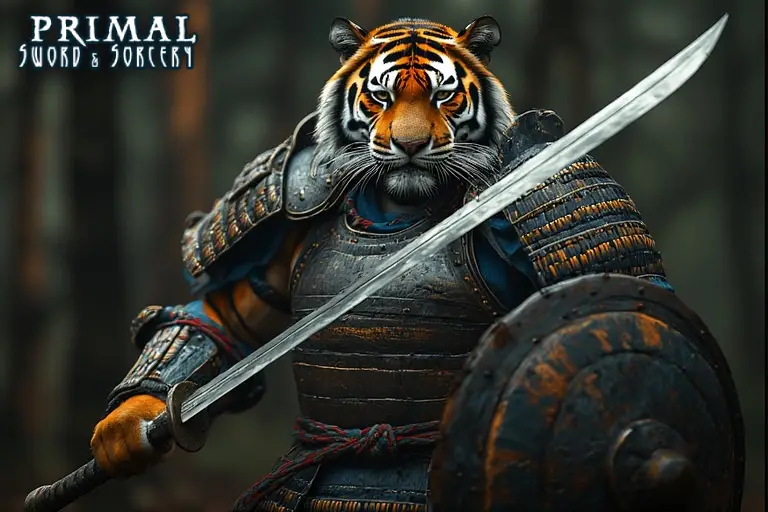
    A Tiger Guard of Shun’Jirin

    To the west, the Tiger Empire endures in ruined majesty on black coasts and sodden cliffs. Their lands collapse year by year into the hungry sea, and their cities, perched precariously above the surf, are as infamous for intrigue as for sorcery. Tigers are architects of secrecy and patience—subversive by instinct, sorcerous by tradition, their courts shrouded in shadow and rumor. Lacking numbers, they compensate with ruthless cunning: every council chamber is a maze of alliances and assassination, every lord a plotter, every priestess a spy. They poison, seduce, blackmail, and vanish rivals, treating open war as the last resort of the unimaginative. To outsiders, their realm is a theatre of masks and knives; to those within, it is a place where only the most patient and most brutal endure.

    The Wizard Stronghold of Tokotahn.

    The capital city, Shun’Jinirn, is a citadel of political mastery, where the dynasty’s will is made flesh in marble and decree; but The old throne-city Tokotahn, remains the heart of the forbidden arts—a labyrinth of sorcery, alchemy, and the ever-watchful secret police, where loyalty is measured in silence and survival is its own dark miracle.

    To the east, the Lion Imperium burns with a different light—blunt, aggressive, radiating the conviction that their might is law. Their empire sprawls across crag and plain, a banner of gold over a sea of iron. In the Pride Realms, the king’s word is final, tradition is enforced by strength, and every matter—political, erotic, martial—is settled with the same brutal candor: the strong rule, the weak submit, and dissent is a form of treason.

    A Lion of the Eastern Imperium.

    The lion’s ethos is unashamedly direct: war is proof of virtue, violence a path to glory, and negotiation an admission of weakness. Their prides are quick to anger, slow to forgive, and every border is drawn in blood and teeth. A visitor to these lands learns early—debate is brief, insult is mortal, and every feast may become a battlefield before dawn.

    To the south, the Panda-Shah reigns in a languid, decadent splendor that makes a mockery of both lion and tiger ambition. Older than both their rivals combined, the Panda Court is a domain of ancient wealth, mystical artifice, and serene cruelty. Their armies are immense, disciplined, and often held in reserve—used not for conquest, but as threats, shields, or gifts to favored proxy states. Their true weapons are subtler: gold, alchemy, healing, and pleasure. Panda females are famed for their bare-bosomed dances and for the intoxicating mix of innocence and danger they bring to the Shah’s endless revels; their courtiers and alchemists are masters of both life and death. Above all, the Panda-Shah thrive on manipulation—goading lions and tigers into endless conflict, funding one, arming another, then feasting as the world burns. Boredom is their true enemy, and proxy war their preferred entertainment.

    This is the tragedy and power of Gamandor: three empires, each capable of crushing their neighbors, none willing to share, all locked in an endless cycle of conspiracy, subversion, and proxy slaughter. They act as one only when threatened by a power greater than their collective pride—otherwise, they tear at each other with a violence as old as the continent itself. Every alliance is provisional, every treaty a lie waiting to be exposed, every period of peace merely an armistice in the longer, bloodier conflict of succession and spite. Should they ever truly unite, no force on Vandyrus could withstand them. But such unity is as mythical as the first dawn, for hatred runs deeper than fear, and betrayal is a sacrament in Gamandor.

    Thus the Imperial Trinity stands: Tigers in the storm-wracked west, lions on the sun-blasted plains of the east, and pandas brooding in the decadent jungles and pleasure palaces of the south. Each is an empire unto itself, but together they are a perpetual crisis—a riddle with three claws, and no answer but conflict.


    RELATED


    IN PRODUCTION

    • Skies of the West
    • By The Towers of Tokotahn
    • Slum & Skullduggery & Shun’Jirin
  • The Doomed Continent of Drael

    The Doomed Continent of Drael

    Drael is not a land. It is a wound. A scar sprawling so wide it deceives itself into thinking it is still a continent, when in truth it is the exposed marrow of a world cracked apart. The seas tell the story first: straits driven deep where once were valleys, isles sheared off like the teeth of a skull, fjords and gulfs that seem less carved by tides than by a surgeon’s knife driven too far into the flesh.

    From the Vulsian Sea that laps against Varduun’s shoulder to the Orotanian’s endless horizon beyond Roedon, all the maps show the same thing: Drael is broken. And yet it endures. Or rather, what festers there endures, because endurance in Drael is never life. It is domination, torment, sorcery, and the bitter fruit of catastrophe turned to empire.

    To sail its coasts is to mistake it for ruin. The mountains are ashen and split; the swamps are drowned and rotting; the wastes breathe sulfur where vents still weep from the old cataclysm. Cities are carcasses of stone, great colonnades shattered into bone-like fragments, plazas filled with black water, ziggurats canted sideways like broken jaws.

    Travelers whisper that the surface is abandoned, haunted by barbarian raptors who scrape their existence among toppled serpent-temples, while the serpent race themselves are remembered only in glyphs half-erased. But those who linger, those who trade in secrets, those who let the undercurrents of Drael seep into their bones—they know the truth. Drael is not dead. Drael is inverted. What the eye sees is bait. The true continent lies beneath. Subterranean kingdoms, vaults bigger than surface cities, crystalline towers that glow with false suns, citadels suspended in black chasms where gravity is a suggestion and sorcery is law. The serpent race never ceded this land. They merely turned it inside out, and what remains above is their camouflage, their petri dish, their theater of cruelty.

    Upon that theater stride the scaled barbarian lords, the visible rulers of Drael’s ruin. To outsiders they are savages—primal, blood-maddened, half-beasts without subtlety. But in truth they are pawns wearing crowns, permitted their savageries by the hidden serpents because their wars serve as harvests, their conquests supply captives, their roaring thrones draw attention away from the true citadels that lie deeper still. Among them the dynoc tribes are most feared, larger kin of the dynonychus, who paint themselves in blood and feathers and wield jagged scythes as extensions of their talons. The velocian packs are leaner, quicker, assassins with slit eyes and laughter sharp as their teeth. The spinosaurs tower above swamplands, dragging rafts bristling with bone-spears, their jaws hung with fetishes of drowned prey. And scattered among them, always aloof, are the remnant dragonkind—some bowed into alliance, others hunted, all diminished, yet carrying a majesty that can still unmake an army when it rouses. Together they form the surface thrones, savage yet strangely disciplined, all “gifted” with the ruins in which they dwell. Gifted, yes, for the serpent race long ago discovered that the surest way to rule is to let another carry your chains and call them crowns.

    Each throne city is paradox, a ruin birthing sorcery, a corpse still growing hair. They stand as reminders that Drael is not a continent like others. It is a crucible, an engine of torment, a forge where catastrophe has become permanent culture.


    RELATED


    IN PRODUCTION

    • The Darkness Under Drael
    • A Most Invasive Species
  • Gunrang City

    Gunrang City

    Little more than a diminishing coastal city state, Perched on the far northeastern edge of Zhuru’s mangrove-blighted coast, Gunrang clings to life like a half-submerged lily pad at the edge of a slow, diseased current.

    Once a hopeful trading outpost straddling the fertile waterways between Izhura’s eastern forests and the outer swampfront of Varduun, the city bloomed quickly—then rotted faster. Expansion halted.Contraction began. Today, Gunrang remains inhabited only because its upper layers still function, built into the crowns and mid-trunks of immense mangrove towers.


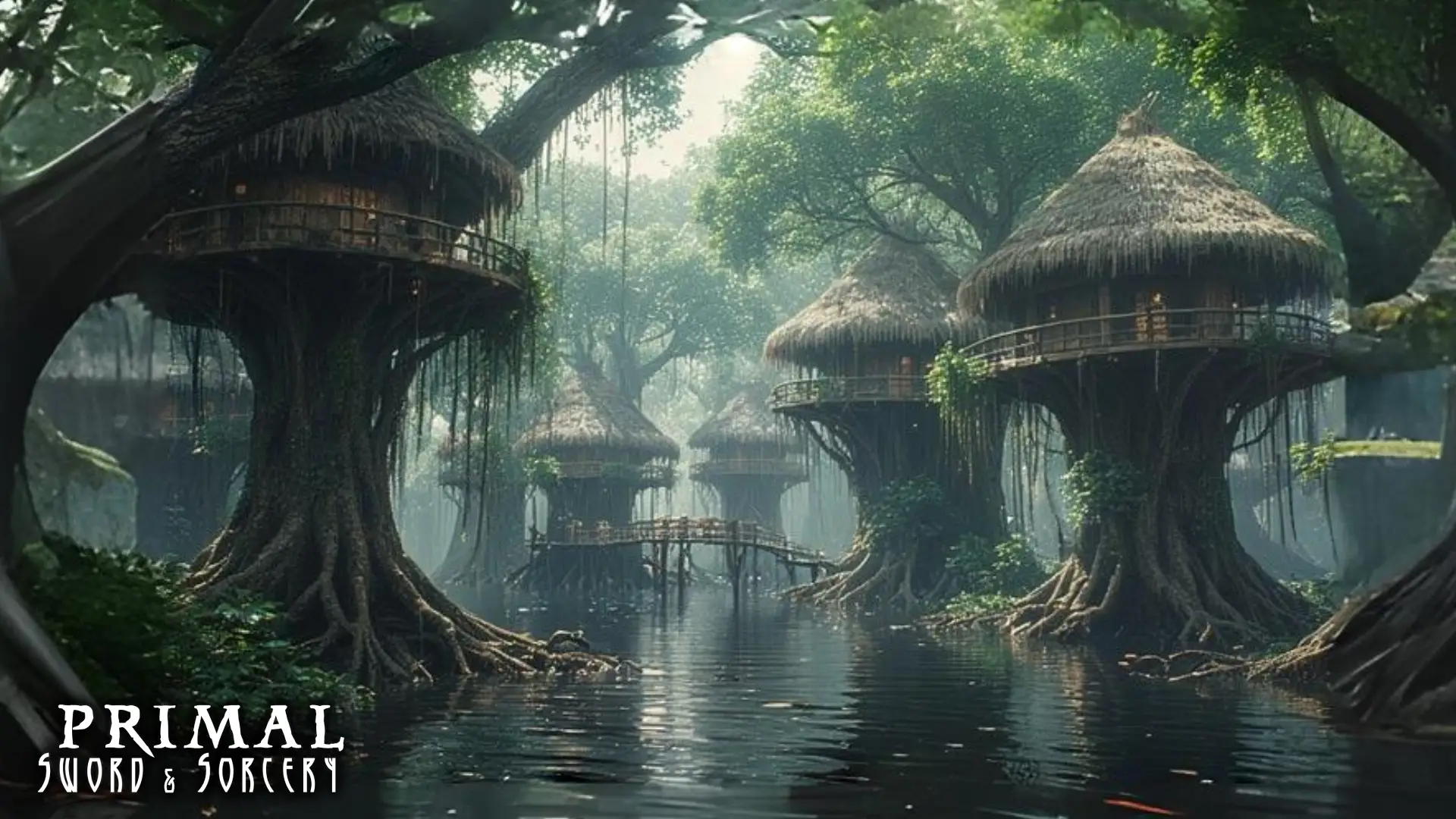
    The floor level—now referred to as “the drowned walks”—is largely abandoned, riddled with rot, sick moss, and biting insects. Locals live in tree rounds, clustered homes of 2–5 individuals per floor, connected by elevated wooden walkways painstakingly crafted by itinerant chameleon laborers.

    Despite its condition, Gunrang has become a strange refuge—for those fleeing the collapsing southern towns, for travelers from the Doglands, and for mutts and mongrels too stubborn to die politely.

    Among the mangrove maze and whispering parrots, it is possible to carve out a quiet, dirty, oddly comfortable life.


    Gunrang lies due east of Vessara and northeast of Yokoruda, acting as a tenuous coast-watcher between the greenbelt of Izhura and the disease-scoured wilderness of Varduun. Its placement on the northern lip of the Varduun Swamps makes it one of the last populated zones before the true Hyenalands begin.

    • While it is not formally a border outpost, Gunrang performs the function of one—if reluctantly
    • There are no fortifications here. Only walkways and lookout stumps.
    • Most travelers from Izhura avoid the Gunrang route entirely,
    • No major clans claim dominion over Gunrang.
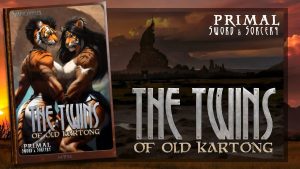
  • Old Kartong – The Untamed City

    Old Kartong – The Untamed City

    Location

    Old Kartong rises in the central wastelands of Zhuru, east of the Yorozhian Hell Desert and south of the Crater Sea. Its position at the throat of caravan routes makes it impossible to ignore. Merchants, raiders, smugglers—all who cross the desert or skirt the sea must pass near Kartong’s shadow.

    Overview

    On a land that should command trade and dominion, Kartong festers instead. It should be a jewel of commerce: it lies astride the arteries that bind the grasslands of Rakwi, the kingdoms of Izhura, and the savannas of Varduun. Yet Kartong is no jewel. It is a scar, a wound that never heals, a ruin forever gnawed by predators who cannot keep it.

    The Tower

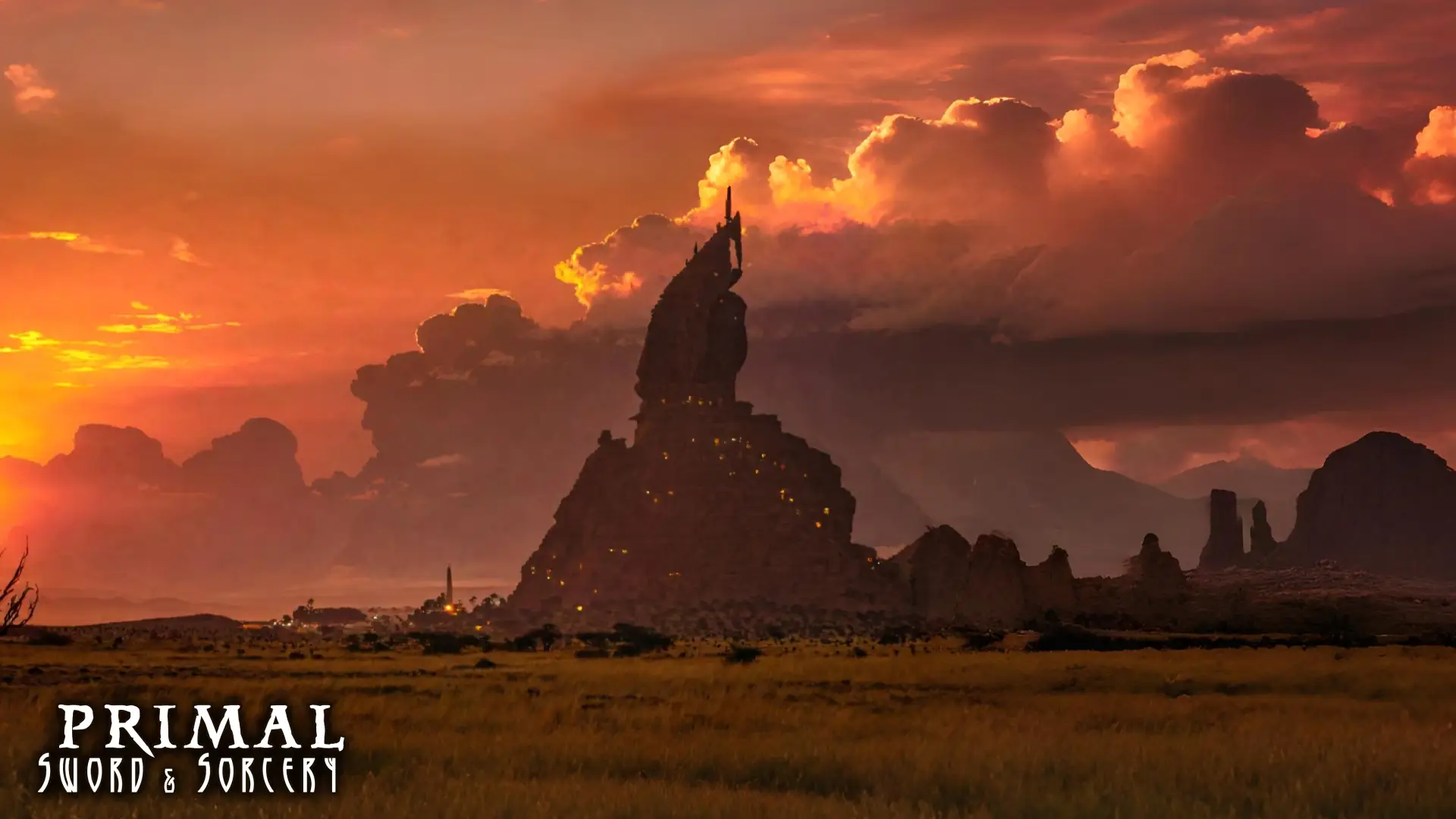
    Kartong does not sprawl—it climbs. The city’s foundations rise out of a black desert outcrop, and above them thrusts the ancient tower: a spiral of stone and steel older than the clans who squabble beneath it. Its angles are strange, its height defiant. No lion, no hyena, no gazelle remembers who raised it. The tower predates their chronicles. Some whisper of an elder folk drowned by cataclysm, others of god-folk who bled stone into the desert.

    Whatever its origin, it remains—an accursed spire sneering across the horizon, a beacon no caravan can ignore. When the desert ends and grass begins, it is the first sight, black against the sun, commanding the throat of the land. Even those who skirt it bow their heads, unwilling to meet its gaze.


    A History of Ruin

    Every folk has tried to hold Kartong. All have failed.

    • When the lions held it, the hyenas poisoned its wells until the streets stank of rot.
    • When the hyenas ruled, the lions marched in fury and left its towers burning.
    • When the gazelles dreamed of governing, they were robbed in daylight by hyenas and dragged screaming into lion dens by night.

    So it has gone for generations: conquest, collapse, conquest, collapse. No flag endures. No crown survives. Old Kartong always reverts to its natural state—feral, lawless, ruled only by hunger.

    The Maw

    At the city’s gutted heart sprawls The Maw, Toa Zokuda’s den of debts. Half gambling pit, half brothel, half execution-ground, the Maw is Kartong in miniature. Here stolen princesses are chained for sport, debts are collected in flesh, and cruelty itself is currency. What the desert sun does by day—burn, wither, strip bare—the Maw does by night.

    The Law of Old Kartong

    There is no king, no clan, no crown. The city is ruled by those who can hold a den for a night, a street for a week, a quarter for a season. Debt is its only law. Cruelty its only justice.

    Reputation

    Old Kartong is spoken of in whispers, half warning, half dare. Rogues praise its wealth: caravans always pass near, smugglers always dock. but no one leaves clean. Mercenaries grow rich there, then die there. Predators thrive because prey walks in willingly, thinking to cheat the cycle, but Kartong devours them all in the end.


    RELATED

  • Kartonga as an Outland Nation

    Kartonga as an Outland Nation

    Kartonga, in its entirety, is spoken of across Vandyrus not as a realm among realms, but as a condition—an expanse where structure thins, law dissolves, and survival itself becomes the only recognized authority.

    Thus the term “Outland,” when applied within its borders, loses the clarity it possesses elsewhere.

    A city in Kartonga cannot truly be said to stand outside the bounds of civilization, for it was never fully within them to begin with. Even its most fortified settlements—Old Kartong among them—exist as temporary assertions against a surrounding truth that is older, broader, and ultimately indifferent to walls or crowns.

    What passes for a “city” in this region is often no more than a concentration of will: stone or timber gathered long enough to resist the wastes, trade routes held by violence rather than charter, markets that operate under shifting allegiances of thieves, warbands, and opportunists. Beyond those walls, the distinction collapses entirely.

    Shanties, tents, and ruin-fields sprawl outward in every direction, indistinguishable from the broader desolation except by the density of bodies and the immediacy of danger.

    To an outsider, these outer belts might seem the true Outland, yet to the folk of Kartonga, they are simply the next ring of habitation—no less legitimate than the city cores, merely less defended. In this way, Kartonga renders the classification meaningless: there is no frontier to cross, no boundary that marks the fall from order into chaos.

    The entire region is already that fall, stabilized only in pockets, never reversed. What remains contested, even within surviving records, is whether Kartonga was always such a place or whether it is the long echo of something broken beyond repair, its so-called cities being not foundations, but scars that refuse to close.

  • Tymere – The Gilded Mire

    Tymere – The Gilded Mire

    Tymere stands as a land that mistakes endurance for stability. It was never broken as Vulsa was, nor cursed as Roedon became—its wounds were not cataclysmic, but septic. The earthquakes still come, rattling the ground with a kind of weary persistence, but they no longer shape the land as much as they remind its people that the gods once cared enough to strike it. The true rot lies not beneath the soil, but within its courts and coin houses. Tymere has been rich for too long without ever learning how to be wise. It is a nation of inheritance without understanding, of empires that have forgotten the weight of conquest, content to measure their worth in gold rather than glory.

    On the surface, it gleams, a realm of silken trade routes, perfumed courts, and narrow marble streets that lead to terraces overlooking endless green. It boasts wealth, art, and armories of fine steel, but this splendor is false light glinting off stagnant water. The money moves in circles, enriching the same dozen houses that own the land, the roads, and the very right to move between them. A traveler is taxed for breathing the air too long in one duchy, fined for crossing into another without the proper sigil. Corruption is no longer a crime—it is the bloodstream of the realm.


    The northern lands of Tymere are breathtaking, if one can see them through the mists. Towering forests, steep mountains with ribbons of mist flowing through their ravines, and rivers that gleam like molten silver beneath the sun.

    These are lands where the air still feels holy, where the soil hums faintly with old magic. Villages cling to the roots of cliffs, and shepherds speak of spirits in the rain that whisper of better times. But this beauty is cut by fear—the law ends where the road fades, and the road always fades sooner than one expects.


    The cities are another matter entirely: decadent, cruel, and self-absorbed. Great stone citadels overlook sprawling slums, and within their walls, courtiers trade assassination for affection, bribes for titles, flesh for privilege. The noble houses—bloated and interbred—pretend at unity when a foreign ambassador visits, but tear at one another’s throats the moment his ship leaves the harbor. They plot endlessly—against each other, against Vulsa, even against their own kin.


    Tymere’s hatred of Vulsa is old and bitter. To the Tumerians, the wolves of the north represent everything they fear: discipline, faith, and strength unbent by gold. They will never admit it, but they dread Vulsa’s shadow. They see in the wolves what they once were, before decadence set in, before their borders became lines of taxation instead of defense.

    Beyond the gilded cities lie the rural stretches—villages of wood and mud, more loyal to their local strongmen than to any crown. Farmers till poisoned soil near the southern edges, where volcanic breath still seeps from the wounds of the earth. The skies there are copper-red, and the nights smell of sulfur. These southern coasts bear eerie resemblance to the ruined continents beyond the sea—Drael’s broken sisterlands, where glassy plains of ash still shimmer from ages-old fire.

    In Tymere’s heart, however, the people still live as if nothing is wrong. They feast, they fuck, they bribe, they sing. They build statues of themselves and call it civilization. Yet the dogs of war gather on their borders—Vulsan scouts in the mountains, Roedan raiders watching the trade roads, even the mercenaries within their own cities waiting for a chance to carve out kingdoms of their own. Tymere stands not as a dying empire, but as a drunk one—laughing, staggering, unaware of the cliff’s edge behind its laughter.