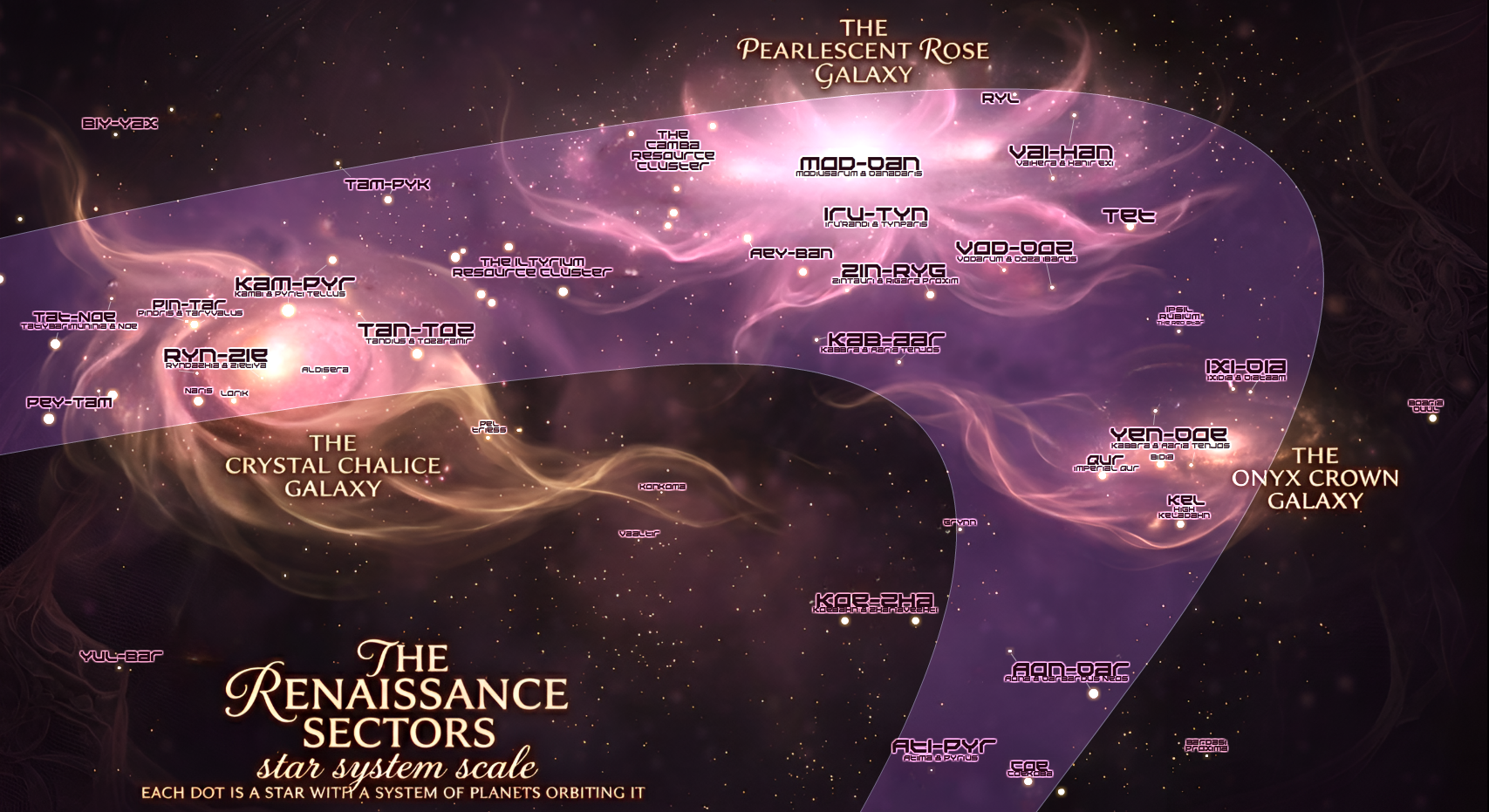
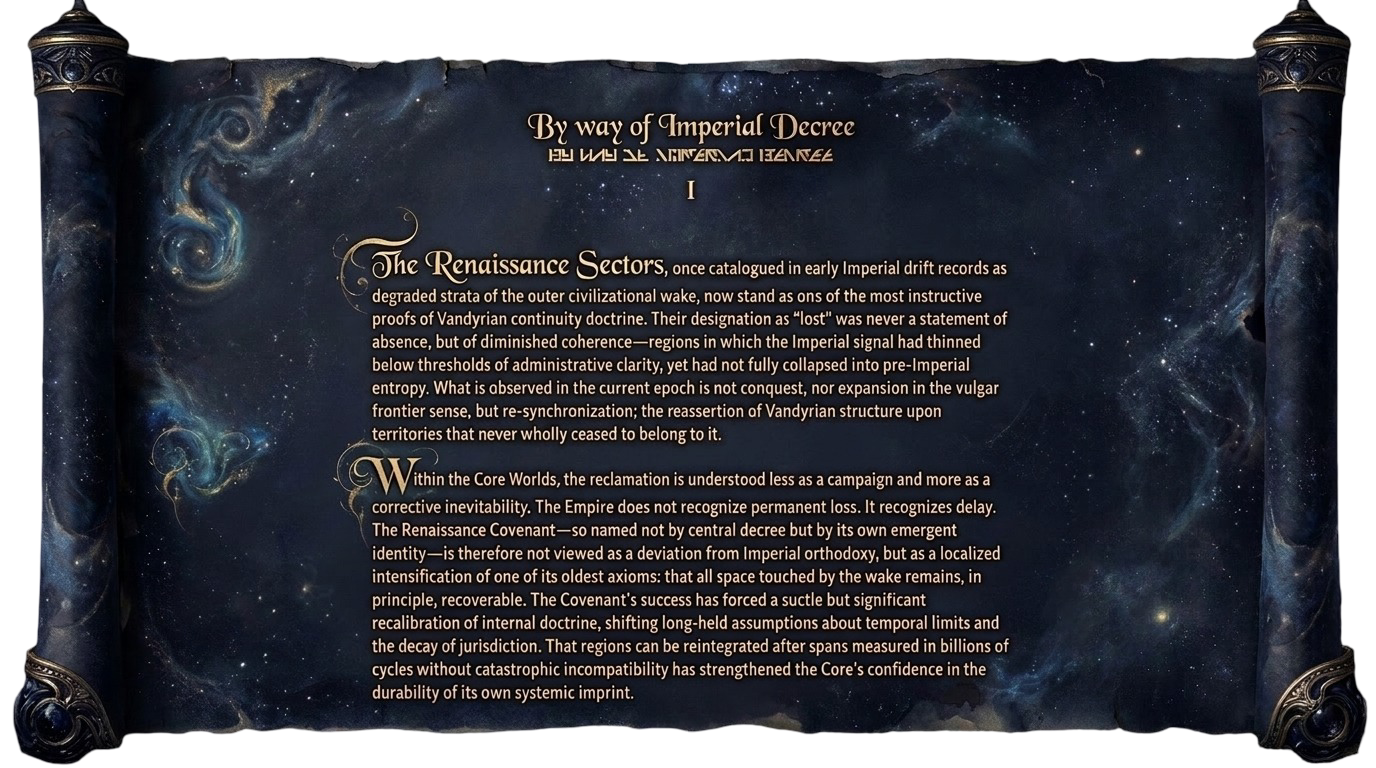
The Renaissance Sectors have acquired a reputation within contemporary travel culture that extends well beyond the romance traditionally associated with distant territory. They are neither an untouched frontier nor a collection of relics waiting to be rediscovered, but inhabited, prosperous, complicated societies whose appeal comes from the fact that they continued developing throughout their long separation and now meet the wider Empire on their own accumulated terms.
Their hotels, universities, ports, markets, beaches, museums, estates, entertainment districts, wilderness reserves, restaurants, commercial exchanges, and historic cities belong to living cultures rather than reconstructed antiquity, and visitors are as likely to encounter something newly fashionable as something impossibly old.
The great pleasure of traveling through the Renaissance Sectors is therefore not the sensation of leaving civilization behind, but discovering just how many forms civilization has taken beyond the familiar horizons of the Core. For an Imperial traveler accustomed to believing the galaxy already well catalogued, few destinations offer a stronger reminder of how much remains to be seen.
Travel within the Renaissance Sectors has consequently developed around exploration rather than any single celebrated circuit. The major transit corridors provide access to an expanding network of established destinations, while regional connections lead outward toward smaller systems whose reputations may rest upon a particular university, market, coastline, festival, architectural tradition, ecological preserve, or local industry. Luxury travel is abundant, particularly around the wealthier Covenant worlds, but it represents only one part of a much broader visitor culture encompassing historical tourism, academic exchange, wilderness expeditions, commercial travel, culinary routes, archaeological excursions, pilgrimage, entertainment, and the simple pleasure of seeing worlds that remained names on old Imperial charts for ages beyond ordinary comprehension. The Renaissance Sectors reward the traveler willing to remain longer than a single port call, for neighboring worlds can differ dramatically even where their populations share ancient historical connections. One may cross from cosmopolitan financial centers into landscapes where settlement remains sparse, from intensely cultivated pleasure districts into preserved wilderness, or from cities reconstructed according to contemporary Imperial standards into quarters whose street plans preserve the geometry of civilizations otherwise known only through archives.
For travelers arriving from the Core Worlds, much of the attraction lies precisely in this combination of familiarity and difference. Imperial currency, transit standards, commercial protections, navigational conventions, and increasingly extensive public infrastructure make movement through the principal routes comparatively straightforward, yet the worlds encountered along those routes rarely feel interchangeable with their Core counterparts.
Local architectural schools remain prominent, regional languages and dialects are commonly heard alongside established Imperial tongues, and customs that disappeared elsewhere billions of cycles ago may survive beside technologies and institutions thoroughly adapted to the present age.
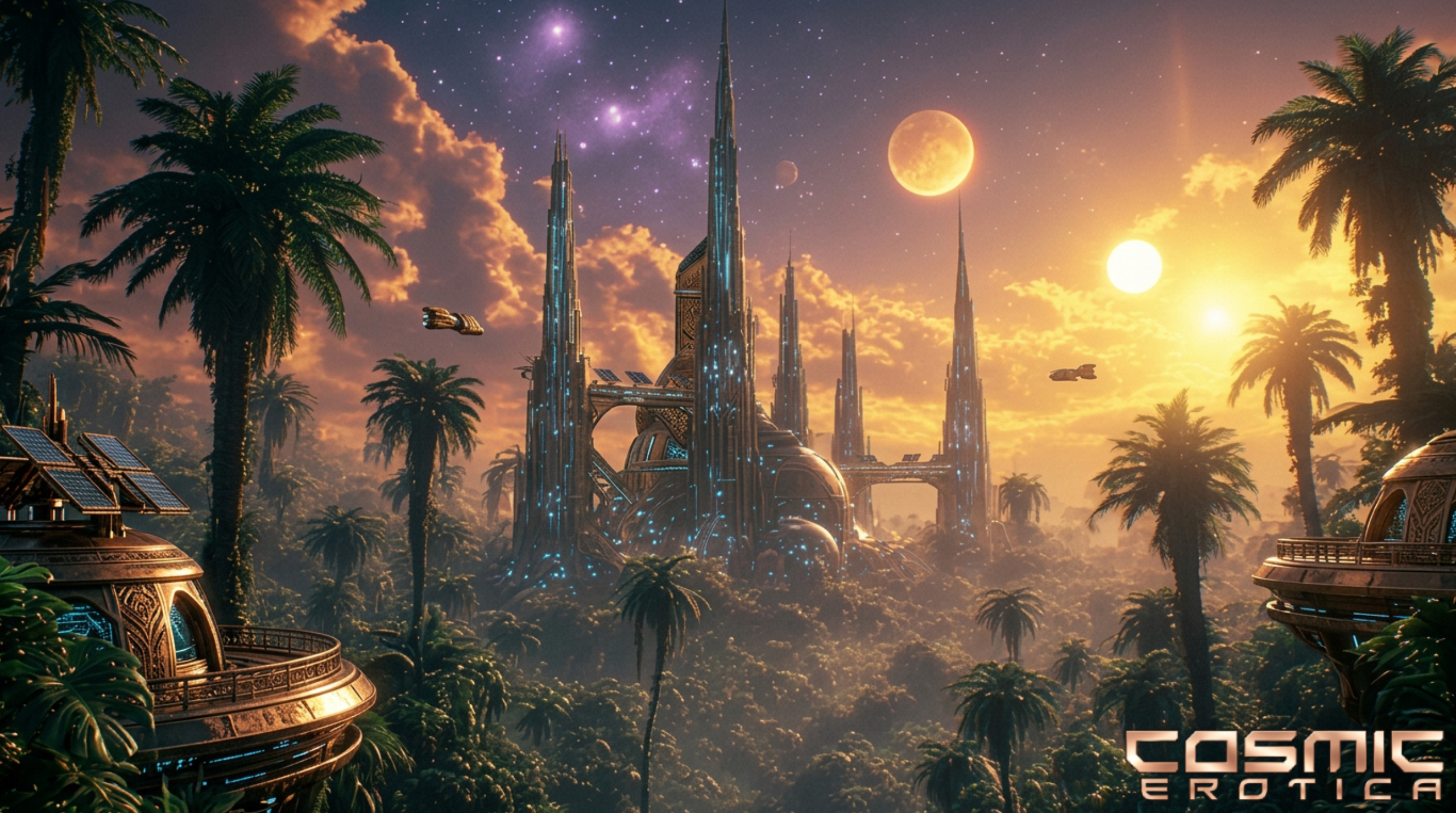
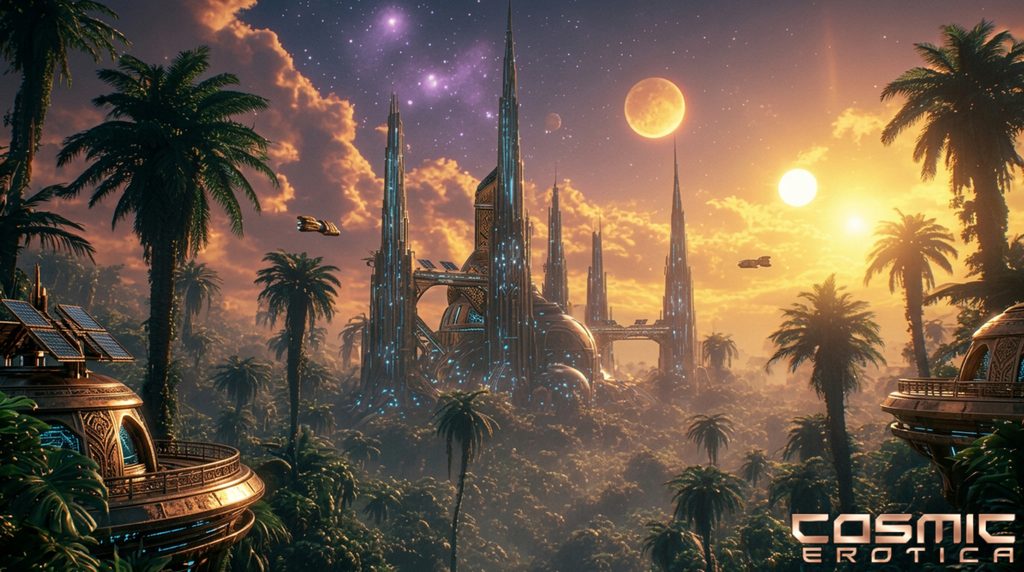
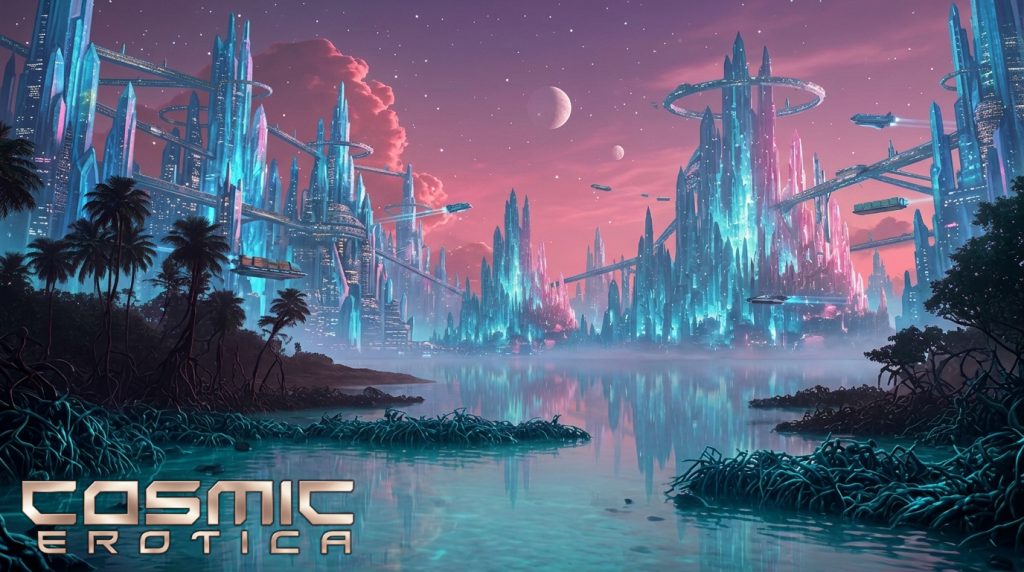
Visitors accustomed to the great metropolitan worlds of the interior frequently find the scale equally impressive but the character markedly different: financial districts rising from tropical wetlands, ancient academic institutions dispersed across mist-covered landscapes, immense forest settlements built around lakes and continental wilderness, and commercial cities in which imported Imperial fashions share streets with traditions whose histories developed almost entirely beyond direct Core influence.
Even where the infrastructure is unmistakably modern, the cultural landscape remains intensely local, and many destinations have deliberately preserved that distinction rather than allowing renewed contact to erase it.
Beyond the familiar brilliance of the Core Worlds lies one of the great destinations of the modern Imperial age: the Renaissance Sectors, an immense region of recovered worlds, old civilizations, independent traditions, and newly reopened routes whose diversity has made them increasingly popular with travelers from throughout the Greater Vandyrian Empire.
To visit the Renaissance Sectors is not simply to travel outward from the Core, but to enter a part of Imperial civilization shaped by extraordinary distances and long periods of separation, where cultures descended from the same ancient civilizational inheritance have developed distinctive customs, architecture, cuisines, fashions, industries, festivals, and social traditions of their own.
Some worlds possess cities whose foundations predate surviving local records; others have undergone spectacular periods of reconstruction within comparatively recent history. Great commercial capitals stand within transit distance of university worlds, pleasure systems, agricultural provinces, forest planets, industrial territories, resort enclaves, and settlements whose populations still maintain customs largely unknown beyond their immediate region.
The result is not a single recognizable “Renaissance culture,” but a vast mosaic of societies connected by the increasingly busy corridors of the Renaissance Covenant and by their renewed participation in the larger Imperial World.
The Jackalands of Yorozh stand as the final, unforgiving graveyard of a nation damned by its own history. The sliver of north Yorozh that now bears this name is not a realm, not a refuge, not a homeland—it is a strip of salt-blown, radioactive hell where every living thing is an enemy and every promise of survival is a lie. This is the end of the line for the jackals of Jantara, the exiles who could not outrun the consequences of their own past. Nothing grows here. The soil is poison, the rare scrub blasted to dust by winds that peel flesh from bone. Any who attempt to scavenge find only rot, bones, or the skulls of those who tried before them.
This land offers no forage, no seed, no shelter—only a thin crust of hope that breaks beneath the feet. The jackals who remain soon learn that more things live here that will eat them than there is for them to eat. Those strong enough to draw a weapon are soon noticed and captured; the slavers from Nyakava and the fringes of Kartonga make sport of these desperate, ragged jackals. The young and strong vanish into chains or are worked to death as labor or spectacle across the southern coasts. The weak, the slow, and the sick are devoured by the true kings of Yorozh—the horse-sized scorpions, ancient predators with venom that paralyzes as it digests. To sleep here is to risk being dragged away beneath the sand by a lizard that will eat its prey alive, over the course of days.
Even the skies are cruel. Prehistoric condors, feral and cold-eyed, haunt the thermals. They swoop with unnatural silence, snatching infants from screaming mothers, carrying off wounded or dying jackals to be torn apart among the stones. No shelter is safe, for even the air is an enemy. The land itself is diseased. Lead and uranium leech from the southern borders, burning wounds that never heal and birthing monsters from the ant hills—ants large enough to cripple, sandworms that crawl up through the flesh of the feet to lay eggs inside. Water is never a blessing. All that flows here is acid or poison, each stagnant pool a death sentence. Glassy sand rips away the last shreds of clothing, so that the exiles are forced to wander near-naked, their wounds caked in blood and silica.
Lightning storms lash the land with molten glass, searing flesh and boiling bone. Many have perished thinking the glimmering pools left by a storm might be water—only to find their hands and faces melted to the bone. Even the smallest relief is corrupted. Barrow flies, drawn by wounds and despair, lay their eggs in the eyes of the dying. There is no rest. The ghosts that stalk this land—some jackal, some cervine, both filled with hate—are said to claw at the living, driving them deeper into madness and death. No god, no ancestor, no act of atonement brings peace in the Jackalands of Yorozh.
Escape is a fable: the land is a caldera crater, ringed by glass cliffs, sand, and monsters. The few who still call themselves jackal have no leaders, no caste, no upper kin, and no king. What remains is a shivering, hallucinating rabble—doomed to be picked apart by predators, drowned in sand, or eaten alive by their own madness. The sun rises over the Jackalands only to scorch away memory, pride, and hope, leaving nothing but a lesson that even ghosts are forced to repeat: Some realms deserve to die screaming, and some fates are earned.
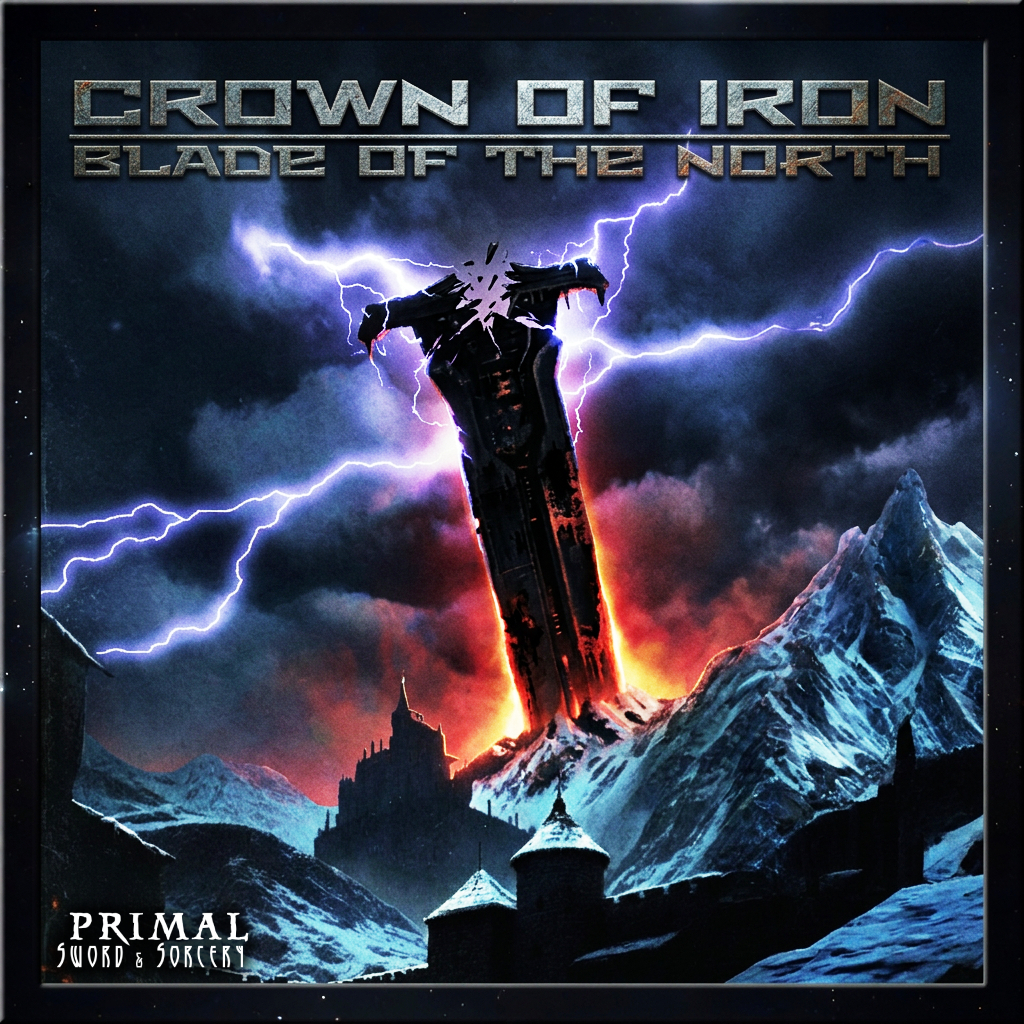
Once Upon These Very Frozen SteppesSacred SteelBeyond the Blade of KingsSavage SwordFangs of the Northern HellEvil EyesStrike at the WitchSword & Sorcery
Bruwa occupies the western reaches of southern Zhuru, a continent divided between fertile northern grasslands, dense bamboo forests, rugged mountain country, and the dry scrublands that descend toward the Crater Straits. Though geographically diverse, the political character of the realm has become increasingly uniform through centuries of foreign domination. What were once numerous independent kingdoms, city-states, and tribal territories now exist largely beneath the administrative and military influence of Gamandor, whose lion and tiger nobility govern the region less as a homeland than as a strategic possession.
In practical terms, Bruwa functions as little more than a vast vassal proxy through which Gamandor projects its ambitions across western Zhuru. Its ports supply fleets, its cities collect tribute, its roads move armies, and its countryside provides labor, livestock, raw materials, and recruits for campaigns fought far beyond its own borders. Native rulers who remain generally do so only through accommodation with the occupying authorities, while those unwilling to cooperate have either been displaced into the mountains and forests or reduced to scattered resistance movements surviving beyond the reach of permanent occupation.
The north contains the principal administrative centers of Gamandorian authority, including the capital of Itija and the great tiger-controlled harbor of Xung’Ta, while the isolated temple country of Toguma continues to harbor one of the last organized resistance movements capable of meaningfully disrupting imperial logistics.
Farther south, Ruzantia has become the principal maritime gateway through which wealth, tribute, and plunder are exported from occupied Bruwa back toward Gamandor. The ports of Rim’Bwa and Xung’Ta together form the backbone of this occupation, linking northern administration with southern military commerce across the breadth of the subcontinent. Despite the apparent permanence of foreign rule, Bruwa remains far from pacified. Hidden monasteries, mountain strongholds, forest settlements, and scattered native kingdoms continue to contest Gamandorian authority wherever opportunity presents itself, favoring sabotage, raids, and disruption over direct confrontation.
The occupation therefore exists in a state of perpetual maintenance, sustained by superior logistics and coastal control rather than genuine loyalty. For much of Bruwa, foreign banners may fly above the cities, yet beyond their walls the struggle for the continent has never truly ended.
The northern reaches of Titara differ markedly from the occupied southern scrublands, the landscape gradually yielding to broad grasslands and extensive bamboo forests whose dense stands have long resisted both cultivation and conquest. These northern territories possess greater rainfall and richer soils than much of central Bruwa, yet the terrain itself has proven difficult for occupying armies to dominate completely. Vast bamboo thickets restrict movement, conceal entire settlements from distant observation, and provide natural defensive barriers that favor local knowledge over numerical superiority. It is here that Gamandor established its principal administrative centers upon the subcontinent, governing through fortified cities and coastal ports while large portions of the countryside continue to resist meaningful occupation beyond the range of regular patrols.
Ruzantia occupies the southern reaches of the continent of Bruwa, where dry weathered mountain country descends toward the Crater Straits. Though less densely settled than the northern kingdoms, it remains among the most strategically valuable regions upon the continent, for whoever commands its southern ports commands much of the maritime passage between Bruwa and the fractured western shores of Zhuru. The land itself is neither especially fertile nor especially wealthy, but its harbors, caravan roads, and coastal anchorages have ensured that every great power seeking dominion over Bruwa has eventually cast its gaze toward these shores. The greatest transformation in Ruzantia’s recent history came not through native conquest but foreign occupation. Once governed principally by gazelle kingdoms whose city-states prospered through regional trade, grazing, and maritime commerce, much of southern Ruzantia eventually fell beneath the domination of a coalition of lion and tiger warlords acting in service to the western imperial interests of Gamandor.
Rule of Bruwa
Rather than administering the territory as an equal province, the occupiers converted the region into a logistical frontier from which soldiers, wealth, livestock, captives, and plunder could be gathered before being exported across the sea. The native gazelle polities were displaced, absorbed, or reduced to tributary status beneath governors whose authority derived not from the land itself but from distant patrons seeking to project force across Bruwa and into Zhuru. Among these occupied cities, none better illustrates this transformation than Rim’Bwa. Once a prosperous gazelle city-state upon the southern coast, it now serves principally as a military harbor and export port under lion and tiger administration. Its docks bustle less with peaceful commerce than with the loading of tribute, seized goods, military stores, and the accumulated spoils of campaigns fought elsewhere upon the continent. The city’s value lies not in what it produces itself, but in the efficiency with which wealth extracted from occupied territories may be transported back toward Gamandor, reinforcing the larger machinery of conquest that continues to consume the southern realms.
Across the waters of the Crater Straits the political landscape changes dramatically. To the north stand the territories of the Bantos Union, while beyond the central crossings stretch the blasted lands of Yorozh, whose deserts and ruined settlements form a perpetual barrier between civilizations. Farther south lies Rakwi, a kingdom increasingly isolated by circumstance, lacking either the strength to challenge the expanding lion presence or sufficient opportunity to withdraw from its reach. Beyond these immediate concerns, Pranja appears to observe the changing balance of power with remarkable indifference, neither intervening decisively nor presenting itself as an immediate counterweight to Gamandorian ambitions. This uneasy geography leaves Ruzantia suspended between competing spheres of influence, its ports becoming indispensable precisely because so many surrounding powers remain either unwilling or unable to contest them directly. Relations between the occupying powers and neighboring elephant kingdoms have proven considerably less accommodating than those enjoyed within conquered territory.
One diplomatic mission dispatched by the lions demanding tribute from the elephant realms achieved lasting notoriety throughout Bruwa. The envoy was returned alive, seated upright upon his horse, yet his head had been broken and twisted completely backward. His rings and earrings had been removed before his departure, a gesture understood not as robbery but as deliberate symbolism. No written declaration accompanied the body. None was required. The message delivered to the lesser lion princes was unmistakable: demands would receive no negotiation, only contempt answered in flesh. Since that exchange, further diplomatic overtures toward those kingdoms have proceeded with markedly greater caution, and the incident continues to circulate among soldiers and merchants alike as a reminder that not every neighboring realm regards Gamandorian authority with either fear or obligation.
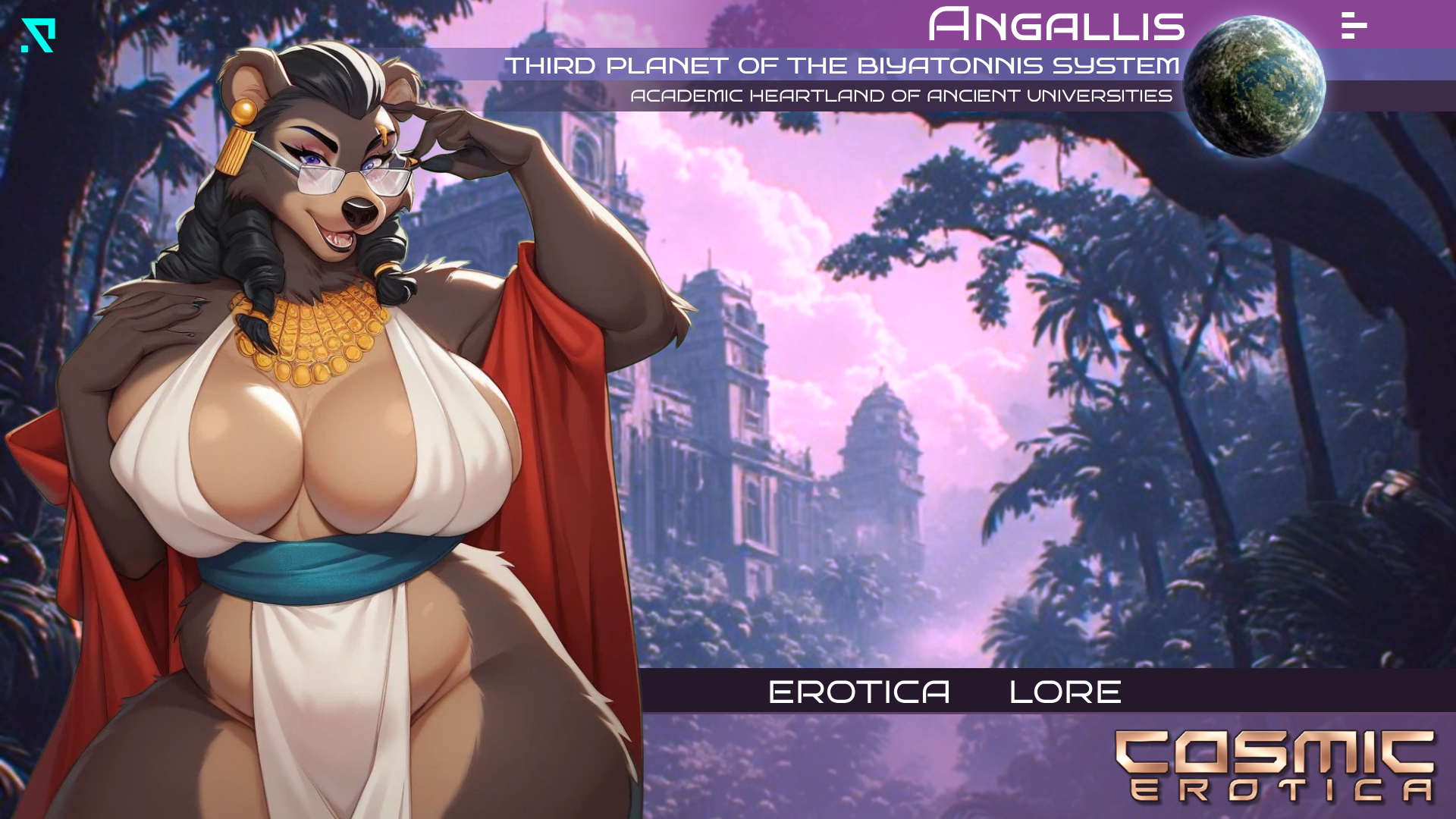
Angallis has long been regarded throughout the Greater Vandyrian Empire as one of civilization’s great institutional heartlands, its prestige resting upon accumulated scholarship rather than industrial output, commercial dominance, or direct political authority. Balmy, humid, and extensively jungled, the planet supports cities deliberately planned around universities, archives, laboratories, observatories, museums, research institutes, and great open academic precincts, giving even its major population centers the character of enormous campuses rather than conventional metropolitan concentrations.
Its population contains an extraordinary proportion of scholars, researchers, academics, administrators, and specialist personnel whose institutions frequently possess histories extending across immense spans of Imperial civilization.







 Unlock with Patreon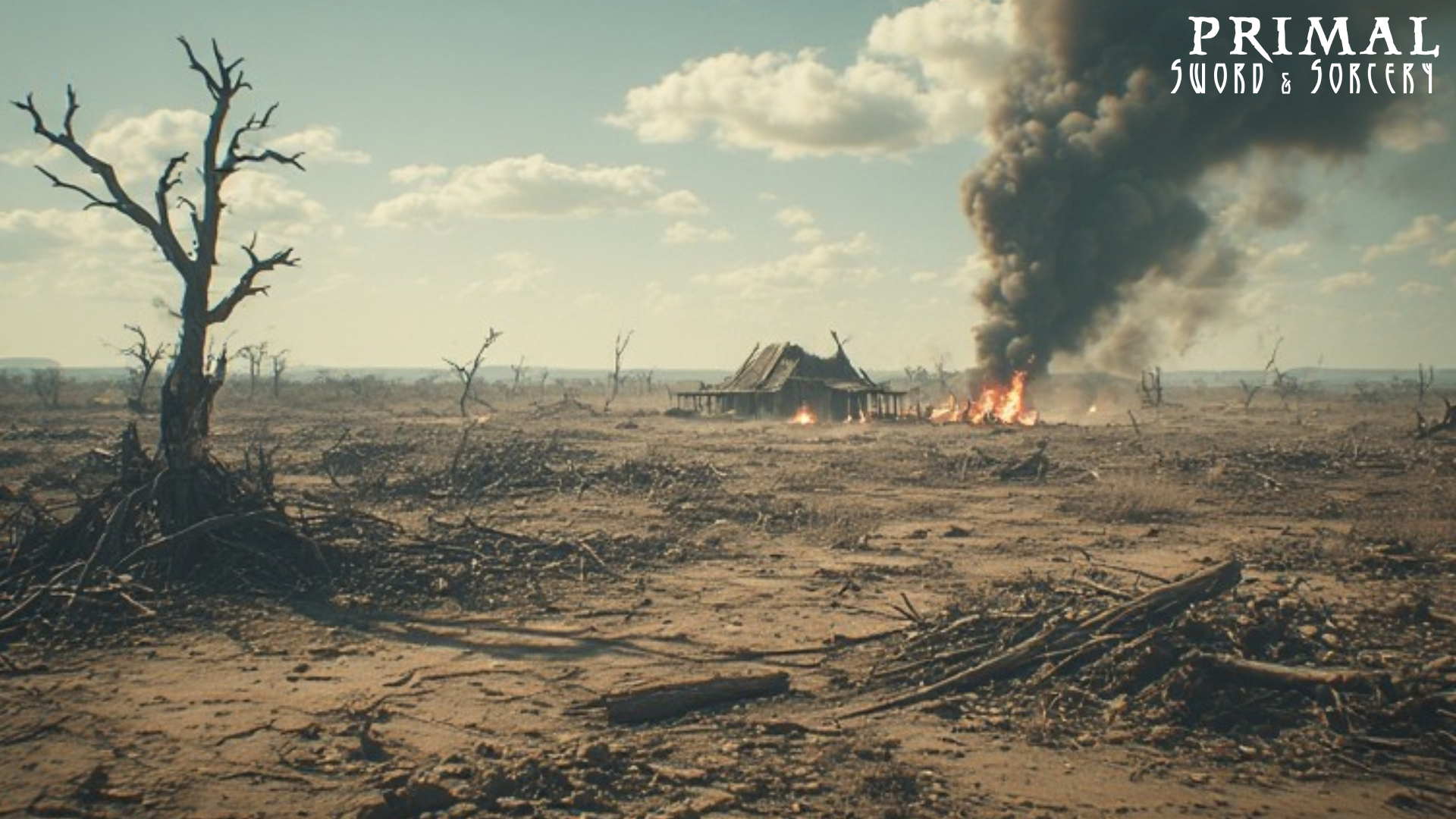
![VANDYRIAN STEEL [ALBUM]](https://www.primalswordandsorcery.com/wp-content/uploads/2026/07/VANDYRIAN-STEEL-ALBUM-scaled.jpg)