

IX. Peripheral Powers
IX. Peripheral Powers
Rethka, Shride, Titanum, and Opportunistic Harvest
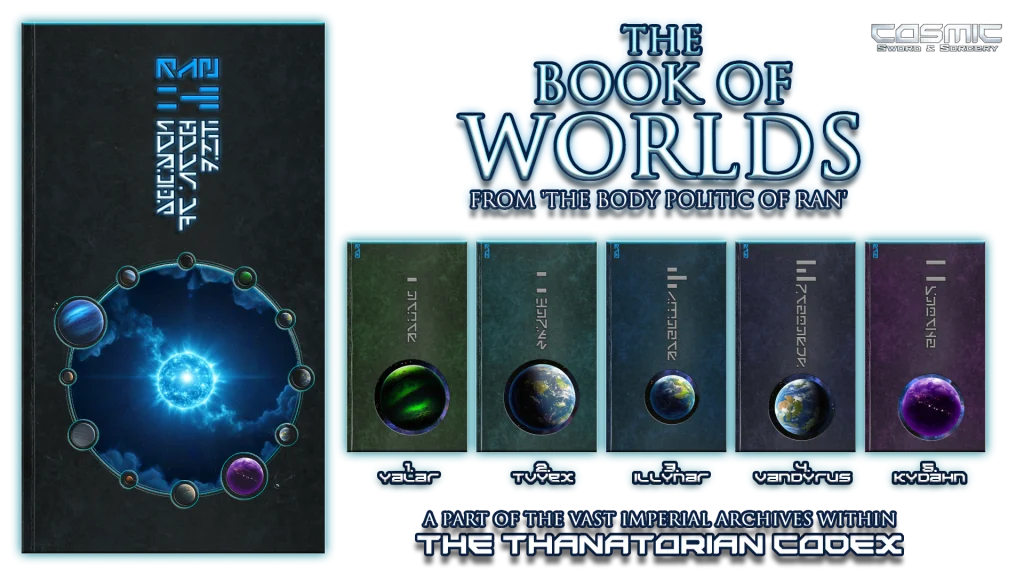
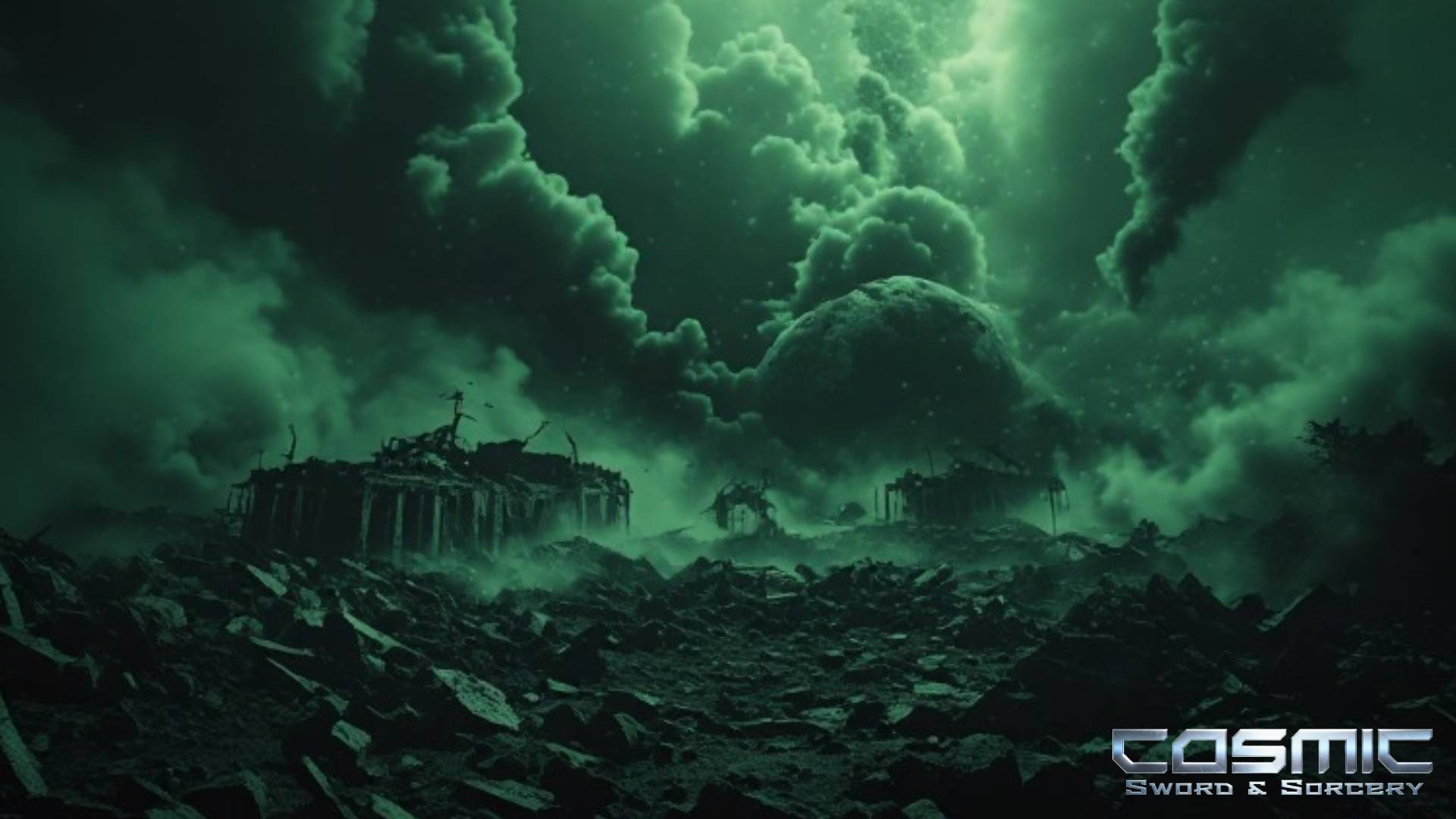
Yalar is not merely a battlefield or penal sink; it is a resource field. The poison that renders its sky unbreathable and its soil corrosive is not waste—it is commodity. The atmosphere, dense with unstable compounds and weaponized particulates, is periodically harvested by autonomous extraction platforms originating from Titanum’s outer strata. These platforms descend without warning, deploy atmospheric siphons and surface skimmers, and withdraw within tightly calculated windows before surface combatants can meaningfully interfere. To those fighting below, the arrival of harvest rigs is neither salvation nor escalation. It is simply another indifferent process unfolding overhead.
The extracted toxins are not inert. They are refined. Within Titanum’s black lattice manufactories and the industrial shadows of vice-stations, Yalar’s atmospheric compounds are stabilized, concentrated, and repurposed. Some are weaponized directly—compressed into aerosol munitions capable of stripping breathable environments elsewhere, dissolving filtration systems, or destabilizing biospheres at the cellular level. These weapons are valued not for spectacle but for precision degradation. Yalar’s sky, once processed, becomes a scalpel against worlds that believe themselves secure behind dome and shield.
Criminal syndicates have found even more perverse applications. Micro-diluted variants of Yalar toxin are integrated into illicit neurochemical enhancers and sensory interface drugs. In controlled doses, the compounds induce heightened tactile response, accelerated neural crossfire, and cellular overstimulation that borders on euphoric agony.
Marketed through underground pleasure circuits, these substances are sold as extreme experiences—“air of the damned,” “Shridian haze,” “Yalar breath.”
The long-term effects are catastrophic: tissue decay, neural scarring, progressive organ instability.
Demand persists.