


VIII. The Yalarian Wars
VIII. The Yalarian Wars
Four Millennia of Managed Stalemate
The current strain of the Yalarian Wars—if such a term can even capture the continuity of violence and futility that defines this front—has endured for over four millennia, its rhythm unbroken by any true reprieve. What began as a contest between Thanator and Kydahn for the resource margins of a hostile world devolved almost immediately into a system-wide morass, drawing in not only imperial battle groups but the expendable and the desperate from every periphery of the Ran system.
Penal legions from Vandyrus were among the first to be thrown into the breach, their sentences measured not in years but in successful reactor salvages or kilometers of toxic pipeline held against rival crews. Pranja, itself no stranger to resource hunger or internecine struggle, dispatched conscript detachments—more often as a means of internal discipline than of actual hope for profit. Rethka’s fractious successor states, having failed in their earliest bids for supply dominance, fell back on the one export they could always afford: bodies willing to fight and die for a share of spoils that never arrived. Even Farydahn and Kalba, lesser players by any planetary metric, sent in detachments and corporate militias, their banners lost amid the permanent haze, their losses uncounted except as another column in the system’s endless tally of the wasted.
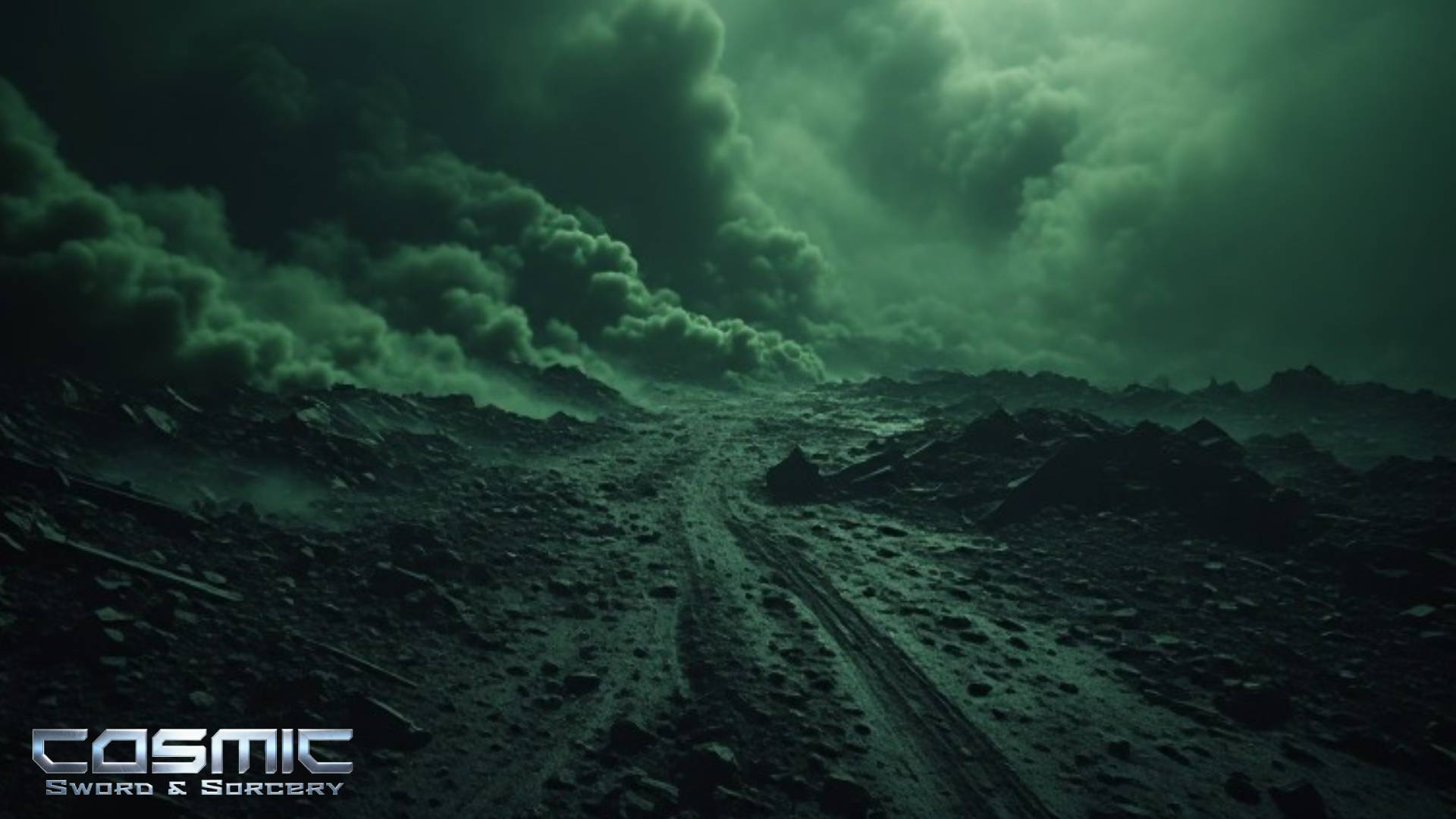
For four thousand years and more, these wars have dragged on—not as campaigns with objectives or end states, but as an unbroken condition of existence. Alliances shift, garrisons are wiped out or replaced, outposts are built, sabotaged, abandoned, and reclaimed in cycles so regular they barely register as events. The planet itself is unchanged by the blood and ambition poured across its surface: lightning still claws at black-green clouds, the gas harvesters still grind and spark, and the only monument to centuries of conflict is the deepening layer of wreckage beneath the rigs.
There is no romance here, no cause for which any force fights with the hope of genuine transformation. Each new wave of soldiers, penal workers, and mercenaries arrives convinced—by imperial propaganda, by desperation, or by the myth of an easy score—that they will be the ones to tip the balance. Each generation leaves behind only more dead, more twisted metal, and a deepening cynicism in the imperial record.
Today, the struggle remains as it always has been: Thanator and Kydahn contending for dominance not because victory is possible, but because neither can afford to relinquish even the illusion of control; the other powers, their own fortunes waning or desperate, consigning fresh legions to a world that remembers nothing and yields nothing in return.