


Convict Throughput and Disposable Personnel
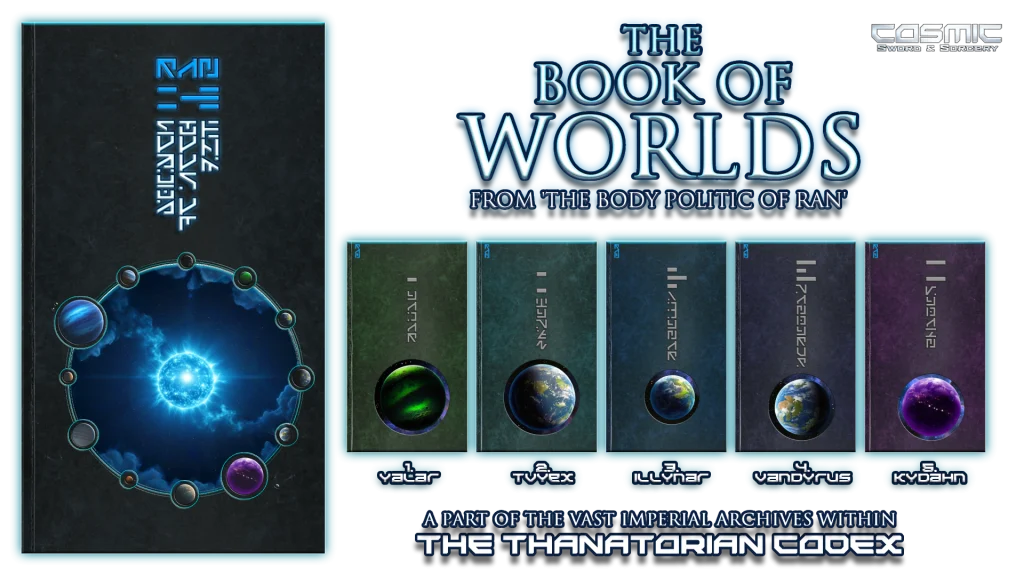
Yalar, in this schema, stands apart from the familiar horror of the slow death: it is the logic of churn, not the logic of rot. Yalar’s utility to the imperial order was neither subtle nor ambiguous.
In the calculus of the Administrates, it served as the empire’s most direct instrument for the liquidation of undesirables—a planetary mechanism for penal disposal rather than penal containment. Where Kalba, and in later ages, Rethka, functioned as open-air prisons or sites of indefinite exile, Yalar was never designed to be a place of lingering punishment or protracted suffering. Its surface, brutalized by climate and industry, was organized as a consumptive process: convicts, political dissidents, and other disposable populations were not warehoused for future negotiation but processed—stripped of utility, subjected to extractive labor or terminal assignment, and fed into the machinery of empire with little thought for their survival.
No lineage of convicts arose here, no tradition of prisoner society or culture; the turnover was too swift, the environment too lethal, the regime too pitiless to permit anything resembling continuity. Sentences were measured in productivity or in metric tons extracted, not in years survived. Those dispatched to Yalar rarely left an account of their experience, and the planet itself became the silent ledger of imperial waste—each cycle of dispossession erased by the arrival of the next, each rebellion extinguished by attrition and the indifference of administrators who viewed penal throughput as a matter of routine logistics.
Here, the only monument to those sent below the clouds is the relentless progress of imperial extraction, ore processed, atmospheres bled, quotas met. The fate of the convict is not to endure, but to vanish, swallowed by a planetary system engineered not for redemption, nor for memory, but for the efficient annihilation of the inconvenient.