

Imperial Governance Comparison
& Historical Conditioning
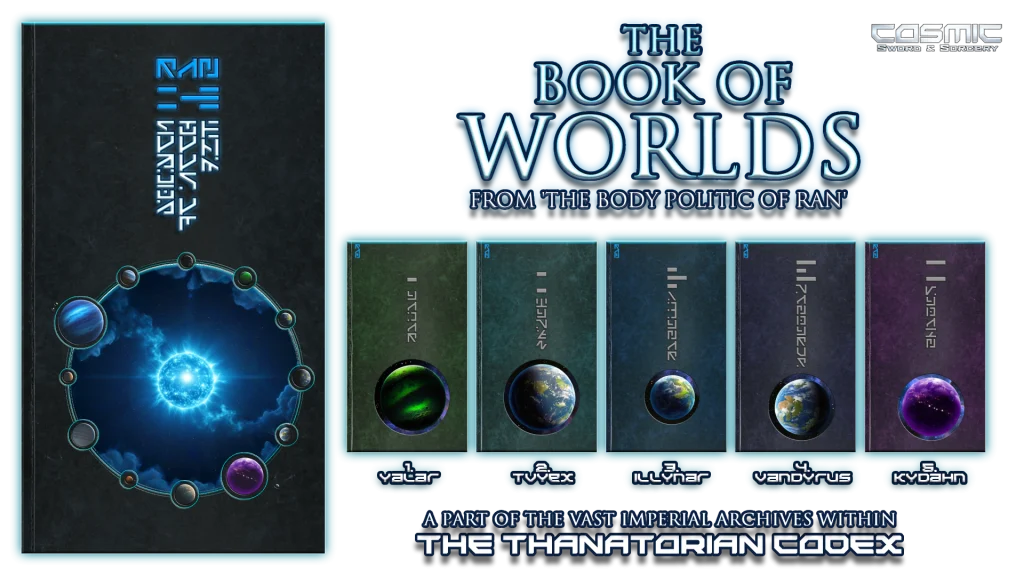
Tyvex’s exceptional obedience within the imperial order, despite its low status in the civilizational hierarchy, is best understood through the long shadow cast by its past. The Vandyrian Empire, for all its vastness and occasional absence, was, by Tyvexian standards, a model of restraint and equanimity. Direct intervention from the imperial center was rare, and when it came, it was measured—always a balancing of priorities, always mindful of distance and relative importance. This was a governance style that, far from breeding resentment, was almost a relief to a world accustomed to harsher hands. For Tyvex, subordination to Vandyrian rule was not humiliation, but a reprieve: an arrangement that allowed the clans, tribes, and city-states to pursue their own lives with minimal interference, provided they honored the essential tokens of loyalty. This comparative docility was not the product of servility, but of hard-earned experience.
Tyvex had once been yoked beneath the Shridian Empire—a power infamous for its brutality, violent purges, and a deeply ingrained specism that turned every “subject” people into a caste of expendables. Under Shridian dominion, Tyvexians learned to survive through submission, adaptation, and a keen sense of timing. But it was always submission enforced by terror: massacres, enforced migration, and cultural erasure were tools of policy, and any hint of dissent was met with overwhelming force.
When the Shridians finally withdrew to their homeworld, broken by their own excesses and external pressures from hostile neighboring systems, the relief across Tyvex was profound. To this battered world, the arrival of Vandyrian administrators—calm, articulate, and far more interested in compliance than domination—seemed nothing short of liberation. Tyvex responded to this new order with calculated enthusiasm. The planetary leaders, from frog elders to jackal syndics, moved swiftly to ingratiate themselves with the imperial bureaucracy, offering logistical support, specialized labor, and the quiet loyalty that could only come from a people who had seen the alternative.
The obedience of Tyvex was not cringing but strategic: the Vandyrians, for all their power, were absentee landlords, often too distant or distracted to micromanage the world’s internal affairs. In this space, Tyvex flourished, becoming quietly indispensable to the imperial machine while avoiding the attention that brought ruin to more recalcitrant worlds. The irony—keenly felt among Tyvex’s more ambitious clans—was that the planet’s survival skills and unassuming posture would, in time, position it as a forward base for imperial campaigns against the very Shridian overlords who had once subjugated them. Tyvex and Vandyrus, both underestimated and off the empire’s main stage, would become the hidden hammers poised to strike at the heart of their former tormentors—a final act of revenge, delivered with the patience of a world that knew the value of biding its time.