Category: From the Ornithane Halls

  • The Archives of Panultimir

    The Archives of Panultimir

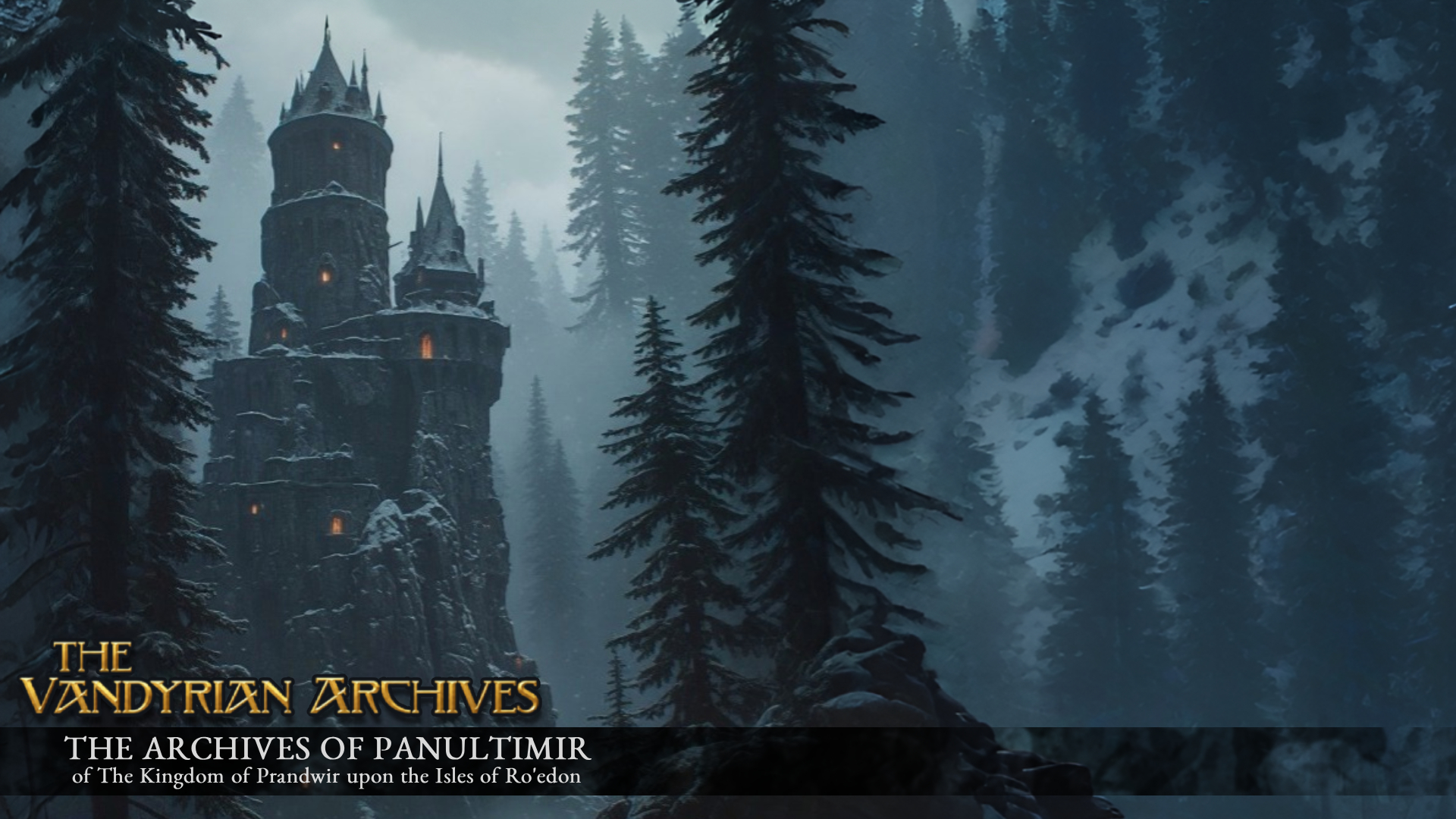
    Among the many repositories of knowledge maintained throughout the northern realms, few possess a reputation equal to that of the Archives of Panultimir. Situated within the upland mountains of the Kingdom of Prandwir upon the Isles of Roedon, the institution occupies a location as unusual as its history. Unlike the larger archival complexes of the southern cities, the Panultimir Archives stand isolated among high ridges, ancient forests, and winding mountain roads that become increasingly difficult to traverse during the winter months. Visitors frequently remark upon the remoteness of the site, though this isolation has proven one of the principal reasons for its survival.
    The origins of the structure remain the subject of ongoing debate. Archaeological examination suggests that portions of the foundation substantially predate the modern kingdom itself. Most scholars believe the central tower around which the archives were later constructed originally served as a military installation of some form.

    Whether this installation functioned as a watchtower, signal station, frontier fortification, or administrative outpost remains uncertain. The surviving foundations are consistent with several possibilities, while the loss of many contemporary records has prevented a definitive conclusion. What appears beyond dispute is that the site occupied a position of strategic significance during the final centuries preceding the Coming of Doom.


    The destruction of the ancient world altered the northern landscape profoundly. Entire regions vanished. Trade routes disappeared. Settlements were abandoned or destroyed. Yet the upland position of the future archives spared it from much of the devastation that afflicted lower territories. While the surrounding civilization collapsed, the mountain stronghold endured. Damaged but standing, isolated but accessible, the structure remained among the few surviving installations capable of supporting long-term occupation during the difficult centuries that followed.
    As northern society gradually recovered, the site acquired a new purpose. The practical advantages that had once recommended it as a military position now recommended it equally for preservation. Its elevation offered protection from flooding. Its remoteness discouraged looting. Its stone construction provided unusual durability.

    Most importantly, it stood upon stable ground at a time when much of the surviving population remained preoccupied with the immediate demands of survival. The earliest custodians of the collection recognized these advantages and began transferring surviving records recovered from the surrounding regions into the complex. Over subsequent centuries the institution expanded repeatedly. Additional wings were constructed. Storage vaults were excavated into the surrounding stone. Cataloguing chambers, reading halls, preservation facilities, and secure repositories gradually transformed the old stronghold into one of the most important historical collections in the north.
    Although modest in size compared to the vast archival complexes maintained elsewhere within the Kingdom of Prandwir, the Panultimir Archives acquired a distinct reputation owing to the unusual character of their holdings. Many collections preserve copies. The Panultimir Archives preserve originals.

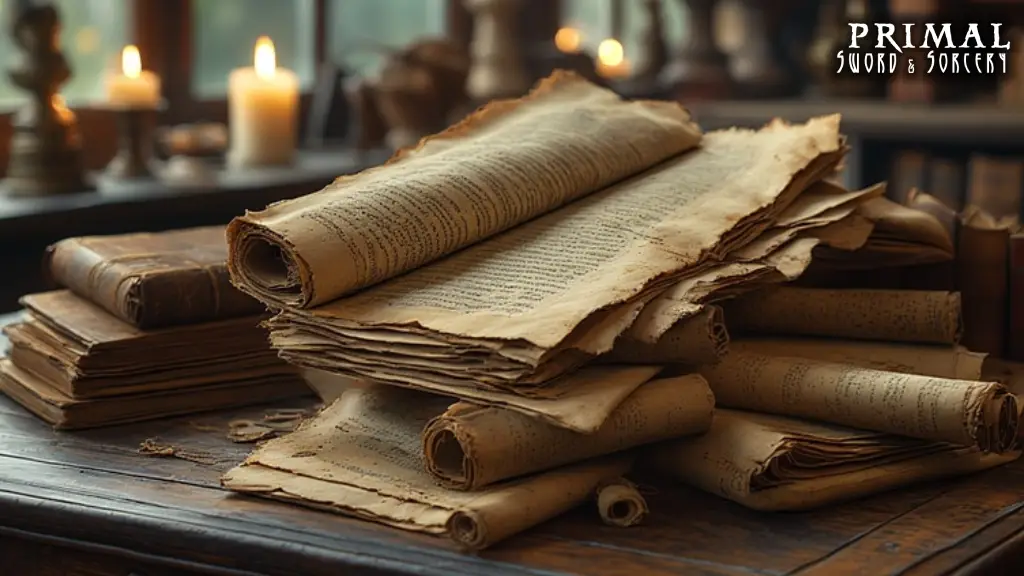
    The institution houses surviving charters, census records, correspondence collections, trade accounts, administrative ledgers, maps, legal documents, military records, and countless other materials associated with the ancient northern territories. In numerous cases these documents represent the earliest surviving versions known to scholars. Entire fields of northern historical research depend heavily upon collections preserved within the archives.
    Without them, substantial portions of Roedon’s pre-cataclysmic and early post-cataclysmic history would remain poorly understood.


    The archives also serve as a physical reminder of continuity across the ages. More than seven thousand two hundred years have passed since the Coming of Doom. Kingdoms have risen and fallen. Dynasties have appeared and vanished. Borders have shifted repeatedly. Yet the old mountain stronghold remains occupied. Though altered extensively by generations of archivists, builders, scholars, and custodians, portions of the original structure continue to form the heart of the complex. Visitors entering the oldest halls frequently pass through stonework whose origins may extend to the final centuries of the ancient world itself.

    Today the Archives of Panultimir function as both historical repository and scholarly institution. Researchers from throughout the northern realms travel to the site in pursuit of records unavailable elsewhere. Historians, genealogists, linguists, archaeologists, and chroniclers regularly consult its collections. While its remote location continues to present logistical challenges, many archivists regard the isolation as a small price to pay for seven millennia of uninterrupted preservation. Whether viewed as a library, a fortress, a monument, or a relic of another age, the Archives of Panultimir remain among the most enduring institutions of post-cataclysmic Roedon. Their survival stands as a testament not merely to the durability of stone, but to the determination of successive generations who understood that civilizations endure only so long as their memory does.
    from The Panultimir Archives

  • NEW SERIES: “…From the Ornithane Hall”

    NEW SERIES: “…From the Ornithane Hall”


    These are The Chronicles that anchor a world.

    Each volume, whether written by calloused hand or ink-stained scholar, serves as a stone laid in the long road from myth to memory. Here, the passing of empires is recorded without flourish; the migrations, conflicts, bargains, and betrayals of peoples inscribed in forms meant to endure, not seduce. These books are not the domain of poets, nor the refuge of folk legend. They are a reckoning—plainspoken, methodical, and relentlessly grounded in what endures after rumor fades.

    is proud to present:

    The Histories and Accounts,
    Myths and Legends,
    Chronicles and logs
    of long lost misty tales in the oral,
    elder crystalline
    and high psychic tradition, All…..

    An Ongoing series of Radial Lore:


    HISTORIES & ACCOUNTS

    From the ancient Librarium archives of the realms:
    • THE HISTORIES OF ROEDON


    LEGENDS & LORE

    From the Vaults of The Ornithane Halls


    COMING SOON

    • THE CYPTIS/ARCODICES
    • BLACK BOOKS OF THE ORNITHANE HALL
    • THE BESTIARY OF DREAD THANATOR
    • RELICS
    • MAPS
    • ALCHEMIES
    • MYSTERIES
    • TALES

    &
    • TERRORS


    RELATED

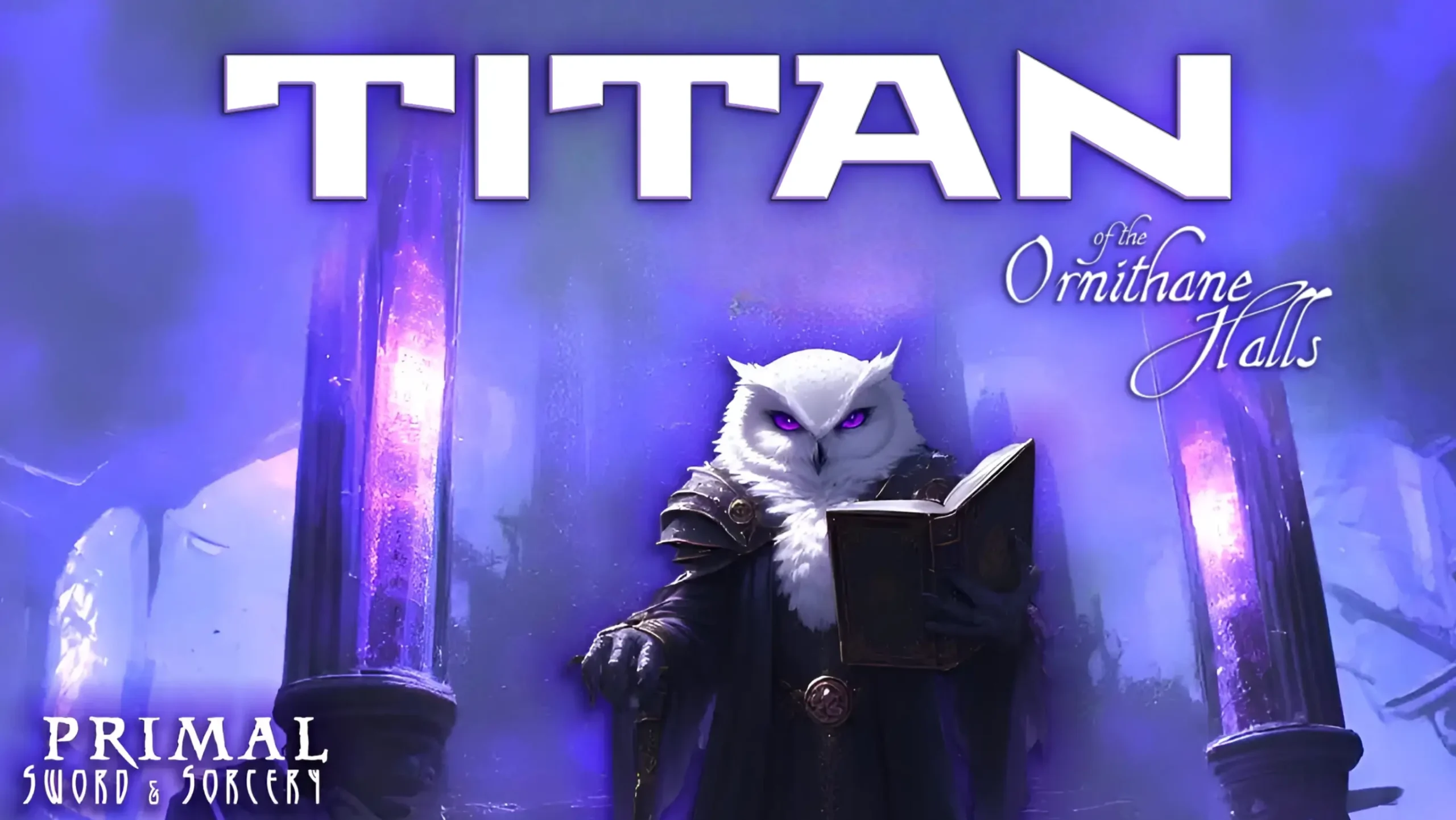
  • Titan of the Ornithane Halls

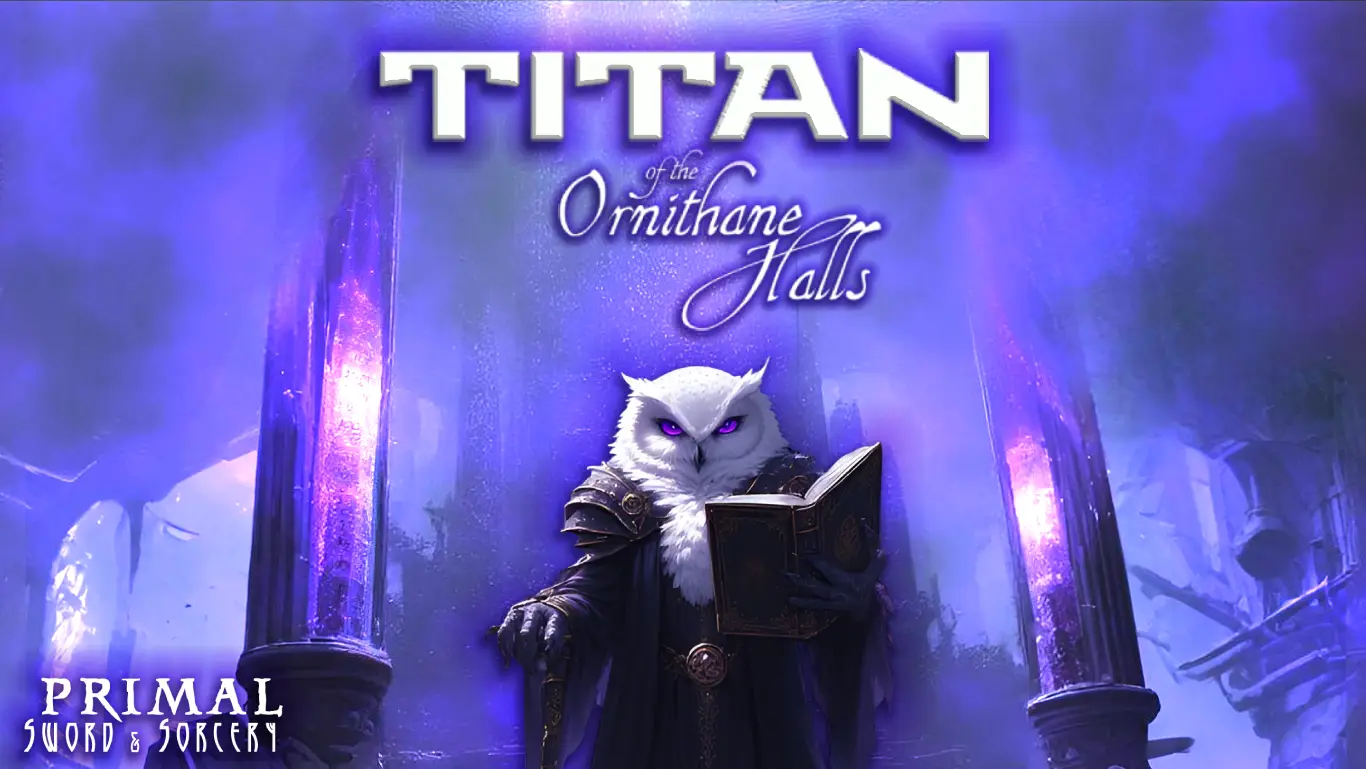
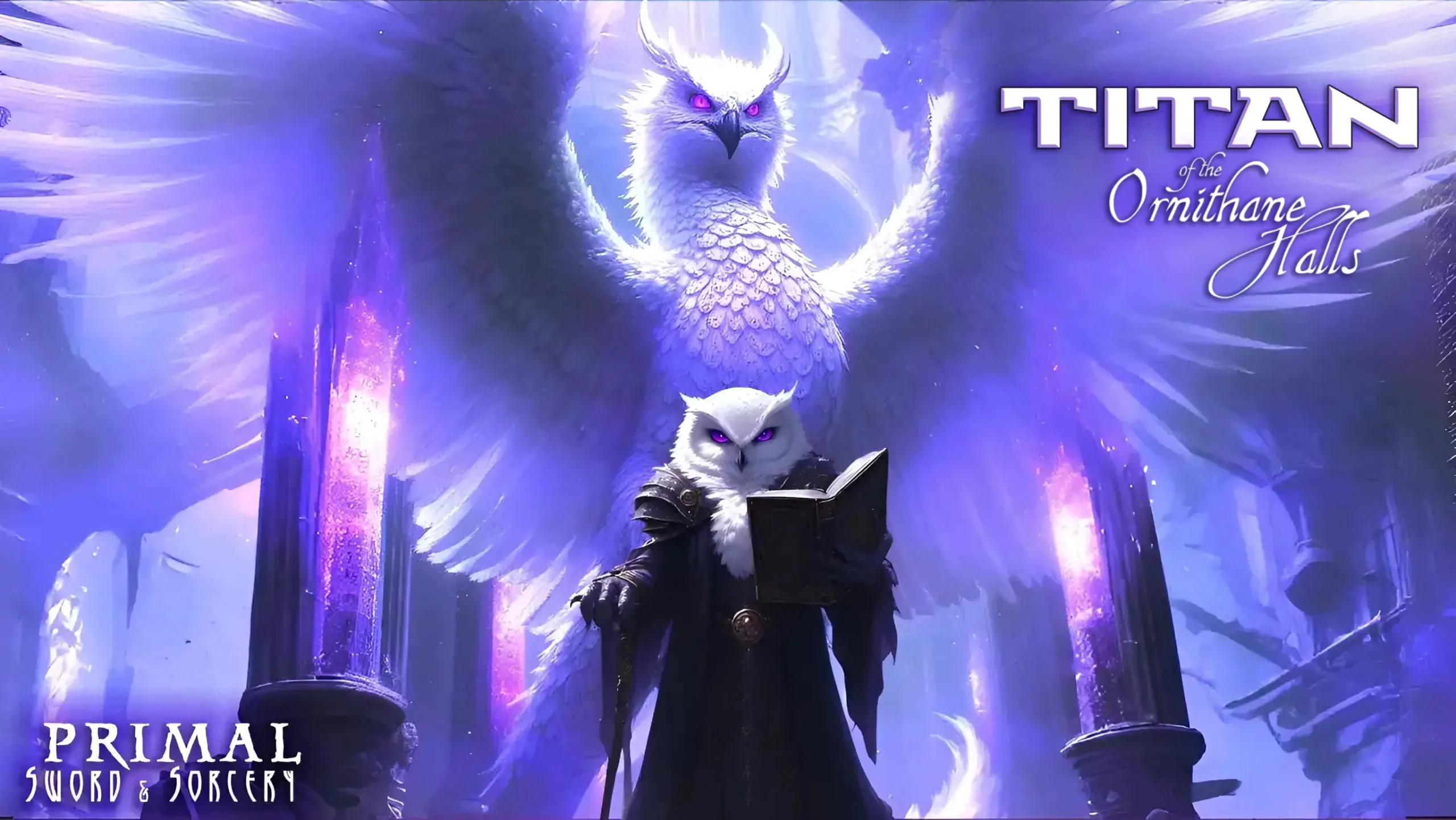
    Titan of the Ornithane Halls

    The crest of the Vulsan highlands gave way to the ice-wraithing peaks of razor white and endless brutal cold, through which a snow leopard girl ran barefoot through the frozen hellscape of northern Vulsa. Though born to the cold, she had never known it like this. The wind flayed her skin raw. Ice bit her pads until blood streaked the stone behind her. Her arms were crossed tight over her bared breast , not from modesty but to shield what little warmth remained.

    Behind her came laughter.

    Rats. Hounds. Masked raccoon handlers. Chains clinked. Knives rang. They had chased her through the night, chained her, broken her, and worse. Now they ran her for sport, calling out between laughs, savoring the way she stumbled and slipped.

    She ran until her lungs burned and her legs shook, until the land itself seemed to end.

    At the crown of a peak she stopped, stunned, sobbing, and saw it.

    A great tower of shimmering crystal stood there, impossibly tall, its facets catching moonlight like frozen fire. At its base, before doors larger than a temple gate, stood an old owl. He tottered. He muttered. He fumbled with a ring of keys, squinting as though locked out of his own home.

    She had nowhere else to go.

    She staggered to him, trembling, violated, desperate, and fell to her knees.
    “Sanctuary, sir,” she cried. “Please.”

    The old owl cocked his head.
    “Sanctuary?” he said mildly. “Oh no, not here. Far too cluttered, methinks.”

    He did not seem threatened. He did not seem to register her terror at all.

    “They’re coming,” she sobbed. “Slavers. My tribe is gone. I’m alone. They want to—”
    Her voice broke. She could not finish.

    The owl blinked and peered past her, into the snow and empty wind.
    “I see no one.”

    “They’re coming,” she said again, voice cracking. “Please.”

    “Well, if you’re not in need of a book,” he replied, distracted, “I’m afraid I cannot help you with—oh feathers, I’m terribly sorry, what did you say you were looking for in the index?”

    “No,” she cried. “Sanctuary. Please. I beg you.”

    “ ‘No Sanctuary,’ ” the owl murmured thoughtfully. “Hmm. Can’t say I’ve heard of that one. Sounds like a dire yarn.”

    Behind her, laughter carried on the wind.

    The owl leaned closer and whispered, not unkindly,
    “I’m sorry, my dear, but I am only the guardian of this librarium. The sum of all libraries and the Librarium entire. If you have need of a book, there are countless others inside who can help you.”

    She finally understood.

    She turned, and now she could see them—shapes moving fast over the ice, teeth flashing, voices raised.

    “Oh,” she said softly. “I wouldn’t trouble you… for anything but a recommendation.”

    The owl’s face brightened with relief.
    “Ah,” he said. “Why didn’t you say so?”

    The massive doors opened without him touching them, wider than mercy should allow.

    “Top floor,” he said. “Ask for Beatryx of Whondor, the all-seeing—if she hasn’t spotted you already.”
    He wrapped his scarf around her shoulders, covering her shaking body, and ushered her inside as the scoundrels closed in.

    She walked inside, looking back as the doors framed the pack of slavers closing in on the little owl steward, obliviously still chattering away with that knowing smile. He winked at her.
    “Oh,” he added pleasantly, “there is tea and cakes, if you desire—”

    “OLD BIRD!” a voice barked. “You’ve got something that belongs to us!”

    The doors slammed shut.

    The owl turned.

    “If you seek a book request,” he said calmly, “you’ll need to speak with old Julius, and I rather doubt he takes orders barked by riffraff.”

    “Fek off, owlette,” sneered a rat, twirling a hooked knife beneath a vulgar scrap of mustache.

    “We saw her go in,” growled the hound. “Now you bring her out, or we start getting violent.”

    “Oh dear,” the owl said, smacking his lips. “I don’t think that will work.”

    “I’m warning you,” the dog snarled. “Fetch the bitch or we kick in that door, nail her to the floor, Rape her what she’s worth, and burn this place to the ground with you muttering inside. Clear enough?”

    The owl smiled.

    “Perfectly.”

    With a sudden, ear-shattering screech—far louder than anything thrice the size of the old owl could make—he erupted in sheer, irrational defiance. The doors burst open—not outward, but inward, dragged by a force like gravity reversed. Shadows lashed out. Five screams became one.

    An ashen white gust pulled them in. The owl himself was drawn back into the shadows of the hall as though they had all been cast into the bellows of some ornate hell meant to confound both helion and heathen alike.

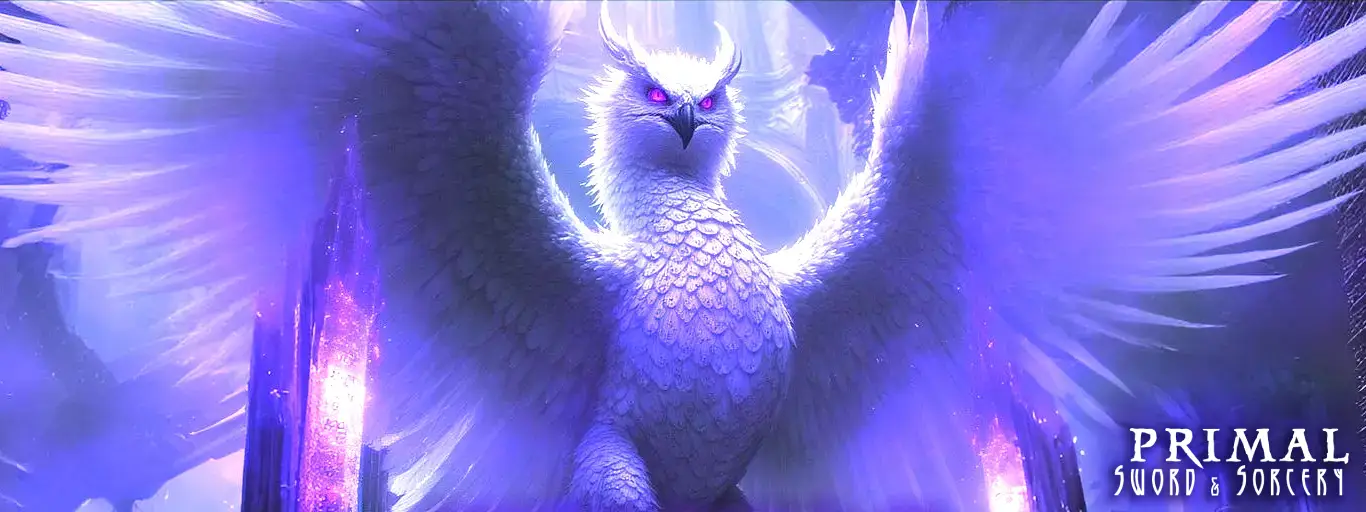
    Then, they saw what had come from somewhere far beyond to join them. In place of the steward now stood a horrible titan of a thing, for where the owl had stood moments before now towered a terror vast enough to dwarf the hall itself: a white dragonbird, horned, feathered, scaled, one eye ruined, the other burning violet with judgment. Its breath pulled the slavers from their feet as if they were dust—a beast known only to pre-cataclysmic lore as a Tytotitanus Voremithadrax.

    A roar shattered the nature of both the situation and reality itself. Where there had been a tottering old owl moments before now stood a terror already towering over them, standing atop the ruin of the largest hound and already swallowing the gurgling half of the other who had been pulled into the massive beast’s mouth when it had breathed them into the shadows of the hall. The rat screamed, and deep inside something snapped and countless ancestors recoiled in terror as the scale of verminous rodent to a beast of an owl matched that all-natural scale of silent predator and moist, shrieking prey.

    His ordeal did not last long; snatched from squealing, the rat was thrown into the air, then caught by the owl-dragon’s massive tongue—snakelike and covered in sharp, writhing, dark red tendrils that hissed with their own hunger—tendrils that sliced, split, silenced, and snapped back into the owl-dragon’s mouth in a second.

    By now, fear had taken the remaining two, but they both tripped on blood. They did not have time to attempt getting back up. A sweep of wings longer than a bridge sliced the boar into four even slabs of armored ham hock, while the wolf—now ended at the knees—shrieked as he was caught in mid-run, his torso crunched and he spat a chest-worth of blood as his head was pulled into the beast’s mouth, eyes darting as his mind raced for solutions that yielded only darkness and digestion most unkind—which I will not trouble you with here.

    From the tower above, the snow leopard girl watched with shaking hands as the doors slammed shut once more.


    Three days later, she left clothed, healed, provisioned, with a map leading her back toward Vulsan civility and far from coastal raiders: and the guardian slept in the loft study beneath a purple fez, tea cooling on a small table beside him.

    The Librarium endured.


  • The History of Roedon

    The History of Roedon

    This is the record kept in stone and ink, not song or sigh. Here is the unvarnished account—lineage, war, migration, and law—presented in the sober manner of those who must remember, not simply believe.

    Compiled from the earliest surviving fragments through the great succession wars of 5747 AC, this history aims for clarity, chronology, and the unromantic burden of fact. It is the Roedani scholar’s answer to legend: a ledger of what can be proved, traced, and disputed by the living, however dim the dawn from which it rises.


    The History of Roedon

    I. The Founding of The Northern Halls

    ••••

    II. The Cull of the Kinslayer

    •••

    III. Reckoning The White Witch

    ••

    IV. The Fearless

    •••••••••••••••••••

    V. The Fall of Valbara

    ••••••

    Vi. Legend of The Cystalkalibur

    ••••••••••••

    VII. A Hall of Myth and Legend

    viii. The little Tymerean War

    ••••••

    IX. Trade Hell from Varduun

    •••

    X. That Cold Northern Attrition

    ••••••

    XI. Beware Bleak Mundaynum


    I. The Founding of The Northern Halls

    After a wager of skill and reason was won against the elder-beards of the Londorai—whether by clever tongues, crooked dice, or the hand of fate itself—there was struck a common and good deal in the wake of a war whose name is lost. History forgets the weak and the petty, and the Londorai remember only victories, yet Roedon sings that the bargain was sealed not by crowns but by laughter, not by oaths but by necessity. Some say it was done together, shoulder to shoulder.

    Others mutter that it was the work of Rowes of Dayne alone, that queer hero of half-remembered tale, who in one telling bested the sky-king Arynn at arm-wrestle, and in another struck him blind and mocked him while the folk of Roedon learned to stand as one. There are songs where Arynn is made drunk on his own thunder, waking certain he had won, while Rowes stayed behind turning meat upon a spit and swearing all was as the sky-king remembered. Roedon prefers both versions and sees no need to choose.

    Thus it was that the silver-frozen halls of Londoraia, with their ermine thrones and star-bright gold, sent their giants south to carve a city from mountain bone, long, long ago—before the hill that would one day crown the heights of Den’Rydan had yet learned its name. These Londorai giants were of kin, tall and boisterous, and they walked the sea itself, wading deep through black water to drag the old rowendyre ships ashore, hauling whole peoples with them from the Eld’Hal, that ancestral north now lost to ice and oath alike.

    Liars and lions will tell you these works are Vandyrian dirt, relics of some dead empire, but they have yet to tilt a true rowendyre without snapping it like kindling. Here stand the northern forts, halls born of ships—wood of the sea set into living stone, not by spellcraft but by hand and law. Blocks taller than any stronghold were torn free and crushed until diamonds lined the great central terrace, the labor of the strongest Londorai males, while the towering wee girls pressed rubies from the same ruinous weight. The oldest halls were dug naked into the mountain, ships slid within them like bones into flesh, and the strongholds locked fast by giant swords driven deep—not as threat, nor as boast, but as covenant.

    For the vow was plain: if Londorai ever returned to make war, it would be against the enemies of the world, and Roedon would stand back to back with them. The giants drank, and the mirth of it shook the rafters of heaven and the highest halls on high. Then horns sounded from the frozen west. In less than nine days they had built what others would call a world, and after the revel they went stone-faced to answer that call. They were never seen again, for into myth they strode, and Roedon remembers them only by what they left standing.

    The females of the Londorai remained. It is said they stayed knowingly, and gave themselves to the males who had fought and lost for them, trusting that their own would one day return the favor. These were no dire giants, but a lesser, equally majestic kind of wolf—still tall, still proud, still enough that their blood runs thick in Roedon to this day, though few will admit it aloud.


    The Bard’s Song


    More Tales To Tell

    More Tales From The History of Roedon & The Ro’Edyne Cycle
    are in the process of being translated, archived, restored and preserved.

    Treat this page as an ongoing serial and check back for updates….


    Explore The Archives of The Vulsan Noble Owls
    An Ongoing Archival Series
    Enter The Realms of Roedon